
0%

Buying Cold Drink Paper Cups Wholesale is not just a matter of finding the lowest price per carton. Cup size, rim fit, coating, print quality, and delivery timing all affect performance once an order reaches a café or event. A cup that looks sturdy online may soften around ice and condensation. Small details matter.

A note on attribution: Alex Morgan is a fictional composite packaging procurement expert, and the following line is an original illustrative quotation, not a verified statement from a real person: “Compare the cup in your hand, not only the price on the spreadsheet.” That is a practical starting point. Request samples, test them with cold drinks, and check whether lids fit securely. Confirm the cup’s stated capacity, dimensions, material, and printing options in writing. Ask suppliers to clarify minimum order quantities, production lead times, carton counts, and freight costs before comparing quotes.

This guide explains how to evaluate suppliers and avoid common purchasing surprises. It also covers questions worth asking before approving a bulk order. For example, will the printed design stay clear across the full production run? Are sample specifications identical to the final order? Get the answer documented. Keep a record of samples and approved artwork, too. Wholesale buying rewards careful checks, though it can still involve trade-offs between price, customization, and delivery speed. There is no perfect cup for every business. The right choice depends on your drink menu, service pace, storage space, and budget.
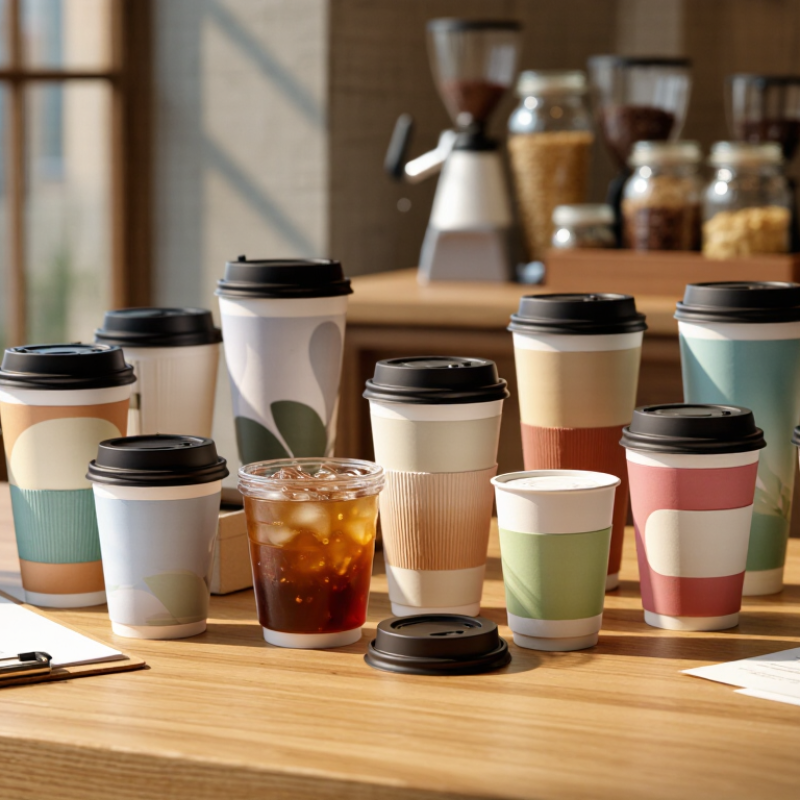
How to Buy Cold Drink Paper Cups Wholesale?

Define Your Cold Drink Cup Requirements

Before requesting a wholesale quote, define the drink, serving size, and service conditions. A 12-ounce iced tea and a 24-ounce smoothie need different capacities, rim diameters, and lid openings. Nominal capacity can be misleading: leave room for ice, foam, and a secure lid. The Grand View Research Paper Cups Market report estimated the global market at US$10.2 billion in 2023. That signals a large category, not a universal cup specification.

Record your target fill volume, cup height, top diameter, and storage limits. Then check how the cup performs with condensation, chilled liquids, and the expected holding time. A cup that feels sturdy when dry may soften when wet. Test it with the actual drink and lid. Small fit differences matter. Ask suppliers for samples and written specifications, including material, coating, and case quantity. I would not finalize dimensions from a catalogue image alone; we have seen fit assumptions need revising after a physical test. If cups will be printed, confirm the printable area and artwork requirements before ordering. Compare sample performance, not just unit price. A slightly cheaper cup can waste space or cause leaks.

Compare Cup Materials, Sizes, and Coating Options

How to Buy Cold Drink Paper Cups Wholesale?

Compare Cup Materials, Sizes, and Coating Options

Cold drinks put different demands on a paper cup than hot drinks do. A heavier paperboard often feels sturdier, especially when customers add ice or carry drinks outdoors. Lighter stock may reduce shipping weight, but it can feel flimsy when filled. Recycled fiber is another option; check the supplier’s specifications rather than assuming every cup performs alike. A small sample test can reveal more than a product photo.

Choose sizes around your actual menu. A 12-ounce cup may suit juice, while iced coffee often needs extra room for ice and a lid. Check rim diameter, cup height, and lid fit together. Coatings matter, too. Polyethylene, water-based, and plant-based coatings can differ in leak resistance and disposal options. Ask for documented material details, and confirm local waste facilities accept the finished cup. The cheapest option can look fine on a spreadsheet, then soften during a busy service. That trade-off deserves a real-world check.

Tips: Fill sample cups with cold drinks and ice, then leave them for 30 minutes. Check for leaks, condensation, and softened seams. Ask about minimum order quantities and storage conditions before buying in bulk. Small details count. A cup that stacks poorly can slow down staff, even if its coating performs well.

How to Buy Cold Drink Paper Cups Wholesale? Compare Cup Materials, Sizes, and Coating Options

Common cold-drink cup sizes are shown by nominal capacity. Milliliter values are conversions from US fluid ounces; actual cup dimensions and available sizes vary by supplier.

When comparing wholesale paper cups, confirm the cup’s capacity, material, and lining or coating with the supplier. Paper cups may use different barrier coatings, and recyclability depends on the coating and local collection facilities. Request food-contact specifications and verify the finished cup is suitable for cold beverages.

Evaluate Wholesale Suppliers and Product Samples

When evaluating wholesale suppliers, ask for specifications before comparing prices. Confirm cup capacity, rim diameter, paper weight, coating type, case quantity, and production lead time in writing. Request food-contact documentation and recent quality records for the exact product you plan to order. A supplier’s general certificate may not cover every cup or coating. Small detail, big difference.

Test samples with the drink and service conditions you expect. Fill cups with cold beverages, add ice, then check for seam leaks, softened walls, lid fit, and condensation after 30 minutes. Stack them as staff would during a busy shift. One sample is not proof; request samples from more than one production batch when possible. The U.S. EPA’s 2018 Advancing Sustainable Materials Management report found that paper and paperboard containers and packaging generated 41.9 million tons of waste, with 68.2 percent recycled. Those figures cover packaging broadly, not paper cups alone, but they make material claims worth checking. Ask suppliers to identify the cup’s actual fiber and coating materials, and verify any recyclability statement against local collection guidance. Price matters. So does consistency. A cheap sample that performs well once can still disappoint across a full shipment.

Check Pricing, Minimum Orders, and Delivery Terms

When comparing wholesale cold-drink paper cups, ask suppliers to quote the same size, paper weight, lining, and case quantity. A low unit price can hide setup fees, printing charges, or expensive freight. Check whether the quote includes samples, pallet packing, taxes, and delivery to your address. Small details matter. Ask for the price at several order volumes; a larger order may lower each cup’s cost but leave you paying for storage and unused stock.

Confirm the minimum order quantity for both plain and custom-printed cups. Custom jobs may require a higher minimum because of printing setup, so request written confirmation before approving artwork. Ask when production begins, how many days production takes, and whether the clock starts after proof approval.

UNCTAD’s Review of Maritime Transport 2024 reports that ships carry over 80% of global trade by volume. For sea freight, request an estimated transit window and clarify who covers delays, customs handling, and final delivery. Not just unit price.

The U.S. EPA’s 2018 materials report recorded a 68.2% recycling rate for paper and paperboard overall, not for cups specifically. Treat that figure as broad context, not a cup claim. Ask suppliers for cup-specific material details and supporting documents. I would compare the landed cost per usable cup, then check a sample for leaks and rim quality. A spreadsheet helps, though delivery estimates can still shift.

Place Your Order and Inspect the Shipment

Before placing a wholesale order for cold drink paper cups, confirm the sample matches your actual use. Fill one with ice and a cold beverage, then check for leaks, softening, and a rim that feels comfortable to drink from. A quick test helps, though it cannot predict every issue across a full production run.

Put the important details in writing: cup capacity, dimensions, paper construction, coating, print colors, quantity, packing method, and expected dispatch date. Ask how cartons will be labeled and whether the supplier can share production or packing photos. Keep an approved sample nearby for comparison. Small differences matter. A cup that looks right on a screen may feel thinner in hand.

When the shipment arrives, inspect several cartons before accepting the full delivery. Check carton condition, count the cups, and compare their size, print, and finish with your approved sample. Look for crushed rims, damp packaging, uneven seams, or cups stuck together. Take clear photos and note the affected carton numbers. If something seems wrong, pause distribution and contact the supplier with the order details. Not every minor mark means the batch is unusable, but repeated defects deserve a careful review. Keep a few cups from the shipment for a final cold-drink test; this step takes time, and it is easy to skip when stock is needed quickly.

How to Buy Cold Drink Paper Cups Wholesale? - Place Your Order and Inspect the Shipment

Stage Specification or Check Example Order Requirement How to Verify
1. Define the order Cup sizes and quantities 12 oz (about 355 mL): 10,000 cups; 16 oz (about 473 mL): 10,000 cups; total: 20,000 cups. Confirm the size, quantity, and unit of measure on the quotation and purchase order.
2. Confirm cup specifications Rim diameter, cup dimensions, and lid fit Specify the required rim diameter and provide an approved sample or drawing. Do not assume cups and lids from different suppliers will fit. Measure samples and test each cup size with the exact lid intended for use.
3. Set material requirements Paperboard and moisture barrier State the agreed paperboard grade and coating type in the order documents. Confirm suitability for the intended cold beverages and applicable food-contact requirements for the destination market. Review the supplier’s material documentation and compare production samples with the approved specification.
4. Approve printing Artwork, colors, and print placement Approve a final proof before production. Specify artwork version, print colors, and any unprinted areas required for labeling or coding. Compare printed cups with the approved proof for design, color consistency, alignment, and visible defects.
5. Agree on packing Sleeve count and carton configuration Example: 50 cups per sleeve and 20 sleeves per carton (1,000 cups per carton); 20 cartons for 20,000 cups, if confirmed with the supplier. Open selected cartons, count sleeves and cups, and check that packaging keeps cups clean and protected.
6. Inspect production samples Shape, seams, rim, and leakage Set inspection criteria and acceptable defect limits in writing before production; check both cup sizes. Check for crushed or misshapen cups, damaged rims, loose seams, visible coating defects, and leakage during a water-fill test.
7. Check shipment records Packing list and shipping details Request a packing list showing cup sizes, carton counts, quantities, and gross and net weights; confirm shipping marks match the order. Compare the documents with the purchase order and count the cartons when the shipment arrives.
8. Inspect on arrival Carton condition and product quantity Record any shortage, water damage, crushed cartons, or visible product defects before accepting the shipment. Photograph affected cartons, retain samples, and report discrepancies promptly with the order and shipping references.

Example quantities and packing configuration are for planning purposes. Confirm final specifications, packing counts, inspection criteria, and destination-market requirements with the supplier before placing the order.

FAQS

How should I choose a cold drink paper cup’s material?

Heavier paperboard may feel sturdier with ice and outdoor use. Lighter stock can reduce shipping weight but may feel flimsy. Test samples.

What cup size works for iced drinks?

Choose based on your menu. A 12-ounce cup may suit juice, while iced coffee often needs extra room for ice and a lid.

Why check the rim diameter and lid fit?

A lid that does not fit securely can slow service or spill. Check rim diameter, cup height, and lid compatibility together.

Which coating should I select?

Polyethylene, water-based, and plant-based coatings can differ in leak resistance and disposal options. Ask for material details. Local facilities may not accept every cup.

How can I test samples before ordering in bulk?

Fill them with cold drinks and ice. Wait 30 minutes, then check leaks, condensation, softened walls, and seams. Small details count.

What should I ask a wholesale supplier to document?

Request capacity, rim diameter, paper weight, coating type, case quantity, and lead time in writing. Ask for food-contact documentation and recent quality records for the exact cup.

Is one successful sample enough to confirm quality?

Not always. Request samples from more than one production batch when possible. Stack them as staff would during a busy shift.

How should I verify a cup’s recycling claims?

Ask which fiber and coating materials it contains. Check the claim against local collection guidance. The EPA’s 2018 report covered packaging broadly, not paper cups alone. I may be overchecking this, but the distinction matters.

Conclusion

Buying Cold Drink Paper Cups Wholesale starts with a clear understanding of how the cups will be used. Consider the type of beverages, serving environment, expected order volume, and preferred appearance. Then compare available materials, cup sizes, and coating options to find a balance of durability, comfort, and suitability for cold drinks. Checking samples before committing to a large order can help you assess cup strength, print quality, and overall finish.

Next, evaluate potential suppliers by reviewing their product details, communication, and ability to meet your requirements. Compare unit prices alongside minimum order quantities, shipping costs, production timelines, and delivery terms rather than focusing on price alone. Before placing an order, confirm the specifications and quantities in writing. When the shipment arrives, inspect the cups for damage, consistency, and accuracy against your order. A careful process can help you choose suitable cups, avoid preventable surprises, and plan future purchases with greater confidence.


Emma

Emma

Emma is a dedicated marketing professional with a deep expertise in the company's product offerings. With a passion for effective communication and a knack for connecting with audiences, she plays a pivotal role in driving our marketing strategies forward. Emma regularly contributes to our......