
1. Executive Summary & The Evolution of Commercial Boba Procurement
The global bubble tea market, projected to expand beyond $4.5 billion by 2030, has transitioned from an artisanal niche beverage into a highly standardized, multi-billion-dollar segment of the global Fast Casual and Quick Service Restaurant (QSR) industries. In this competitive landscape, selecting a qualified bubble tea wholesale supplier is no longer just an inventory decision—it is the foundational strategic lever for brand equity, operational scalability, and gross profit margin optimization.
As beverage chains expand across North America, Europe, and Latin America, purchasing managers face complex supply chain challenges: starch degradation during transit, inconsistent brix levels in fruit concentrates, seasonal volatility in raw tea leaf harvests, and stringent FDA compliance mandates. Success requires moving past simple unit-cost procurement toward a total cost of ownership (TCO) evaluation framework.
"Consistency is the true currency of the commercial boba enterprise. A customer in New York expects the exact chewiness, tea clarity, and foam density as one in Los Angeles or London. Achieving this requires raw ingredient uniformity that only a seasoned wholesale partner can guarantee."
Founded in 2003 in College Point, NY, Troika JC Inc. (Qbubble) has spent over two decades engineering the supply infrastructure that powers thousands of successful bubble tea stores worldwide. This whitepaper provides commercial procurement teams with actionable data, starch chemistry analysis, unit-yield calculations, and market forecasting necessary to establish a resilient, high-margin supply system.
2. Anatomy of Commercial-Grade Bubble Tea Ingredients
Understanding raw ingredient performance at a molecular and operational level is essential for high-volume store operations. Below is a deep dive into the four foundational pillars of commercial beverage manufacturing.
2.1 Tapioca Pearls (Cassava Starch Gelatinization Dynamics)
Commercial boba pearls rely on high-purity cassava starch (tapioca) harvested primarily from Southeast Asia. The defining characteristic of a premium tapioca pearl is its balance between surface elasticity and core viscosity—referred to in the trade as the "QQ factor."
- Gelatinization Kinetics: When cooked, tapioca starch granules absorb water and swell irreversibly above 68°C (154°F). A premium commercial pearl must sustain continuous thermal processing without dissolving or becoming mushy.
- Retrogradation Prevention: After cooking, starch molecules realign and harden—a process known as retrogradation. Low-tier boba hardens within 2 to 3 hours. Qbubble’s proprietary starch formulations retain optimum texture and chewiness for 4 to 6 hours at room temperature, dramatically reducing in-store waste.
- Syrup Absorption Index: High-grade pearls possess micro-porous surfaces optimized to absorb brown sugar syrups, fructose, and honey without losing structural integrity.
2.2 Commercial Tea Leaves & Polyphenol Extraction Profiles
Base tea constitutes up to 80% of a finished milk tea or fruit tea beverage volume. Achieving a robust flavor profile that pierces through non-dairy creamers and ice requires specialized whole-leaf and broken-leaf blends engineered for commercial brewing tanks.
Technical Note: Tannic Balance & Clouding in Iced Teas
High-polyphenol teas (like heavy Assam black teas) can suffer from "tea clouding" when rapidly chilled, caused by the complexation of caffeine and thearubigins. Qbubble's commercial tea leaf selections undergo controlled oxidation and drying profiles, preventing clouding while maintaining sharp tannic structure for maximum milk tea flavor contrast.
2.3 High-Brix Fruit Concentrates & Purees
Unlike standard grocery store syrups, commercial fruit concentrates for bubble tea must possess a high Soluble Solid Content (measured in °Brix, typically 60° to 65° Brix). High Brix levels preserve natural fruit aromatic compounds, ensure long ambient shelf-life, and allow precise dosing via fructose dispensers or automated syrup pumps.
2.4 Non-Dairy Creamers & Instant Powder Systems
Milk tea stability depends heavily on emulsification. Non-dairy creamers designed for hot and cold soluble application utilize hydrogenated vegetable oils with specific Melting Point (MP) profiles to ensure complete fat dispersion. This delivers a velvety mouthfeel without masking the nuanced floral notes of underlying Jasmine green tea or Oolong bases.
3. Tier-1 Commercial Product Recommendations for High-Yield Operations
Based on two decades of supply chain testing and client performance data, Qbubble recommends the following core product lines for enterprise beverage procurement.
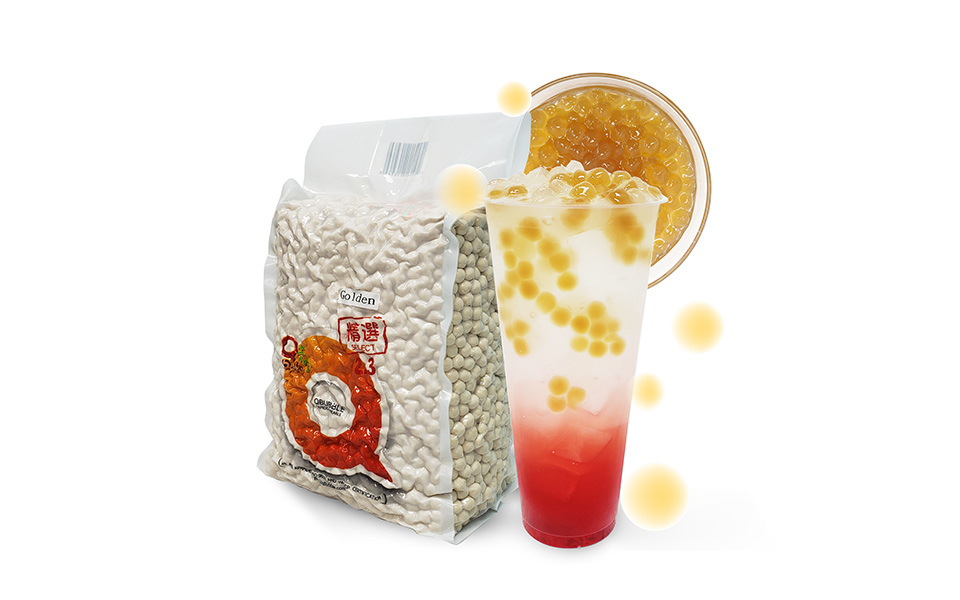
Commercial Tapioca Pearls (Black & Amber)
Engineered for high-volume QSR operations. Offers uniform 2.3mm diameter sizing, superior QQ chewiness, and extended resistance to starch retrogradation.
Yield: ~60-70 servings per 3kg vacuum pack
Best For: Classic Boba Milk Tea, Brown Sugar Lattes
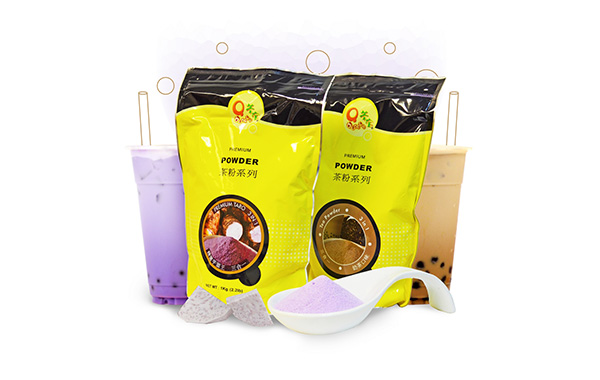
Premium Milk Tea & Taro Powders
All-in-one instant powders and non-dairy beverage creamers designed for quick dissolution in high-speed commercial blenders and shakers.
Shelf Life: 24 months sealed
Flavor Variants: Taro, Thai Tea, Honeydew, Matcha
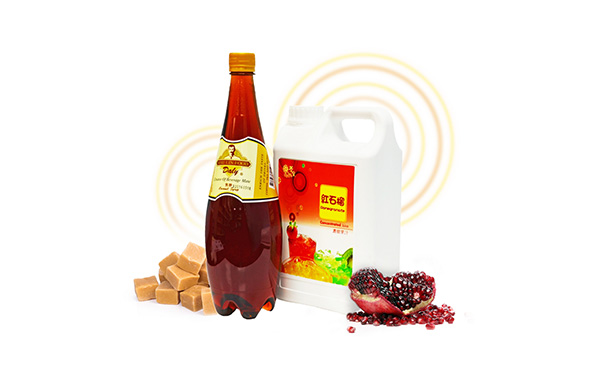
High-Brix Fruit Syrups & Purees
Highly concentrated real fruit extract syrups. Formulated to yield intense natural fruit flavor and vivid presentation in fruit iced teas and slushies.
Packaging: 2.5kg bottles / 6 per carton
Popular Flavors: Mango, Passion Fruit, Peach, Lychee
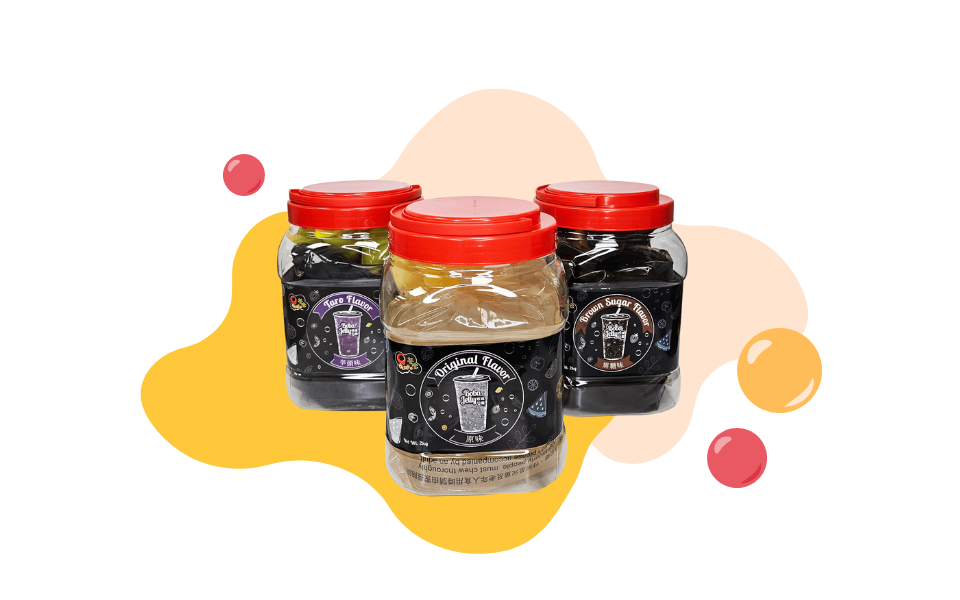
Popping Boba & Coconut Jelly
Liquid-filled calcium alginate spheres and chewy coconut jellies that add fun textures and instant visual appeal to modern craft drinks.
Storage: Ambient (Refrigerate after opening)
Use Cases: Fruit Teas, Frozen Yogurt Topping
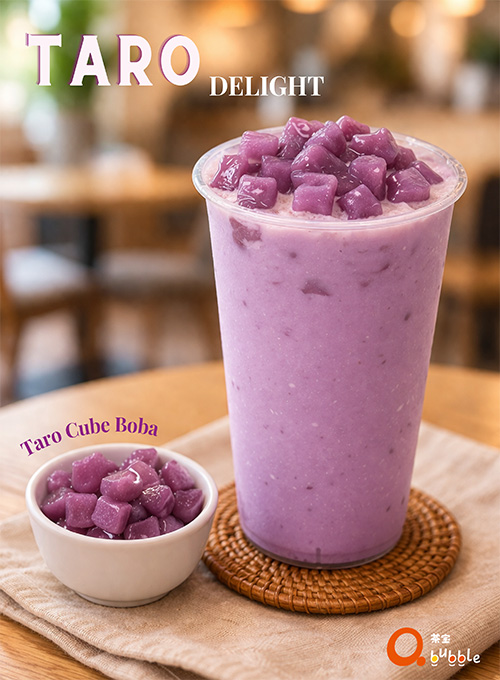
Fast-Cook Taro Cube Boba
Innovative instant-cook root vegetable topping offering authentic taro aroma and soft bite, reducing kitchen prep time by 50%.
Application: Specialty Ube/Taro drink series
Advantage: Low labor cost, zero clump formulation
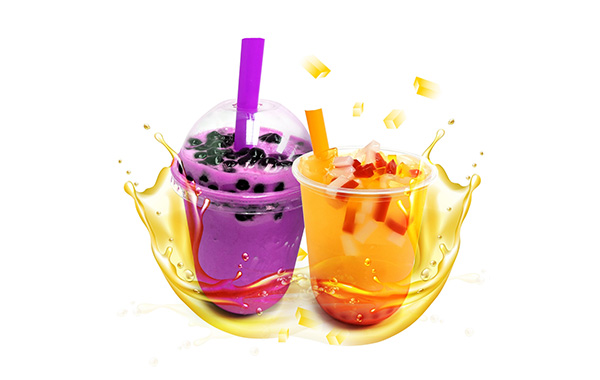
U-Shape Boba Cups & Custom Packaging
Ultra-clear PP and PET injection cups designed for high clarity and compatibility with automated sealing machines and eco-straws.
Volume: 16oz (500ml) & 24oz (700ml)
Customization: Custom logo print available
4. 2026–2030 Future Procurement Trends & Market Intelligence
To maintain competitive advantage, procurement officers must align their sourcing with key micro- and macro-trends reshaping consumer beverage consumption worldwide.
4.1 Clean-Label & Functional Beverage Ingredients
Modern consumers are demanding transparency. We are seeing a rapid pivot toward clean-label ingredients: naturally derived colorings (such as real butterfly pea flower and purple sweet potato extract), organic cane sugar alternatives, and reduced synthetic additives. Furthermore, functional toppings—such as protein-enriched jelly, prebiotic popping boba, and botanical adaptogens—are commanding premium pricing in urban markets.
4.2 Smart Store Automation & Process-Standardized Raw Materials
Labor turnover remains the single largest operational headache for boba shop chains. Consequently, demand is surging for automated fructose machines, automatic tea brewers, robotic shakers, and self-sealing cup machines. Wholesale ingredients must be formulated specifically for machine compatibility. For example, syrups must maintain constant viscosity across temperature fluctuations to prevent dispensing pump miscalibrations.
4.3 Eco-Friendly Packaging Mandates
Single-use plastic bans across major municipal markets are forcing operators to migrate toward biodegradable PLA (Polylactic Acid), sugarcane bagasse straws, and recyclable PP sealable cups. Partnering with a supplier like Qbubble ensures your chain stays ahead of local environmental compliance regulations without sacrificing product aesthetic or function.
| Market Shift Metric | Legacy Boba Setup (2018–2022) | Modern Scaled Enterprise (2026+) | Procurement Impact |
|---|---|---|---|
| Cook Time (Tapioca) | 60 min cook + 30 min steam | 20-25 min rapid cook / Taro cubes | Reduces store labor & electricity cost by 40% |
| Packaging Compliance | Standard EPS / Non-recyclable PET | PLA / PP Recyclable / Paper U-Cups | Prevents municipal penalty risks |
| Flavor Formulation | High fructose corn syrup (HFCS) | Real Fruit Extracts & Reduced Sugar | Attracts health-conscious premium buyers |
| Supply Logistics | Ad-hoc import per container | US Warehousing + Fast Ground Trucking | Eliminates stockout income loss |
5. Supplier Evaluation Framework & Cost Calculation Matrix
Choosing the right commercial partner requires evaluating quantifiable supply chain parameters beyond the surface-level purchase price per case.
5.1 The Total Cost of Ownership (TCO) & Per-Cup Yield Calculation
A common mistake made by new store owners is buying the lowest-cost bag of tapioca or powder without calculating unit extraction yield. Consider the formula below:
Commercial Per-Cup Unit Cost Formula
Landed Cost Per Cup = [(Cost per Bag + Freight) / Net Usable Servings] + Packaging + Operational Waste Factor (5%)
High-yield raw materials with lower water loss during cooking yield up to 15% more servings per bag, effectively offsetting a higher initial purchase price and delivering superior margin performance.
5.2 Verification Matrix for B2B Sourcing Directors
- Regulatory Compliance: Does the supplier provide FDA registration, Certificate of Analysis (COA), SDS safety sheets, and ISO22000 / HACCP food safety documentation for every batch?
- Batch-to-Batch Consistency: Are flavor profiles, color intensities, and particle size distributions standardized through strict factory quality controls?
- Warehouse Capacity & Safety Stock: Does the supplier maintain local domestic inventory to buffer against global ocean shipping disruptions?
- Technical Support & R&D Training: Does the supplier offer ongoing menu formulation support, barista training, and operational consulting?
6. The Qbubble Enterprise Advantage (Troika JC Inc.)
With over two decades of dedicated service to the global beverage industry, Qbubble stands out as the premier bubble tea wholesale supplier in the North American market.
Over 20 Years of Market Mastery
Established in 2003 in College Point, NY, Troika JC Inc. has guided thousands of independent stores and national multi-unit chains from initial concept to high-volume profitability.
Comprehensive B2B Service Suite
We don't just sell ingredients. We offer in-person barista classes, live online Zoom training, menu development consulting, and custom flavor R&D for scaling brands.
Our 30,000+ sq. ft. central distribution warehouse in New York ensures fast nationwide shipping, minimal order processing lead times, and guaranteed inventory security—allowing your business to run smoothly without stockout fears.