Bubble Tea Business Consulting & Turnkey B2B Supply Chain Solutions: The Ultimate Global Procurement & Store Execution Blueprint
Navigating beverage retail complexity through data-driven menu engineering, cost-per-cup (CPC) precision, back-of-house (BOH) workflow optimization, and institutional raw material supply chains.
Author: Strategic SEO & Beverage Growth Advisory Board|Verified By: Troika J C Inc. / Qbubble Operational Experts|Experience: 20+ Years Operating in US & Global Markets
20+ Years Institutional Experience
Established in 2003 in College Point, NY under Troika J C Inc., engineered directly for high-volume commercial scaling.
5,000+ Global Partners
Trusted B2B strategic advisor for single-unit startups, regional franchises, and international multi-unit importers.
FDA & Compliance Verified
All wholesale syrups, boba pearls, powders, and equipment meet rigorous international food safety standards.
Turnkey Training & Zoom SOPs
Comprehensive hands-on training, online Zoom classes, and customizable standard operating procedure (SOP) manuals.
Strategic Overview: The Evolution of Bubble Tea Business Consulting
The global bubble tea market has shifted from a niche specialty trend into a dominant $4.3+ billion commercial food and beverage sector. As global procurement directors, franchise developers, and independent store operators evaluate market entry, generic recipes and uncalibrated equipment no longer guarantee commercial viability. Today's high-intent enterprise queries centered around Bubble Tea Business Consulting demand deep operational clarity: exact unit economics, cost-per-cup (CPC) modeling, inventory turnover acceleration, back-of-house (BOH) beverage line layout, compliance risk mitigation, and sustainable raw material sourcing.
At Qbubble (Troika J C Inc.), our consulting framework is rooted in over 20 years of direct US warehouse distribution, hands-on master classes, and supply chain management for more than 5,000 global beverage brands. Founded in 2003 in College Point, NY, we act not merely as a B2B product supplier, but as a full-service growth advisory board dedicated to converting raw entrepreneurial intent into scalable, high-margin store networks.
Information Gain Insight: The 65% Failure Trap in Un-Consulted Boba Shops
Internal supply chain audit data reveals that 65% of independent boba shop failures within their first 18 months do not stem from poor location or weak marketing, but from uncontrolled waste ratios during tapioca preparation, inconsistent tea extraction SOPs, uncalibrated fructose dispensing, and incorrect cost-per-cup menu pricing. Professional business consulting mitigates these risks before capital expenditure begins.
Launching a profitable boba store requires an integrated methodology that bridges ingredient chemistry with retail floor logistics. Our consulting framework is broken down into four core operational pillars designed for maximum return on investment (ROI).
We perform micro-level cost breakdowns for every menu SKU. A standard 24oz fruit tea or milk tea drink must maintain a strict raw material margin target between 15% to 22% of retail price. We audit dosage ratios for tapioca pearls, concentrated fruit syrups, tea extractions, and ice displacement to lock in predictable unit economics.
Pillar 2: Menu Engineering & Signature Flavor Profiling
Menu overload leads to operational bottlenecks and excessive inventory holding costs. Our consultants curate core matrix menus structured around primary tea bases (Jasmine Green Tea, Black Tea, Oolong) and versatile toppings (Amber Tapioca Pearls, Fast-Cook Taro Cubes, Popping Boba, Cream Cheese Foam). This ensures maximum cross-utilization of SKUs across hot, cold, slush, and foam series.
Pillar 3: Store Layout Engineering & BOH Workflow Optimization
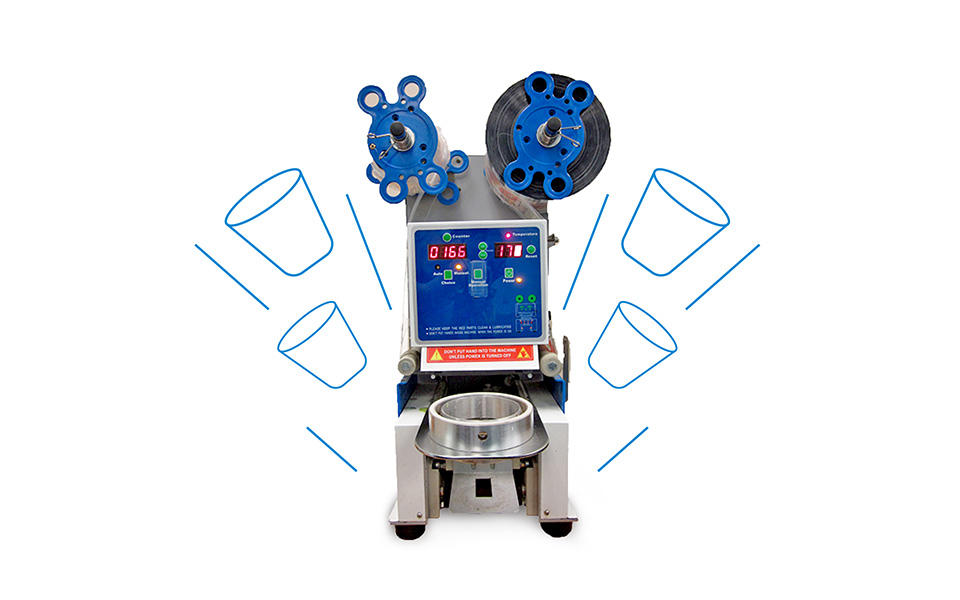
Speed of service dictates peak-hour revenues. We assist store designers in structuring linear, ergonomic work stations. From automatic commercial sealing machines and fructose dispensers to heavy-duty blenders and induction tapioca cookers, we eliminate unnecessary steps for baristas, boosting throughput up to 180 cups per hour per station.
Pillar 4: Hands-On Training & Institutional SOP Manuals
Whether attending our physical training center in College Point, NY or joining our Online Zoom Masterclass, your team learns the precise science of tea brewing, syrup emulsification, and boba texturizing. We provide standardized recipe manuals, daily opening/closing checklists, and sanitation protocols.
Curated B2B Product & Equipment Ecosystem
A world-class consulting blueprint is only as effective as the raw materials driving beverage execution. Below is our institutional product matrix recommended for commercial operations, featuring authentic items sourced and distributed nationwide by Qbubble.
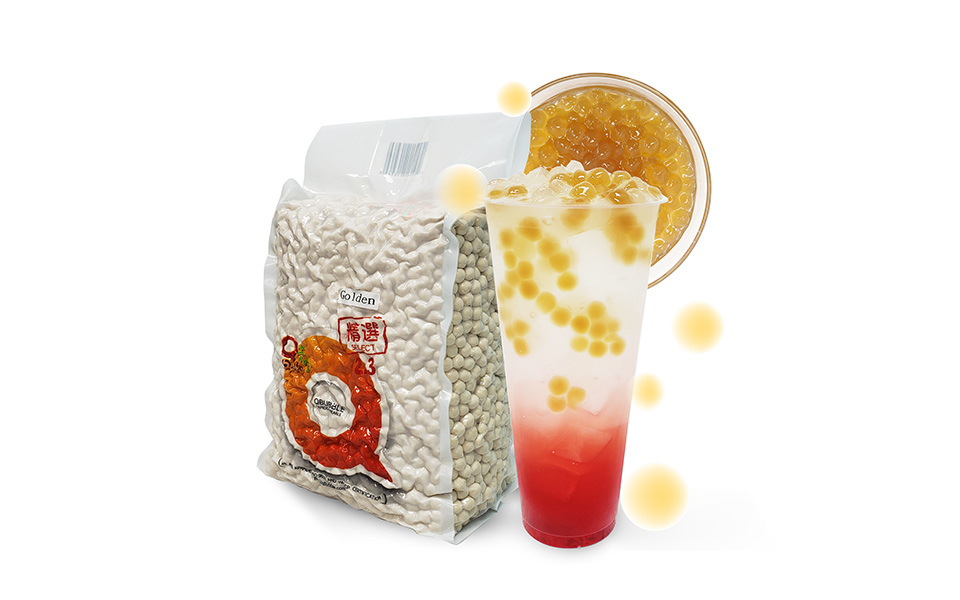
Commercial Amber & Black Tapioca Pearls
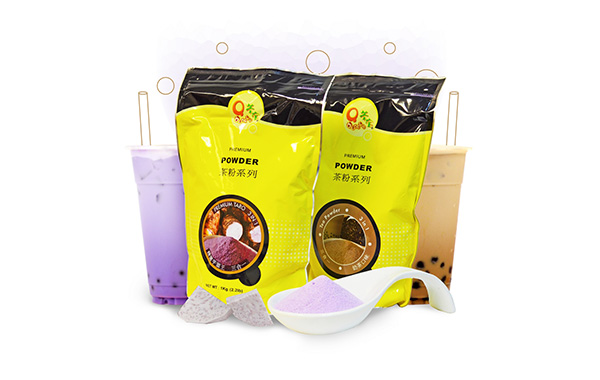
Premium Powders & Creamers
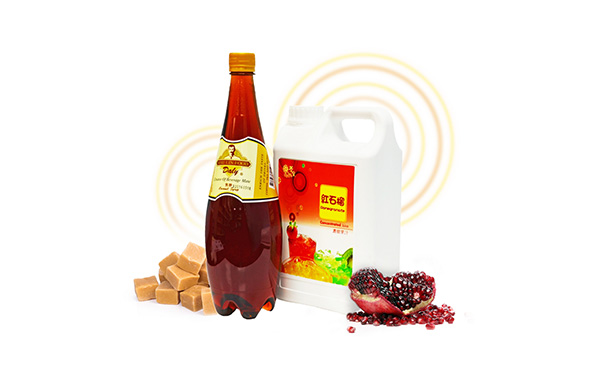
Concentrated Fruit Syrups & Jams
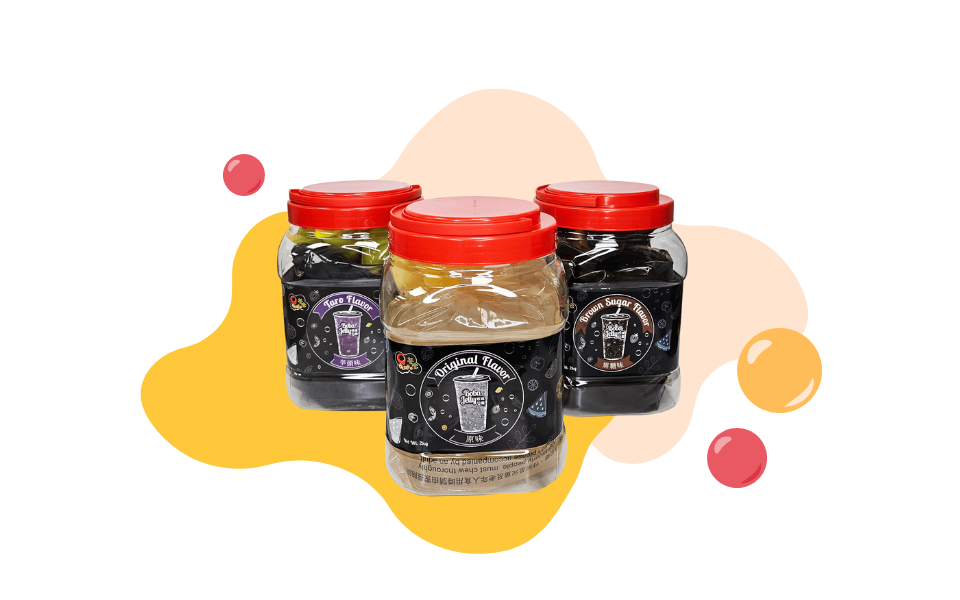
Popping Boba & QQ Jelly Balls
U-Shape Cups & Eco Packaging
Commercial Appliances & Shakers
Technical Product Procurement Matrix for Commercial Store Operations
Ingredient / Equipment Category
Recommended Commercial Grade
Operational Purpose
Cost & Profit Yield Advantage
Tapioca Boba Series
Amber Tapioca, Black Tapioca, Fast-Cook Taro Cubes
Visual layering and burst-in-mouth texture additions.
Zero prep-time required; instant scoop-and-serve labor efficiency.
Packaging & Appliances
U-Shape PP Cups, Eco Straws, Auto Cup Sealer, Fructose Dispenser
Standardized portion control, spill-proof takeaway packaging, fast BOH.
Reduces barista error by 95%; locks in hygienic tamper-evident seal.
Macro Industry & Product Development Trends (2026–2030)
Succeeding in the modern beverage landscape requires keeping pace with shifting consumer preferences. B2B importers and store chains must align their product development pipelines with three macro trends:
1. Clean-Label & Functional Beverage Formulations
Consumers are increasingly demanding reduced refined sugar, natural botanical infusions, and functional health benefits. Forward-thinking store operators are integrating real tea polyphenols, natural fruit purees, and zero-calorie cane sugar alternatives into their core menus. Our consulting team assists in developing low-Brix, micro-sweetened recipes that maintain full-bodied mouthfeel without artificial heavy aftertastes.
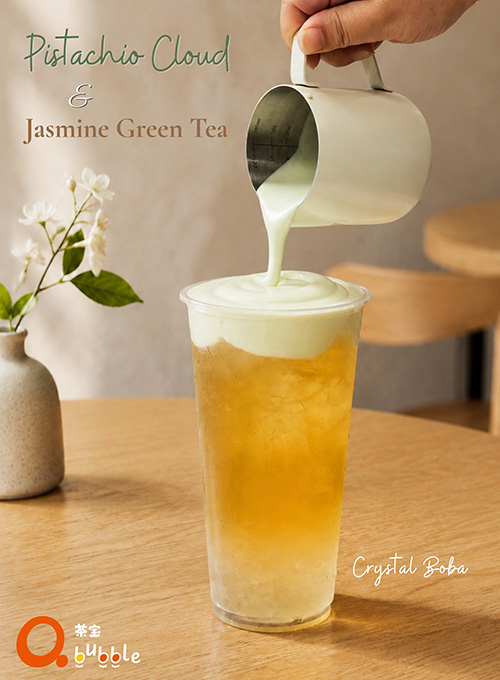
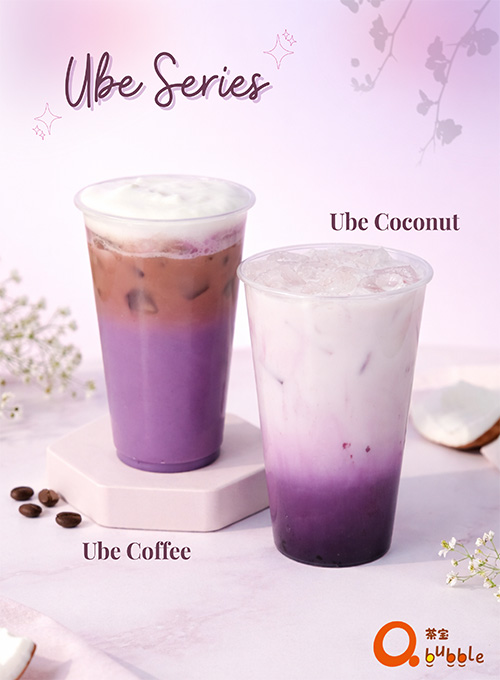
The rise of viral food culture on platforms like Instagram and TikTok means visual aesthetics directly impact sales volume. Emerging trends feature layered drinks like Pistachio Cloud Jasmine Green Tea, Dreamy Ube Iced Coffee, and Fast-Cook Taro Cube Boba. Adding multi-layered textures—combining chewy boba with silky cream foam and popping juice pearls—increases perceived value and allows higher retail menu pricing.
Pistachio Cloud Jasmine Green Tea
Dreamy Ube Series Beverage Innovation
3. BOH Automation & Micro-Process Standardisation
Rising retail labor costs globally have forced store operators to automate beverage preparation. Smart fructose dispensers, automatic shaker machines, and precise temperature-controlled tea brewers ensure every customer receives an identical drink regardless of who is working the shift. Our business consulting services include automated station mapping to minimize labor hours while maintaining high output quality.
Future Sourcing & Procurement Trends for Global Buyers
For enterprise purchasing managers, regional multi-unit operators, and international distributors, procurement strategy is transitioning from reactive order placement to proactive supply chain resilience:
Localized Hub Inventory & De-Risked Logistics: Relying solely on overseas direct-ship containers leaves stores vulnerable to ocean freight delays and port customs holds. Partnering with domestic Master Distributors like Qbubble—who maintain large inventories at our College Point, NY hub—guarantees continuous product availability and mitigates stockout risks.
Strict Environmental Packaging Compliance: Municipalities worldwide are banning single-use non-recyclable plastics. Procurement trends favor biodegradable PLA straws, recyclable Polypropylene (PP) U-cups, and paper cold drink cups. Our eco-friendly packaging lines help brands stay fully compliant with local environmental regulations.
Yield Stability & Contracted Bulk Pricing: Volatility in agricultural commodities (such as cassava starch for tapioca or real fruit concentrates) can shrink retail profit margins. Through structured enterprise procurement contracts, we help business clients lock in fixed pricing structures and secure steady volume allocations.
Frequently Asked Questions: Bubble Tea Business Procurement & Consulting
Below are technical, data-backed answers to the most common questions asked by global procurement buyers, store founders, and franchise developers when consulting with our enterprise team.
Q1: What total capital expenditure (CapEx) is required to open a commercial bubble tea store, and how does consulting reduce financial risk?+
A standard 800 to 1,500 sq. ft. commercial bubble tea store typically requires between $120,000 and $280,000 in CapEx, covering leasehold improvements, commercial kitchen equipment, initial inventory, POS systems, and marketing. Engaging professional consulting reduces financial risk by eliminating over-purchasing of redundant equipment, preventing costly layout redesigns, and locking in wholesale raw material pricing that keeps your cost-per-cup (CPC) strictly within the 15% to 22% target range.
Q2: What regulatory compliance standards (FDA, USDA, HACCP) apply when sourcing boba ingredients in the US?+
All imported boba ingredients—including tapioca pearls, concentrated syrups, fruit jams, and flavored powders—must comply with US Food and Drug Administration (FDA) regulations, FSMA (Food Safety Modernization Act) rules, and local health department sanitation codes. Sourcing through Qbubble guarantees that all products come with full Certificate of Analysis (COA) documentation, clear English nutritional labeling, allergen disclosures, and FDA facility registration, protecting your business from customs rejections or health department compliance fines.
Q3: How do I accurately calculate and optimize the Cost-Per-Cup (CPC) across my beverage menu?+
Cost-Per-Cup is calculated using the formula: CPC = (Tea Base Cost) + (Syrup/Powder Cost) + (Topping Cost) + (Cup/Lid/Straw Packaging Cost). For example, a standard 24oz Passion Fruit Green Tea with Tapioca Pearls made using Qbubble wholesale supplies averages $0.75 to $1.15 in raw materials. Sold at a retail price of $5.50 to $7.00, this yields a healthy 80%+ gross margin. Our consulting team provides custom spreadsheet tools to model recipe yields down to the exact gram and milliliter.
Q4: What is the operational difference between traditional tapioca pearls and fast-cook taro/boba toppings during peak hours?+
Traditional black or amber tapioca pearls require 25–30 minutes of boiling followed by 25–30 minutes of braising in brown sugar syrup, holding optimal chewy texture for 4 to 6 hours. Fast-cook options like Fast-Cook Taro Cube Boba or instant-prep popping pearls reduce preparation time to under 10 minutes or zero prep. Incorporating fast-cook SKUs into your menu acts as an operational buffer during unexpected rush hours, preventing store walk-outs when traditional boba pots are cooking.
Q5: Should a commercial store use non-dairy creamer powders, fresh dairy milk, or plant-based alternatives?+
From an operational perspective, premium non-dairy creamer powders deliver superior shelf stability, low refrigeration costs, instant solubility, and a traditional rich milk tea texture preferred by classic boba enthusiasts. However, modern menus should also offer fresh dairy milk and plant-based alternatives (like oat milk or coconut milk) as premium add-ons. Our menu consulting helps you engineer a balanced creamer strategy that satisfies health-conscious consumers while maintaining high operational efficiency.
Q6: How does Qbubble's Online Zoom Class compare to In-Person Consulting at College Point, NY?+
Our In-Person Master Class at our College Point, NY headquarters offers hands-on operational practice using commercial espresso machines, tea extractors, automatic sealing units, and tapioca cookers under direct instructor supervision. Our Online Zoom Class is designed for international or long-distance entrepreneurs, delivering step-by-step recipe training, equipment setup guides, digital recipe matrices, and live Q&A sessions without travel expenses. Both options include full ongoing consulting access.
Q7: What key operational mistakes cause new boba shop owners to fail?+
The four main failure points are: 1) Over-complicated menus with excessive low-volume SKUs that lead to high inventory spoilage; 2) Inconsistent drink assembly due to a lack of precise barista measurement tools; 3) Uncalibrated equipment resulting in bitter tea extractions or hard boba pearls; and 4) Weak supplier logistics causing stockouts of primary best-sellers. Working with Qbubble eliminates these failure points through structured SOPs and dependable supply chain logistics.
Q8: How do I initiate a commercial bulk procurement account or business consulting session with Qbubble?+
Starting is simple: click the inquiry button below to connect directly with our advisory team. We conduct an initial operational intake to analyze your project timeline, location, projected store capacity, and target menu style, providing a tailored procurement quote and consulting roadmap.
Ready to Build a Profitable, High-Yield Bubble Tea Business?
Partner with Qbubble (Troika J C Inc.) — America's trusted boba wholesale supplier and business advisory team since 2003. Get personalized menu engineering, unit cost analysis, and turnkey store setup support today.