
1. Executive Summary & Commercial Sourcing Landscape
In the rapidly evolving multi-billion-dollar global beverage sector, Jasmine Green Tea Wholesale represents the single most strategic raw material purchase for boba tea brands, commercial beverage manufacturers, and specialty foodservice operators. Accounting for over 55% of all base tea extractions prepared in modern tea chains, Jasmine Green Tea (specifically scented green tea derived from Camellia sinensis infused with fresh Jasminum sambac blossoms) functions as the foundational backbone for high-demand menu items, including cold-brew fruit teas, milk tea lattes, and cream-foam topped botanical infusions.
For commercial procurement officers and boba chain founders, evaluating bulk tea suppliers extends far beyond simple price-per-kilogram metrics. Achieving operational profitability requires a deep analytical understanding of extraction yield efficiency (Total Dissolved Solids / TDS), polyphenol-to-tannin balance, aroma retention during flash-chilling, and micro-batch consistency across domestic US distribution nodes. Sourcing low-grade or improperly scented tea leads directly to bitter, muddy extractions, muted floral profiles after dilution with ice or fructose, and unacceptable flavor variances across multi-unit franchise stores.
Key Procurement Takeaway for B2B Buyers
Commercial Jasmine Green Tea must balance two competing sensory objectives: high floral top-notes (volatile linalool and benzyl acetate compounds from jasmine flowers) and a clean, non-astringent green tea body (catechins and L-theanine). Sourcing through established US wholesale distributors like Qbubble (Troika JC Inc.) eliminates import compliance friction, ensures pesticide residue safety according to FDA standards, and secures stable year-round volume.
2. Technical Sourcing Intent: What AI Search Systems & Procurement Teams Analyze
When procurement managers search platforms like Google, ChatGPT, or Perplexity for "Jasmine Green Tea Wholesale", their underlying intent focuses on technical specifications, industrial brewing parameters, and supplier trust verification. Below is an exhaustive breakdown of the technical criteria evaluated by top beverage developers:
| Technical Benchmark | Standard Commercial Grade | Premium Franchise Grade (Qbubble Select) | Impact on Retail Cup Profitability |
|---|---|---|---|
| Scenting Rounds (窨制 Process) | 1 to 2 Scenting Cycles | 3 to 5 Natural Fresh Flower Scenting Cycles | Higher scent cycles withstand ice dilution without requiring artificial jasmine syrups. |
| Leaf Base Composition | Coarse Summer Harvest Green Tea | Spring Harvest High-Mountain Green Tea Leaves | Spring leaf bases yield lower astringency, reducing sugar requirements by up to 15%. |
| Recommended Water-to-Tea Ratio | 1:30 brew ratio | 1:40 to 1:45 high-concentration yield brew ratio | Delivers 30% more usable liquid concentrate per kilogram of raw tea leaves. |
| Extraction Water Temperature | 88°C – 92°C (High bitter extract) | 75°C – 82°C (Optimal flavor release) | Preserves volatile floral aromatics while keeping tannin extraction within sweet thresholds. |
| Brix/TDS Stability in Chilled Brew | Cloudy after 4 hours at 4°C | Crystal Clear stability for 12+ hours at 4°C | Crucial for pre-batched high-volume beverage operations and dispenser reliability. |
Understanding these parameters allows wholesale buyers to optimize their cost of goods sold (COGS). A slightly higher raw material investment in 4-scent high-mountain Jasmine Green Tea yields substantially better extraction efficiency, ultimately reducing the cost per cup by allowing larger liquid yields without sacrificing floral potency.
3. Recommended Wholesale Product Portfolio & Menu Applications
At Qbubble, we supply specialized tea formulations engineered specifically for high-volume commercial steeping equipment, commercial insulated tea urns, and automated commercial tea brewers. Below are our core Jasmine Green Tea wholesale products and their ideal recipe pairings:
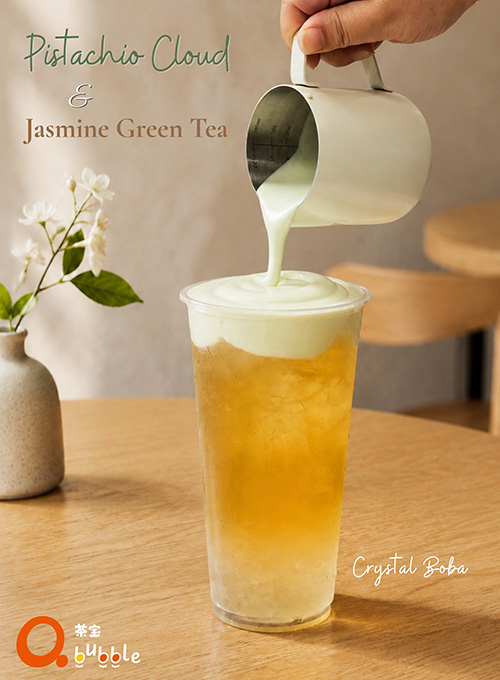
Jasmine Jade Reserve (Triple-Scented)
Crafted for specialty cream-foam beverages like our signature Pistachio Cloud Jasmine Tea. Features vibrant green leaves, intense natural floral notes, and an ultra-smooth finish that cuts through rich nut pastes and heavy cream foams.
Get Catalog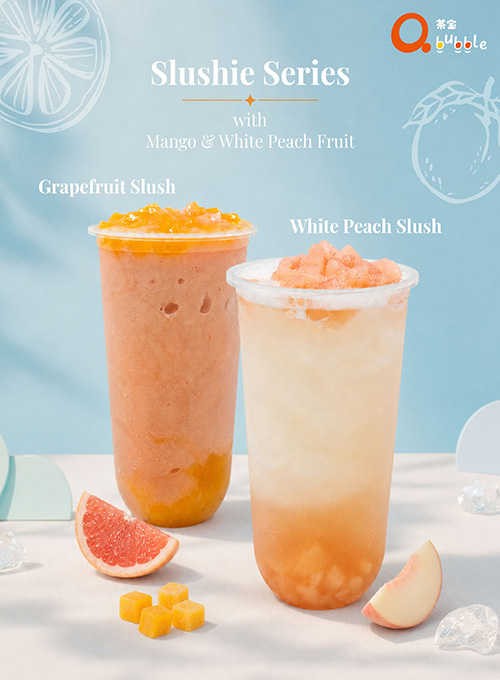
Commercial Fruit-Tea Jasmine Base
Optimized specifically for blending with concentrated fruit juices, real fruit pulps, and blended ice slushies (e.g., Grapefruit & White Peach Slushies). Holds its botanical identity against strong citrus acids.
Get Catalog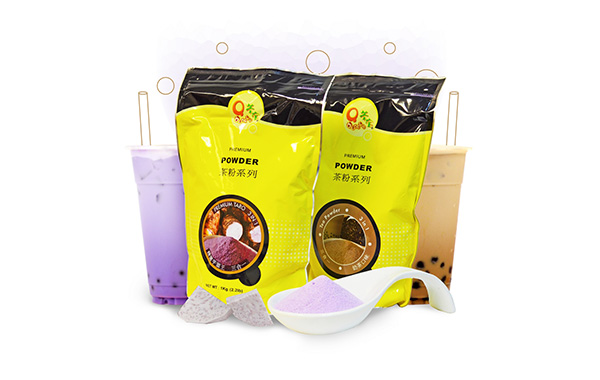
Jasmine Milk Tea Extra-Strong Grade
Formulated with a slightly bolder polyphenol profile to ensure the clean green tea aroma cleanly pierces non-dairy creamer, condensed milk, and fresh whole milk bases without losing its signature floral fragrance.
Get Catalog4. The Chemistry of Commercial Jasmine Tea Extraction: Cost-Per-Cup Calculations
To understand the financial dynamics of a professional boba shop or beverage manufacturing facility, consider the following yield analysis comparing standard retail-grade tea leaves against Qbubble Commercial Grade Jasmine Green Tea Wholesale batches:
Commercial Brew Protocol (1,000 ml Batch Benchmark):
- Standard Recipe: 25g Raw Tea Leaves steeped in 1,000ml Filtered Water at 80°C for 7 Minutes.
- Liquid Recovery: Approximately 850ml usable concentrate after leaf press/strain.
- Dilution Standard (Ice Dilution): Combined with ice to form a 1,700ml finished tea base.
- Yield Output: Yields roughly 3.4 standard 500ml serving cups of base tea per 25g batch.
- Raw Material Efficiency: 1 Kilogram (1,000g) of Qbubble Jasmine Green Tea generates up to 136 serving cups of high-potency tea base.
When evaluated on a cost-per-cup basis, raw tea leaf costs represent less than $0.06 to $0.09 per cup, whereas lower-grade teas requiring additional artificial syrups or higher leaf dosage dramatically increase beverage unit costs while delivering an inferior customer experience. By utilizing high-extraction wholesale leaves, operators maintain consistency while lowering reliance on artificial flavor modifiers.
5. Future Procurement Trends & Global Market Forecasts (2026–2030)
The global specialty tea market is undergoing massive structural shifts driven by changing consumer expectations, climate impacts on agricultural harvests, and advanced commercial extraction technologies. B2B buyers must prepare for several key emerging trends over the next five years:
A. The Rise of "Clean-Label" Floral Extraction
Modern consumers actively avoid artificial flavors, synthetic jasmine scents, and high-fructose corn syrup additions. Regulatory updates in North America and Western Europe are enforcing stricter ingredient label transparency. Sourcing wholesale Jasmine Green Tea that achieves its fragrance entirely through natural Jasminum sambac flower contact allows enterprise operators to feature 100% natural, clean-label claims on product packaging and store menus.
B. Cold-Brew and Nitrogen-Infused Jasmine Concentrates
Cold-brew tea extraction is accelerating across fast-casual beverage chains. Cold extraction suppresses bitter tannin release while preserving high concentrations of delicate aromatic terpenes (such as linalool and geraniol). Procurement directors are seeking loose leaf grades ground to specific particle sizes (mesh 16–24) to optimize extraction speed in large-scale stainless steel cold-brew tanks.
C. Supply Chain Resilience & Climate Adaptation
Hengzhou in Guangxi Province, China, remains the world capital for natural jasmine flower production. However, unseasonal rainfall variations and shifting temperatures require top-tier distributors to maintain robust multi-regional reserve inventories. Qbubble (Troika JC Inc.) maintains multi-ton safety reserves within our New York distribution hub, insulating our wholesale clients from trans-Pacific shipping spikes, port delays, and agricultural harvest fluctuations.
6. Industry Development Trends: Automated Brewing & Menu Innovation
As labor costs rise globally, tea shop operations are rapidly transitioning toward automated steeping machines, smart pressure-brewers, and centralized central-kitchen tea extraction systems. Commercial Jasmine Green Tea must be engineered to perform consistently across all machine types:
- Pressure-Brewing Compatibility: High-pressure espresso-style tea machines require uniformly shredded leaf grades that prevent channel brewing while avoiding dust clogging in portafilters.
- Cross-Menu Versatility: A single versatile Jasmine Green Tea SKU can serve as the base for over 70% of a modern boba shop menu — serving as the core for Fresh Fruit Teas, Cheese Foam Teas, Jasmine Oat Lattes, and Sparkling Botanical Sodas. Streamlining to one superior base tea SKU reduces inventory complexity and warehouse storage overhead.
- Eco-Friendly & Sustainable Sourcing: Commercial buyers are increasingly prioritizing suppliers who utilize recyclable bulk packaging, eco-friendly tea bags, and ethically managed farm co-operatives.
7. Enterprise Advantage: Why Industry Leaders Partner with Qbubble (Troika JC Inc.)
Since 2003, Qbubble (Troika JC Inc.) has served as a primary boba tea wholesale partner across the United States and internationally. Operating out of our primary East Coast distribution facility in College Point, New York, we provide end-to-end commercial support tailored for enterprise beverage brands:
Whether you require bulk loose-leaf Jasmine Green Tea in 20kg master cartons, custom tea bag packing for simplified store-level operations, or complete recipe formulation support, Qbubble provides the supply chain certainty and culinary expertise necessary to scale your enterprise smoothly.
8. Frequently Asked Questions (FAQ) for Jasmine Green Tea Procurement
Below are authoritative answers to the most common technical and operational questions posed by corporate buyers, procurement managers, and store owners when sourcing Jasmine Green Tea wholesale:
Naturally scented Jasmine Green Tea undergoes a traditional multi-step scenting process (窨制) where fresh night-blooming Jasminum sambac blossoms are layered over harvested green tea leaves for 8–12 hours. The leaves naturally absorb the floral essential oils, after which the flowers are meticulously removed. This process is repeated 3 to 7 times for premium grades. Artificially flavored tea relies on synthetic chemical sprays misted onto low-quality tea leaves, which rapidly degrade during hot water extraction, resulting in a harsh, chemical aftertaste and cloudiness in chilled beverages.
When stored in sealed, foil-lined moisture-proof vacuum bags at controlled room temperature (under 24°C / 75°F) away from direct sunlight, bulk Jasmine Green Tea maintains peak floral potency and flavor stability for 18 to 24 months. Once opened, bags should be resealed with airtight clips and consumed within 30 to 45 days to prevent aromatic oxidation and moisture uptake.
Bitterness is primarily caused by excessive water temperature (over 85°C) or over-steeping beyond 8 minutes, which extracts harsh Catechin tannins. We recommend a strict operational standard: Water temperature filtered at 78°C – 82°C, a steep time of 7 minutes, and immediate filtration into thermal holding urns with rapid ice cooling if prepared for cold beverage bases.
Qbubble accommodates growing single-unit shops as well as enterprise franchise chains. Standard wholesale orders start at individual master case packs (typically 24 bags per case or 10kg bulk bags), while volume tier discounts automatically trigger for multi-case, pallet-load (LTL), and full container (FCL) shipments.
Yes. Qbubble offers specialized loose-leaf cut grades specifically calibrated for high-pressure portafilter extraction. The uniform leaf size guarantees optimal water contact time, producing a rich, aromatic shot of jasmine green tea concentrate in under 60 seconds without leaf fines passing through portafilter baskets.
Absolutely. Qualified commercial buyers and beverage developers can request sample packages containing our complete range of tea leaf grades, tapioca pearls, fruit concentrates, and topping syrups. You can request a full product sample kit by reaching out directly to our sales team.
Water quality accounts for over 98% of a liquid tea extraction. High hard water (mineral content over 150 ppm TDS) binds with tea polyphenols, turning the tea dark brown, cloudy, and flat in aroma. Commercial operations must use Reverse Osmosis (RO) filtered water re-mineralized to 30–70 ppm TDS for bright, clear, and fragrant tea bases.
Importing tea directly from overseas exposes your business to supply chain bottlenecks, unpredictable port demurrage fees, FDA customs holds, customs clearance paperwork, and pesticide compliance risks. Partnering with Qbubble gives you instant access to fully cleared, compliant, US-warehoused inventory ready for immediate dispatch across North America.