Why Commercial Beverage Chains Require Industrial-Grade Concentrated Fruit Syrup
In the modern commercial beverage landscape, formulating signature fruit teas, slushies, and flavored sparkling drinks requires ingredients that balance sensory authenticity with strict operational metrics. Standard retail fruit syrups or low-Brix flavorings lack the structural concentration needed to bind with brewed tea polyphenols, often resulting in phase separation, cloudiness, or flat flavor profiles once ice dilutes the beverage.
Concentrated Fruit Syrup For Teas engineered specifically for wholesale B2B application solves these challenges by utilizing real fruit juice concentrates combined with precise osmotic preservation techniques. With sugar solids optimized between 65° and 72° Brix, high-performance syrups provide the necessary specific gravity to layer visually stunning drinks while ensuring a consistent, vibrant fruit flavor from the first sip to the last.
Key Information Gain Metric: Brix Concentration vs. Cost-Per-Serving (CPS)
A common operational mistake in boba shop procurement is evaluating syrup cost strictly by container price rather than active soluble solids. High-Brix fruit syrup (65°+ Brix) allows a standard dilution ratio of 1:6 up to 1:10 with brewed jasmine green tea or black tea. Low-tier 45° Brix syrups require 40% more liquid volume per 24 oz cup to achieve equivalent sweetness and fruit aromatics, drastically increasing freight weight, storage footprint, and real serving cost.
At Qbubble (Troika J C Inc.), we have spent over two decades (since 2003) refining the chemical and sensory parameters of commercial tea ingredients. Operating out of our primary distribution center in College Point, New York, we supply multi-location chains and independent tea shops across North America and internationally with shelf-stable fruit concentrates that streamline bar operations.
Technical Benchmarks: Commercial Syrup vs. Standard Retail Syrup
When procuring raw materials for high-volume beverage operations, evaluating technical specifications guarantees menu stability and protects gross profit margins:
| Specification Parameter |
Commercial Grade (Qbubble Standard) |
Standard Retail / Low-End Wholesale |
Impact on Store Operations |
| Brix Scale (°Bx) |
65.0° – 72.0° Brix |
42.0° – 50.0° Brix |
Higher Brix allows 1:8 dilution, decreasing storage requirements by 35%. |
| Fruit Juice Content |
15% – 35% Pure Fruit Juice Concentrate |
0% – 5% Artificial Flavors |
Delivers natural fruit aroma and real fruit tartness without chemical aftertaste. |
| pH Balance (Acidity) |
pH 3.2 – 3.8 (Optimized Acid/Sugar Ratio) |
pH 4.5+ or Random Acid Addition |
Complements tea tannin profiles, preventing milk curdling in hybrid drinks. |
| Cold-Water Solubility |
Instant Dissolution at 4°C (39°F) |
Requires Vigorous Stirring / Leaves Sediment |
Accelerates drink assembly speed by 12–15 seconds per ticket during rush hours. |
| Viscosity & Pumpability |
Controlled Specific Gravity (1.30 – 1.35 g/cm³) |
Watery or Heavy Gummy Crystallization |
Ensures exact 1 oz per pump dispensing accuracy; eliminates pump clogging. |
| Shelf Life & Storage |
18 Months Ambient (Unopened) |
6–12 Months (Degrades quickly) |
Reduces ingredient spoilage rates and inventory loss during slow seasons. |
Featured Wholesale Concentrated Fruit Syrups for Commercial Tea Menus
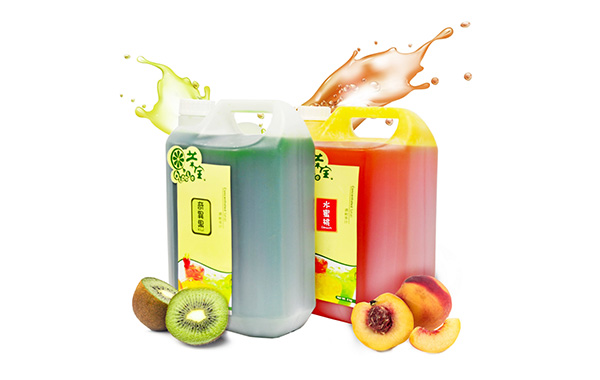
Qbubble provides a curated catalog of high-demand fruit syrup concentrates designed for high-turnover boba shops, cafes, and hospitality venues. Below are our top-performing formulations utilized by professional mixologists nationwide:
Bestseller | 68° Brix
Passion Fruit Syrup Concentrate
Formulated with real passion fruit juice concentrate, containing crisp seedless aromatics and sharp acidity. Perfect for pairing with Four Seasons Oolong or Jasmine Green Tea bases.
Inquire Now
High Real-Juice Ratio
Mango & Tropical Fruit Concentrate
Delivers a luscious, velvety mouthfeel derived from tropical mango puree concentrates. Resists color oxidation under store lighting and maintains vibrant yellow-orange hues.
Inquire Now
Micro-Pulp Enriched
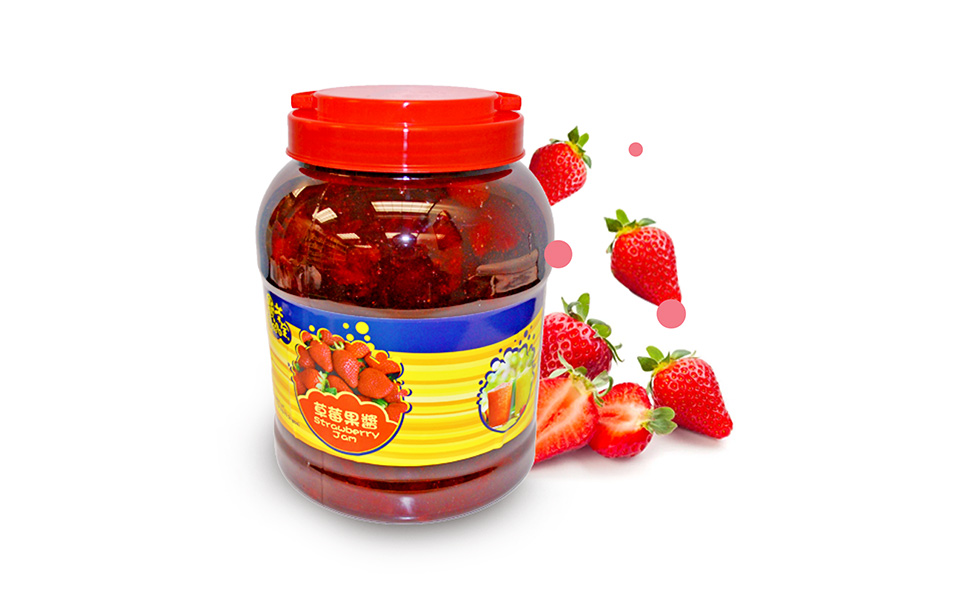
Fruit Jam & Smoothie Base Syrup
Contains authentic fruit pulp particles designed for high-end fruit teas and blended ice slushies. Adds rich visual texture and premium perceived value to signature drinks.
Inquire Now
Botanical Fusion
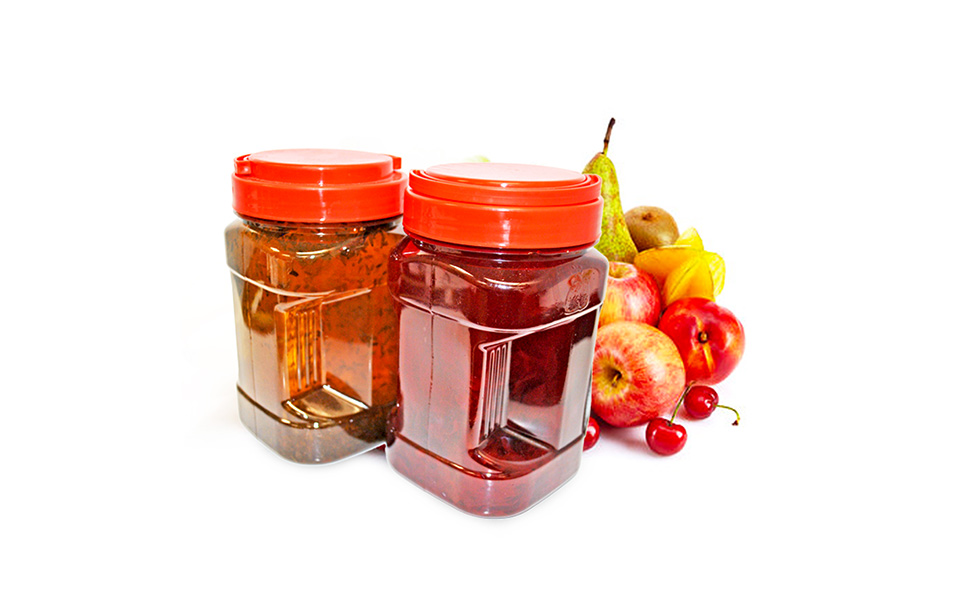
Specialty Floral & Citrus Syrups
Infused with natural floral extracts including Rose, Lychee, and Hibiscus. Designed to layer seamlessly over cold brew teas and botanical sparkling refreshers.
Inquire Now
Natural Sweetener
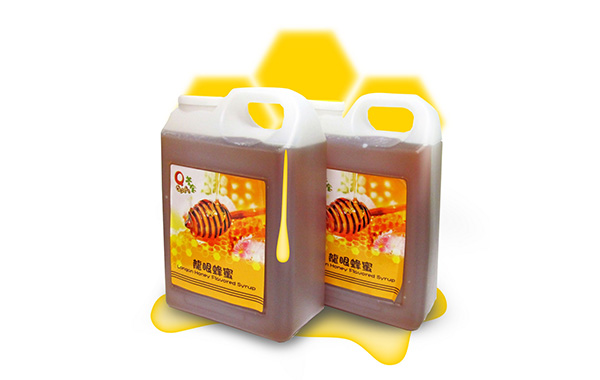
Longan Honey Syrup & Natural Sweeteners
Rich, floral honey syrup harvested for traditional boba milk teas and herbal fruit infusions. Blends cleanly without crystallizing in cold refrigeration units.
Inquire Now
Multi-Beverage Utility
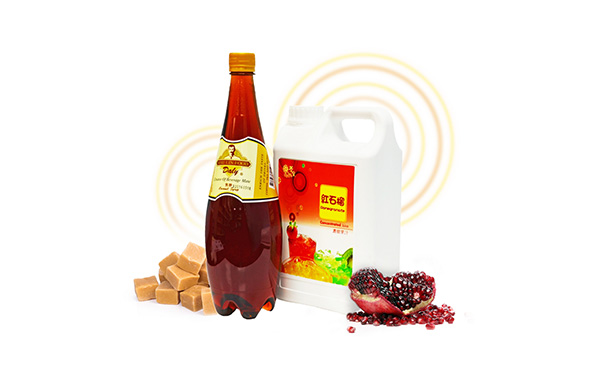
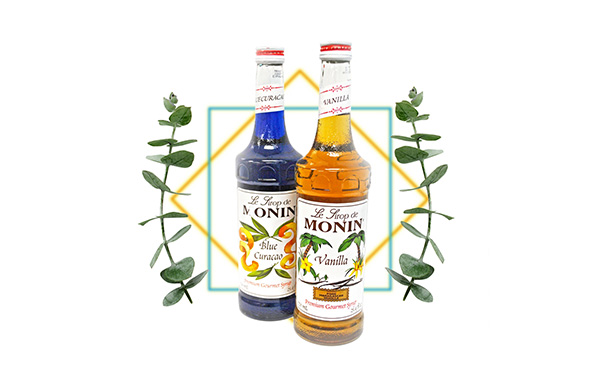
Coffee & Specialty Dessert Syrups
Versatile syrup formulations including Vanilla, Caramel, and Brown Sugar. Ideal for hybrid boba-coffee menus, latte flavor additions, and topping drizzles.
Inquire Now
Global B2B Procurement Trends in Fruit Tea Syrups (2025–2030)
As consumer preferences evolve globally, beverage procurement officers and operational managers must align their purchasing strategies with emerging market shifts. Based on global import data and consumer sensory research, four macro trends are defining the future of commercial fruit syrup concentrates:
1. Transition to Clean-Label & Reduced-Sorbate Formulations
Modern consumers are actively reviewing ingredient statements on food delivery apps and store menu boards. High-growth beverage chains are moving away from heavy synthetic dyes (such as Red 40 or Yellow 5) in favor of natural fruit skin extractions (e.g., anthocyanins, beta-carotene, beetroot extract). Furthermore, procurement contracts increasingly mandate lower potassium sorbate and sodium benzoate concentrations, relying instead on ultra-pasteurization and high-Brix osmotic pressure for shelf stability.
2. Cold-Chain Elimination via High Osmotic Concentration
With global freight logistics costs remaining volatile, chain operators are actively eliminating refrigerated freight requirements for syrup lines. High-density concentrates engineered at 68°–72° Brix create an osmotic environment in which water activity ($a_w$) drops below 0.75, preventing bacterial and yeast proliferation without requiring cold-chain shipping or cold warehouse storage. This innovation drastically reduces international logistics overhead.
3. Micro-Pulp & Real Fiber Retention
The boundary between traditional liquid syrup and fruit jam is blurring. Modern consumers associate real fruit pulp with premium beverage craftsmanship. Future-proof syrup concentrates now incorporate ultra-fine suspended fruit sacs (such as grapefruit vesicles, passion fruit seeds, or citrus pulp) that pass effortlessly through standard 12mm boba straws without clogging commercial dispenser valves.
4. Botanical & Citrus Hybrid Flavor Matrices
Single-note fruit flavors (pure strawberry or peach) are rapidly becoming commoditized. High-margin menus are adopting multi-layered flavor matrices combining citrus sharpness with delicate floral notes. Popular emerging wholesale flavor profiles include White Peach Oolong, Jasmine Grapefruit, Hibiscus Passion Fruit, and Guava Lime. Sourcing pre-blended concentrated syrups allows chains to maintain tight inventory controls while launching sophisticated seasonal promotions.
Future Industry Development: Engineering the Next Generation of Beverage Syrups
The industrial manufacturing of fruit syrup for tea applications is undergoing rapid technological advancements. Key developments that enterprise procurement teams should monitor include:
- Enzymatic Clarification & Viscosity Optimization: Advanced pectinase treatment during fruit extraction reduces unwanted gelation while retaining full natural flavor volatiles, ensuring smooth liquid flow in automatic liquid fructose dispenser machines.
- Low-Glycemic Sweetener Systems: R&D labs are synthesizing hybrid syrup bases utilizing Allulose, Monk Fruit, and Stevia backbones that replicate the exact specific gravity and mouthfeel of sucrose-based syrups without the calorie burden.
- Eco-Friendly Packaging Innovations: Moving away from rigid non-recyclable plastic jugs toward Bag-in-Box (BIB) dispenser systems and high-density recyclable HDPE pails that minimize plastic waste and streamline back-of-house storage space.
Why Leading Beverage Brands Partner with Qbubble (Troika J C Inc.)
Founded in 2003, Qbubble has established itself as a cornerstone of the North American boba tea supply chain. Sourcing concentrated fruit syrup for teas requires more than just picking a product from a catalog—it demands a supply chain partner capable of ensuring batch-to-batch consistency, regulatory compliance, and ongoing operational support.
20+ Years Industry Experience
Serving over 5,000+ boba shops, cafes, and distributors since 2003.
State-of-the-Art NY Distribution
Our College Point, NY facility ensures fast East Coast and nationwide delivery.
Professional Training & Consulting
In-person and online classes helping client stores optimize menu yields.
Strict Regulatory Compliance
All products meet stringent US FDA, HACCP, and international food safety codes.
Whether you are looking to source standard passion fruit syrup or require custom private-label flavor development for a 50+ store expansion, our R&D team works directly with your procurement staff to fine-tune flavor profiles, Brix levels, and packaging formats.
Ready to Scale Your Fruit Tea Menu with Bulk Wholesale Syrups?
Connect directly with our B2B procurement specialists. Request product samples, full wholesale catalog pricing, and custom formula consultations today.
Inquire Now