
1. Technical Breakdown & Formulation Architecture of Commercial Bubble Tea Powders
In the multi-billion-dollar global boba beverage ecosystem, bubble tea powder ingredients serve as the foundational backbone for consistent flavor density, creamy texture, and operational efficiency. Unlike artisanal drinks reliant exclusively on fresh dairy, commercial-grade milk tea powders are complex, spray-dried emulsion systems engineered to dissolve rapidly under specific hydrodynamic conditions while resisting whey separation (syneresis) when exposed to ice dilation or acidic tea tannins.
To understand how high-yield commercial powders function in a high-volume storefront, procurement specialists must evaluate the four core chemical components that dictate mouthfeel, viscosity, shelf stability, and cost-per-serving ratios:
A. Lipid Systems & Emulsion Technology (Fat Matrices)
The velvety texture characteristic of authentic Taiwanese milk tea relies on emulsified vegetable fat matrices. Standard commercial powders utilize refined, fully hydrogenated or non-hydrogenated fractionated palm kernel oil, coconut oil, or high-oleic sunflower oil containing 28% to 35% total fat content. The fat globule size is mechanically reduced to micro-submicron scales through high-pressure homogenization before spray drying. This micro-encapsulation ensures instant reconstitution when agitated in tea bases without leaving floating oil droplets or film layerings on cup surfaces.
B. Carbohydrate Carriers & Glycemic Index Optimization
Maltodextrin (DE 10–20) and refined glucose syrup solids constitute up to 50%–60% of total powder weight. Acting as low-sweetness bulk carriers, these hydrocolloids provide essential body and solids content without oversaturating the drink's sweetness profile. This allows operators to fine-tune final sugar percentages using liquid fructose, brown sugar syrup, or natural non-caloric sweeteners.
C. Protein Compounds & Interfacial Stability
Sodium caseinate (a milk-derived functional protein) is the primary emulsifier binding fat globules with liquid carriers. It creates a protective viscoelastic layer around lipid droplets, preventing coalescence under temperature fluctuations. For dairy-free and vegan-certified boba formulations, cutting-edge suppliers incorporate enzyme-treated hydrolyzed pea protein isolate or oat flour fractions optimized to match caseinate’s emulsification activity.
D. Flavor Retentive Aromas & Spray-Drying Encapsulation
Volatile botanical aroma compounds (such as taro extracts, roasted milk notes, jasmine aromas, or Thai spices) are captured using advanced cyclonic spray-drying technologies. Maltodextrin and modified starch matrices coat the aroma droplets during thermal dehydration, protecting volatile terpenes from oxidation and ensuring a extended 18 to 24-month shelf life without aromatic degradation.
Senior SEO & Food Technologist Insight: The Trans-Fat Compliance Hurdle
Global regulatory agencies—including the US FDA (under PHO bans) and EU EFSA—strictly limit industrially produced trans-fatty acids (TFA) to below 0.5g per serving (or <2% of total fat). High-grade bubble tea powder ingredients from reputable suppliers like Qbubble utilize zero-trans-fat enzymatic interesterification processes, delivering lush creaminess while maintaining full international compliance.
2. Premium Commercial Bubble Tea Powder Ingredient Solutions
Selecting the optimal powder formulations requires aligning your beverage menu with target customer demographics, operational speed requirements, and regional flavor preferences. Below areQbubles top-performing commercial bubble tea powders engineered specifically for food service operators, franchise chains, and beverage distributors.
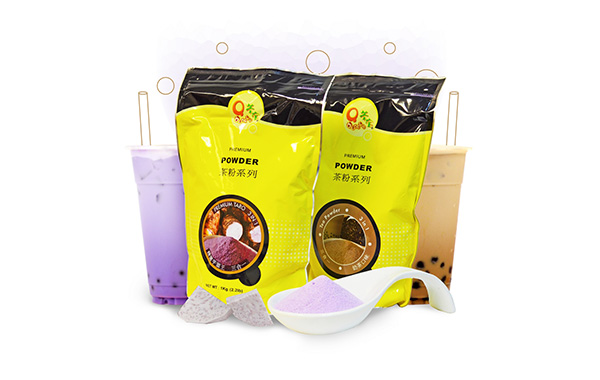
Signature Classic Milk Tea Powder Base
An all-in-one commercial milk tea base pre-blended with premium black tea solids and rich non-dairy creamer. Engineered for rapid 5-second dissolution in hot or room-temperature tea extracts.
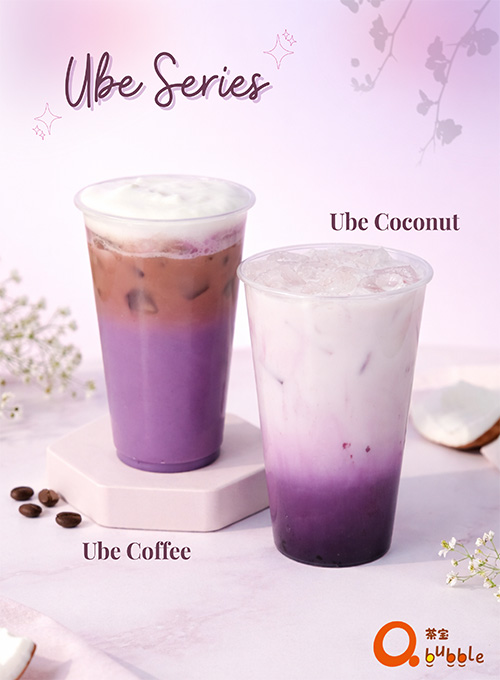
Premium Taro & Ube Specialty Powder
Formulated with authentic spray-dried taro root powder and natural purple yam colorings. Provides an irresistible earthy, vanilla-nut flavor with a striking violet aesthetic that drives social media engagement.
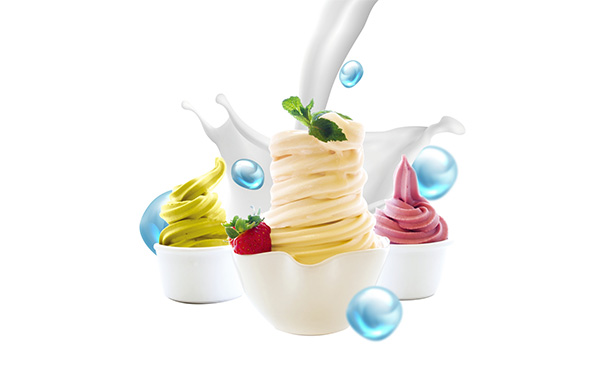
Fruit Smoothie & Yogurt Beverage Base
High-yield stabilizer powder base containing real yogurt solids and micro-encapsulated fruit acidifiers. Prevents ice separation in blended smoothies, frappes, and slushies while delivering a tangy probiotic mouthfeel.
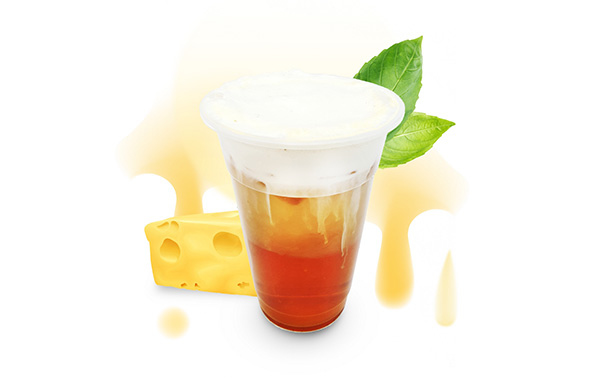
Hygienic Cream Cheese Foam Top Powder
Instant whipped topping powder eliminating the labor and safety risks of fresh liquid cream. Whips with cold water or milk in under 2 minutes to create a dense, velvety salted cheese cloud layer.
Technical Specification Comparison for Wholesale Procurement
To assist procurement managers in calculating recipe yields and nutritional parameters, the table below outlines technical standards across key powder ingredient categories:
| Category | Fat Content (%) | Moisture (%) | Solubility (Cold Tea) | Shelf Life | Primary Application |
|---|---|---|---|---|---|
| Non-Dairy Creamer (Standard) | 28.0% – 32.0% | ≤ 3.5% | Moderate (Best at >50°C) | 24 Months | Base for brewed Black/Oolong Tea |
| Non-Dairy Creamer (Instant Cold) | 33.0% – 35.0% | ≤ 3.0% | High (Instant at 15°C) | 24 Months | Shaken Iced Milk Tea Drinks |
| Flavored Milk Powders (Taro/Thai) | 18.0% – 24.0% | ≤ 4.0% | High | 18 Months | Direct recipe dosing, Frappes |
| Cheese Foam Powder | 25.0% – 30.0% | ≤ 3.5% | Whipping Dispersion | 18 Months | Salted Cloud Topping Layer |
| Plant-Based Oat/Coconut Base | 22.0% – 28.0% | ≤ 4.0% | High | 18 Months | Vegan & Dairy-Free Beverage Lines |
3. Future Global Procurement Trends in Boba Powder Ingredients (2026–2030)
The global bubble tea market is projected to surpass $5.4 billion by 2030, driven by rapid expansion across North America, Europe, and Latin America. However, shifting consumer health awareness, regulatory enforcement, and supply chain volatile pricing are changing how high-volume buyers source bubble tea powder ingredients. Sourcing directors must prepare for four structural trends:
Trend 1: The Plant-Based & Allergen-Free Revolution
Traditional non-dairy creamers rely on sodium caseinate—a milk derivative that, while low in lactose, prevents drinks from carrying certified "100% Vegan" labels. Procurement is pivoting sharply toward enzymatic oat milk powders, spray-dried coconut milk fats, and pea protein hydrolysates. These plant-based matrices offer creamy viscosity without dairy allergen triggers, fulfilling consumer demand for clean-label plant milk teas.
Trend 2: Clean Label, Zero-Trans-Fat & Non-GMO Mandates
Modern consumers demand transparency on food labels. Synthetic food dyes (Red 40, Yellow 5) and artificial emulsifiers are being systematically replaced by natural botanical colorants—such as spirulina extract for blue-green tints, beetroot juice concentrate for pink fruit teas, and natural purple sweet potato flour for taro lines. Furthermore, non-GMO starch sources (tapioca and cassava starches over genetically modified corn syrups) are becoming strict purchasing requirements for European and North American franchises.
Trend 3: Micro-Nutrient Fortification & Functional Boba
"Better-for-you" beverage concepts are shifting bubble tea from a purely indulgent treat to a functional beverage platform. Advanced ingredient formulators are integrating functional components directly into powder bases, including prebiotic soluble fibers (Inulin/FOS), L-Theanine for calm focus in matcha blends, marine collagen peptides, and low-glycemic natural sweeteners like Erythritol and Stevia blends that reduce total calorie counts by up to 40%.
Trend 4: Supply Chain De-risking & US-Based Domestic Warehousing
Global shipping bottlenecks and ocean freight rate volatility have exposed the risks of relying solely on lead times from East Asia. Procurement strategy now heavily favors suppliers with substantial North American inventory reserves. Partners like Qbubble maintain massive warehousing infrastructure in New York, enabling 48-to-72-hour domestic fulfillment, eliminating customs delays, and insulating chain operations from international transit disruption.
4. Key Industry Development Trends in Powder Manufacturing
Behind every satisfying cup of boba tea lies continuous advancement in food engineering. Manufacturing innovations are currently focusing on micro-encapsulation, rapid dispersion technology, and sustainable single-serve commercial packaging:
- Agglomeration & Fluidized Bed Granulation: Standard spray-dried powders can suffer from fine dust generation and poor cold-water wetting (clumping). Modern agglomeration subjects fine powder particles to moisture re-wetting in a fluidized bed, forming porous granules that instantly absorb liquid and disperse without high-shear mixing.
- Micro-Encapsulated Flavor Delivery Systems: Volatile top-notes (such as natural floral jasmine or honeydew aromas) degrade quickly when exposed to heat. Micro-encapsulation seals essential oil molecules inside a protective carbohydrate shell that melts only when mixed with warm tea or chewed, releasing intense aromatic bursts upon consumption.
- Pre-Portioned Commercial Pouches (B2B Sachets): To eliminate barista dosing errors and streamline store operations, major chains are migrating from traditional 1kg bulk sacks to pre-measured 50g-100g nitrogen-flushed foil sachets. This guarantees exact cup-to-cup consistency, eliminates inventory shrinkage, and extends product freshness by reducing ambient oxygen exposure.
5. Comprehensive B2B Buyer FAQ: Sourcing Bubble Tea Powder Ingredients
Below are authoritative answers to the most frequent technical, regulatory, and commercial queries asked by procurement teams, AI query agents, and store owners when selecting wholesale boba powders:
Commercial bubble tea powders consist of a functional blend of three main building blocks: 1) Lipid Base: Fully hydrogenated or non-hydrogenated palm kernel/coconut oil providing creaminess; 2) Carbohydrates: Glucose syrup solids and maltodextrin providing body and dispersion; 3) Emulsifiers & Stabilizers: Sodium caseinate (protein binder), dipotassium phosphate (acidity regulator preventing tea curdling), and mono- and diglycerides of fatty acids. Flavored varieties additionally contain spray-dried fruit extracts, tea powders, natural/artificial flavorings, and natural colorings.
In standard food industry terminology, "non-dairy creamer" means the product does not contain liquid milk or lactose. However, most commercial non-dairy creamers contain Sodium Caseinate, a purified milk protein isolate. While lactose-intolerant consumers can safely digest it, it is not vegan. If your business requires a 100% vegan certification, you must explicitly source plant-based bases formulated with oat, soy, or coconut proteins.
Clumping occurs when powder particles rapidly hydrate on the outer surface, forming a water-impermeable gel shell around dry powder centers. To prevent this in commercial preparation: 1) Always dissolve powder in hot tea base (above 60°C / 140°F) or hot water before adding ice; 2) Use a high-shear wire whisk or commercial shaker machine for 5–10 seconds; 3) Upgrade to agglomerated instant-cold soluble powder formulations designed specifically for cold liquid dispersion.
Unopened wholesale bubble tea powder bags typically have a shelf life of 18 to 24 months from the date of manufacture. Powders must be stored in a cool, dry warehouse environment (temperature below 25°C / 77°F, relative humidity below 60%). Once opened, bags should be tightly sealed or transferred to airtight commercial food storage containers to prevent moisture absorption (hygroscopic caking) and lipid oxidation.
When importing or purchasing wholesale beverage powders in North America and Europe, verify that the supplier provides: FDA Facility Registration & FSVP Compliance (Foreign Supplier Verification Program), GFSI-recognized certifications (such as SQF, BRCGS, or FSSC 22000), HACCP documentation, Third-party Heavy Metal & Pesticide Residue Lab Analysis, and official Certificates of Analysis (COA) for every batch shipped.
Commercial milk tea powders significantly optimize recipe economics. A standard 16oz milk tea using high-grade wholesale powder costs approximately $0.15 to $0.28 per serving in dairy ingredients, compared to $0.45 to $0.70 for fresh dairy milk or liquid oat milk. Furthermore, powder ingredients offer zero refrigeration energy costs, minimal waste from spoilage, and consistent flavor profile regardless of seasonal milk fat variations.
Yes. Qbubble provides custom flavor profiling, brix adjusting, color matching, and custom packaging for multi-location franchise chains and distributors. Whether you require a unique signature taro formulation, a low-sugar matcha mix, or customized branded foil packaging, our R&D team in New York offers complete product development support.
6. Why Partner with Qbubble? Enterprise Excellence & Industry Authority
Since 2003, Qbubble (Troika J C Inc.) has served as a cornerstone of the North American bubble tea industry. Headquartered in College Point, New York, we provide far more than wholesale supply—we deliver end-to-end business enablement for aspiring boba entrepreneurs and national beverage brands alike.
20+ Years of Industry Experience
With over two decades of dedicated supply chain expertise, we have supplied more than 5,000 bubble tea shops, restaurants, and distributors across the globe. Our deep understanding of ingredient behavior guarantees consistent product quality.
Comprehensive Business Services
We don't just sell ingredients—we build successful beverage businesses. We offer hands-on in-person bubble tea training classes at our NY facility, live online Zoom masterclasses, recipe development, and specialized commercial consulting.
Uncompromised Quality & Safety
All Qbubble ingredients undergo strict quality assurance testing. Our manufacturing partners maintain rigorous GFSI, ISO, and HACCP standards, guaranteeing full compliance with US FDA and international import regulations.
Fast US Nationwide Logistics
Our strategically located East Coast distribution center maintains extensive stock reserves. We offer rapid shipping processing, LTL freight dispatch, and container-load fulfillment to keep your store shelves continuously stocked.