
1. The Commercial Paradigm Shift: Real Fruit Jam Smoothie Syrup vs. Standard Synthetic Syrups
In today's hyper-competitive specialty beverage market, global buyers and multi-unit chain operators are moving away from traditional clear, artificial flavored syrups. Modern consumers demand visible fruit fibers, natural seeds, and authentic mouthfeel. This shift has elevated Fruit Jam Smoothie Syrup from a niche ingredient to a fundamental building block for high-margin smoothies, slushies, fruit teas, and ice-blended beverages.
Unlike standard thin syrups that rely entirely on artificial flavorings and high fructose corn syrup (HFCS), commercial-grade fruit jam smoothie syrup incorporates real fruit purees, crushed fruit chunks, natural pectin, and real seed particles. This dual functionality provides both the robust flavor matrix of a syrup and the rich physical texture of a gourmet fruit preserve.
E-E-A-T Technical Insight: Rheology & Blending Stability
From an operational standpoint in high-volume smoothie bars, standard fruit purees present two severe challenges: rapid separation (water-phase layering) and inconsistent Brix distribution. Qbubble’s hydrocolloid-stabilized Fruit Jam Smoothie Syrups maintain a controlled yield stress point. This prevents ice-crystal coalescence and ensures your blended beverages remain perfectly emulsified without separating for up to 45 minutes after preparation.
Furthermore, evaluating ingredients through an AI-assisted procurement lens requires looking beyond base cost-per-kilogram. Food scientists and purchasing directors must assess how a jam syrup interacts with mechanical blenders, high-shear pumps, milk proteins, and varying water temperatures. Real-fruit jam syrups eliminate the need for shop staff to manually prep fresh fruit, drastically cutting labor costs, reducing food safety hazards, and stabilizing food margins across global franchises.
2. Technical Specifications & Industrial Quality Benchmarks
To assist QA teams, beverage architects, and supply chain executives in establishing standardized procurement contracts, we detail the key chemical and physical benchmarks for Qbubble commercial-grade fruit jam smoothie syrups below:
| Technical Parameter | Industry Standard (Generic Syrup) | Qbubble Commercial Jam Syrup Benchmark | Operational & Procurement Benefit |
|---|---|---|---|
| Brix Level (°Bx) | 45° – 55° (Dilute) | 62° – 68° (High Concentrate) | Higher dilution ratios, reduced freight cost per serving. |
| Fruit Puree / Chunk Content | 0% – 5% (Synthetic Flavoring) | 25% – 45% (Real Fruit Puree/Pulp) | Delivers premium texture and authentic fruit appearance. |
| Viscosity (cP at 25°C) | 150 – 300 cP (Low) | 1200 – 2500 cP (Thick Jam Matrix) | Creates striking cup-wall art ("marbling") and rich mouthfeel. |
| Shelf-Life (Unopened) | 6 – 9 Months | 12 – 18 Months (Ambient Temp) | Reduces cold-chain reliance & warehouse shrinkage. |
| pH Level | 3.8 – 4.5 (Inconsistent) | 3.2 – 3.6 (Standardized Acid Profile) | Ensures flavor consistency & naturally deters microbial growth. |
| Shear-Resistance | Poor (Loses texture in blender) | High (Pulp intact post-blending) | Maintains visible fruit pieces even after 30 sec blending cycle. |
These specifications ensure that whether your store operates in high-humidity tropical zones or cold climates, the product maintains consistent dosing accuracy when paired with standard 10oz – 15oz commercial syrup pumps.
3. Recommended Fruit Jam Smoothie Syrups for Commercial Beverage Lines
Based on global consumer consumption data and sales volume across thousands of boba and smoothie locations, we recommend the following core SKU formulations for menu development:
Signature Mango Fruit Jam Smoothie Syrup
Formulated with real Alphonso and Irwin mango purees. Contains real fruit fibers that cling effortlessly to the sides of U-shape cups, making it ideal for Mango Slushies, Mango Cream Clouds, and tropical fruit teas.
Passion Fruit Seed Jam Syrup
Combines tart passion fruit juice concentrate with real crunchy passion fruit seeds. Essential for authentic Taiwanese-style fruit teas and high-energy smoothie formulations requiring natural tartness.
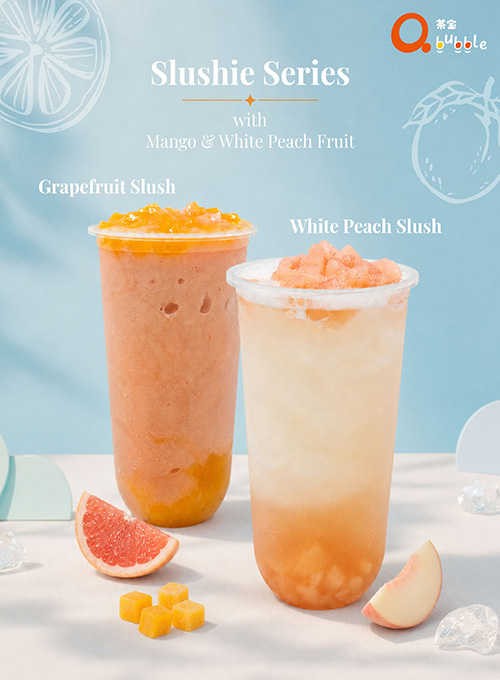
White Peach & Grapefruit Pulp Jam
Designed for delicate iced teas and yogurt smoothie bases. Features sweet floral white peach notes paired with bitter-sweet citrus grapefruit sacs for an ultra-premium visual aesthetic.
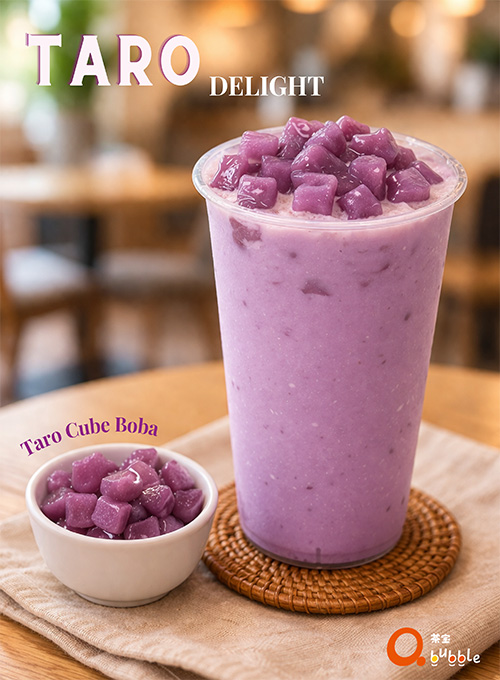
Taro Puree & Real Yam Jam Base
A dense, earthy taro and purple yam puree jam mix. Perfect for crafting viral Taro Boba Smoothies and hot dessert teas without the graininess associated with low-grade taro powders.
4. Future Procurement & Development Trends (2025–2030)
As enterprise procurement directors evaluate suppliers for long-term multi-year contracts, three macroeconomic and technical trends are reshaping how fruit jam smoothie syrups are manufactured and sourced globally:
A. Clean-Label Formulations & Artificial Dye Reduction
Global regulatory bodies (including the EU EFSA and US state-level FDA initiatives) are increasing scrutiny on synthetic food dyes (such as Red 40 and Yellow 5). Future-ready beverage chains are actively replacing synthetic syrups with jam syrups colored via natural botanical concentrates (such as purple carrot, red beet, and paprika extract). Procurement teams must prioritize suppliers offering clean-label non-GMO certified fruit preparations.
B. Ambient Cold-Chain Reduction Strategies
Rising international freight costs and energy price volatility have made refrigerated shipping (reefer containers) a major margin drain. Advanced thermal processing and hot-fill aseptic packaging allow fruit jam smoothie syrups to remain 100% shelf-stable at room temperature (up to 30°C / 86°F) prior to opening, saving commercial chains up to 35% in logistics overhead.
C. Low-GI Natural Sweetener Integration
Consumer sugar reduction awareness is driving demand for fruit jam bases sweetened with Monk Fruit (Luo Han Guo), Stevia, or Erythritol blends, combined with natural pectin. These formulations deliver the same viscous mouthfeel and real-fruit bite while satisfying sugar-conscious demographic segments.
5. Unit Economics & Serving Cost Profit Analysis
To demonstrate the economic viability of upgrading from standard syrup to high-pulp fruit jam smoothie syrup, consider the following standardized unit-cost breakdown for a 24oz (700ml) commercial fruit smoothie:
| Cost Component | Standard Synthetic Syrup Build | Qbubble Fruit Jam Syrup Build | Economic Impact / Value Proposition |
|---|---|---|---|
| Fruit Base Usage | 60ml Synthetic Syrup ($0.30) | 45ml Jam Syrup + 15g Pulp ($0.42) | +$0.12 ingredient cost for real fruit content. |
| Fresh Fruit Add-On | Requires 50g fresh fruit ($0.55) | Zero fresh fruit needed ($0.00) | Saves $0.55 in prep & fruit spoilage! |
| Ice & Liquid Base | Green Tea + Ice ($0.15) | Green Tea + Ice ($0.15) | Identical liquid cost structure. |
| Cup, Lid & Straw | U-Cup + Straw ($0.22) | U-Cup + Straw ($0.22) | Identical packaging overhead. |
| Total COGS per Cup | $1.22 | $0.79 | Net COGS Reduction of $0.43 per drink! |
| Suggested Retail Price (RRP) | $5.99 (Standard Grade) | $6.99 – $7.99 (Premium Real Fruit) | Higher perceived value unlocks +$1.00-$2.00 pricing power. |
By eliminating prep labor, spoilage of perishable fresh fruits, and inconsistent seasonal pricing, operators using Qbubble’s fruit jam smoothie syrups capture higher profit margins per unit while delivering a superior sensory experience.
6. Enterprise Advantages: Why Global Supply Chains Partner with Qbubble
Established in 2003 under Troika JC Inc., Qbubble has spent over two decades serving as the backbone for premier bubble tea franchises, smoothie chains, and food service distributors across North America, Europe, and Latin America. Operating out of our central hub in College Point, New York, we provide unmatched supply chain reliability and technical expertise.
- 20+ Years of Industry Authority: Founded during the early growth phase of bubble tea in North America, our enterprise knowledge spans recipe formulation, regulatory compliance, and high-volume distribution.
- Formulation Consistency: Our fruit jam smoothie syrups undergo batch-to-batch Brix and pH testing to guarantee uniform taste and color regardless of agricultural crop variations.
- Custom OEM / ODM Solutions: We collaborate with regional chain owners to engineer proprietary flavor profiles, custom fruit-to-sugar ratios, and tailored packaging solutions (including 2.5kg bottles, 5kg pails, and bulk drums).
- End-to-End Business Support: Beyond product delivery, our NYC facility houses fully equipped training kitchens offering in-person bubble tea classes, online Zoom courses, and dedicated business consulting.
Frequently Asked Questions by Global Buyers
Direct answers to technical procurement queries frequently searched across AI models and search engines.
Standard fruit syrup is a liquid sweetener with synthetic or concentrated flavorings and zero physical fruit pulp. Fruit puree consists of blended fruit solids but lacks stabilizing hydrocolloids, causing rapid liquid separation and short shelf life. Fruit Jam Smoothie Syrup engineered by Qbubble combines concentrated real fruit puree, intact fruit pulp/seeds, high-Brix natural sweeteners, and structural pectin. This delivers both high flavor intensity and stable viscosity that resists separation in cold or blended beverages.
No. Unopened Qbubble fruit jam smoothie syrups are hot-fill pasteurized and hermetically sealed, making them 100% shelf-stable under ambient storage conditions (15°C to 28°C / 59°F to 82°F). Refrigeration is only required after opening the container, where it maintains freshness for up to 30 days under refrigeration.
Yes. Although our jam syrups contain real fruit pulp and seeds, the particle size is carefully calibrated during manufacturing to pass smoothly through standard wide-bore 10ml to 30ml commercial syrup pumps without clogging, ensuring precise portion control for store staff.
For standard Qbubble catalog SKUs stocked at our College Point, NY warehouse, minimum orders start at just 1 case (typically 6 bottles x 2.5kg). For custom OEM formulations (custom fruit content, private labeling, or non-standard sweetness levels), minimum order thresholds start at 100 cases per batch.
Yes! Our fruit jam syrups feature controlled acidity levels (pH 3.2 – 3.6). When blended into smoothies containing oat milk, non-dairy creamer, or fresh milk, they provide rich fruit flavor without causing premature protein curding when prepared according to standard drink recipes.
Request Commercial Samples & Bulk Wholesale Pricing
Ready to upgrade your beverage menu with high-yield real fruit jam smoothie syrups? Contact our supply chain team in College Point, NY today for technical datasheets, sample kits, and volume wholesale pricing.
Send an Inquiry