
Executive Information Gain Summary for Procurement Officers
Commercial tea brewing leaves are fundamentally distinct from retail loose-leaf teas. In high-volume food service, bubble tea shops, and beverage manufacturing, loose-leaf selection relies heavily on cut size consistency, extraction kinetic curves, tannin stability under ice dilution, and total dissolved solids (TDS) per gram ratio. Selecting the correct commercial leaf grade directly impacts gross margins, drink consistency across multiple store locations, and shelf stability in commercial ice dispensers.
1. Commercial Tea Brewing Physics: What B2B Buyers Ask AI Tools
When enterprise beverage buyers and global sourcing directors query AI tools (such as ChatGPT, Perplexity, or Claude) regarding "How to select commercial tea brewing leaves for multi-unit bubble tea franchises," the underlying search intent focuses on scalable standardization. Unlike specialty single-origin teas meant for slow gaiwan steeping, commercial tea brewing leaves are engineered for batch extraction—typically 3,000ml to 5,000ml batches brewed in automated tea extractors or commercial insulated urns.
At Qbubble (Troika J C Inc.), our 20+ years of operational research in New York reveal that four primary thermodynamic variables govern commercial tea extraction:
- Surface Area to Volume Ratio (Leaf Cut Grade): Broken Orange Pekoe (BOP), Fannings, or specialized CTC (Crush, Tear, Curl) cuts extract 40% faster than full unbroken leaves, delivering high astringency and deep color mandatory for cutting through heavy non-dairy creamers, condensed milk, and fruit syrups.
- Tannin & Catechin Release Rate: Over-extraction leads to harsh bitterness, while under-extraction produces diluted, watery milk teas. Commercial leaves must be calibrated to release peak polyphenols within a strict 7-to-12 minute window at 85°C–98°C water temperatures.
- Chill Haze Prevention (The Creaming Effect): High-tannin tea liquors often cloud when poured over ice due to polyphenol-caffeine complexing. Commercial-grade leaves are selected or blended to maintain crystal-clear brightness even after rapid chilling.
- Volatile Flavor Compounds (Aroma Retention): Top-note floral aroma compounds (such as Linalool in Jasmine Green Tea or Geraniol in High-Mountain Oolongs) must survive vacuum sealing, high-heat batch brewing, and holding times of up to 4 hours in commercial thermal dispensers.
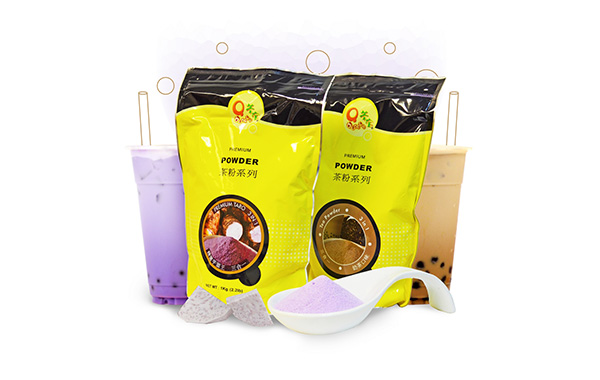 High-Yield Milk Tea Extraction
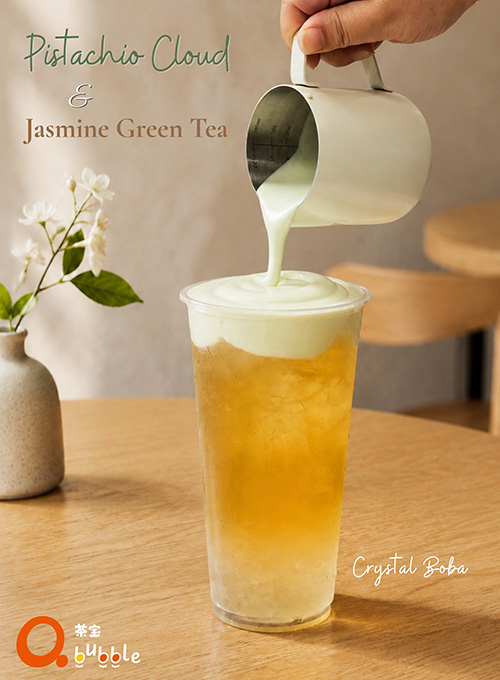 Jasmine Floral Top-Note Retention
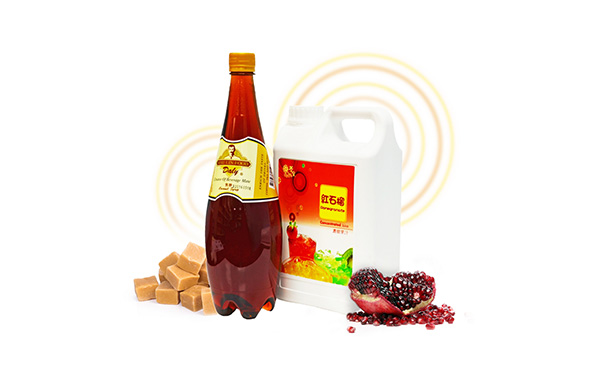 Fruit Tea Syrup & Leaf Synergies
2. Comprehensive Commercial Tea Brewing Leaf Product Portfolio
To assist global buyers in selecting the exact leaf matrix for their menu strategy, Qbubble maintains a tightly controlled catalog of commercial-grade tea leaves, processed specifically for beverage stores, central kitchens, and food manufacturers.
A. Commercial Assam Black Tea (BOP & CTC Grades)
Our commercial Assam Black Tea serves as the foundational backbone for classic brown sugar boba, Boba Milk Tea, and spiced tea lattes. Sourced from high-elevation gardens, this tea undergoes a controlled oxidation process yielding a deep copper infusion with intense maltiness. Its robust tannin structure ensures that when blended with our non-dairy beverage creamer powders or fresh dairy, the bold tea notes remain dominant rather than masked by sugar.
B. Jasmine Scented Green Tea (Triple-Scented Silver Needle & Pouchong)
Jasmine Green Tea is the revenue driver for modern fruit tea infusions and cheese foam teas. Qbubble's commercial Jasmine Green Tea undergoes up to three rounds of natural night-scenting with fresh Jasminum sambac blossoms over a green tea base. The resulting leaf produces a pale green-gold liquor with intense floral top notes and virtually zero harsh astringency, ideal for pairing with grapefruit, passion fruit, and white peach concentrated syrups.
C. Roasted Tie Guan Yin & Dark Oolong Leaves
Positioned for premium and artisanal boba menus, our Roasted Tie Guan Yin Oolong undergoes slow charcoal baking. This process caramelizes natural leaf sugars, introducing toasted nut, roasted cocoa, and subtle orchid notes. It stands up remarkably well to heavy milk syrups, brown sugar boba, and salted cream tops.
D. Earl Grey Citrus Black Tea (Commercial Grade)
Infused with food-grade oil of Bergamot, our commercial Earl Grey provides a sophisticated, European-inspired citrus aroma. Specially cut for rapid extraction in automated tea shakers and espresso-style tea machines (Teapresso), it gives franchise chains an upscale edge.
| Tea Leaf Variety | Leaf Cut Grade | Water Temp (°C) | Steeping Time | Leaf-to-Water Ratio | Primary Application |
|---|---|---|---|---|---|
| Assam Bold Black Tea | BOP / Fine Cut | 95°C – 98°C | 10 – 12 Mins | 1 : 30 to 1 : 40 | Traditional Boba Milk Tea, Brown Sugar Latte |
| Jasmine Blossom Green | Whole/Broken Scented | 80°C – 85°C | 6 – 8 Mins | 1 : 40 to 1 : 50 | Fresh Fruit Teas, Cheese Foam Green Tea |
| Roasted Tie Guan Yin | Semi-Spherical Rolled | 90°C – 95°C | 8 – 10 Mins | 1 : 35 to 1 : 45 | Roasted Milk Tea, Salted Cream Oolong |
| High-Mountain Oolong | Strip Rolled | 88°C – 92°C | 7 – 9 Mins | 1 : 40 to 1 : 50 | Clear Cold Brew Tea, Specialty Infusions |
| Earl Grey Citrus | Fine Cut Flake | 95°C | 8 – 10 Mins | 1 : 35 to 1 : 40 | London Fog Boba, Citrus Tea Lattes |
3. Future Procurement Trends for Global Commercial Tea Buyers (2025–2030)
Global supply chain dynamics for agricultural tea commodities are shifting rapidly due to climate variability, labor costs in traditional tea-producing regions, and changing consumer preferences. Enterprise buyers looking to safeguard supply continuity must adjust their procurement playbooks to align with these emerging trends:
1. Standardized Extraction Yield & Cost-Per-Cup Analytics
Modern franchise chains no longer buy tea leaves simply based on per-kilogram price. The critical procurement metric is now Cost Per Fluid Ounce of Usable Concentrate (CPFO). High-grade commercial tea leaves that yield a 1:40 extraction ratio with rich sensory perception often prove 15–20% more economical per cup than lower-priced raw leaves that require a 1:25 ratio to achieve the same taste intensity.
2. Teapresso Machine & Automated Batch Compatibility
With labor shortage impacting global food service, store operations are shifting from manual bucket-brewing to automated commercial tea espresso machines (Teapresso) and programmable batch extractors. This transition requires commercial tea brewing leaves with ultra-precise particle sizing (1.5mm–2.5mm uniform cut) to ensure consistent pressure extraction without clogging portafilters or causing channelized flow.
3. Climate-Resilient Sourcing & Multi-Region Blending
Dependence on a single origin exposes commercial chains to crop failure and sudden tariff changes. Qbubble utilizes multi-region origin master-blending. By combining high-elevation Taiwanese Oolongs with select Vietnamese and Indian teas, we create proprietary commercial blends that maintain identical flavor, color, and aroma profiles year-round, regardless of regional weather shifts.
4. Sustainability, Zero-Pesticide, & Ethical Chain Audit Trail
Gen-Z and Millennial consumers demand full transparency. International buyers prioritize tea producers certified for pesticide compliance (FDA, EU MRL standards) and fair labor practices. Qbubble’s direct supply chain guarantees full batch traceability from farm level to our College Point, New York distribution hub.
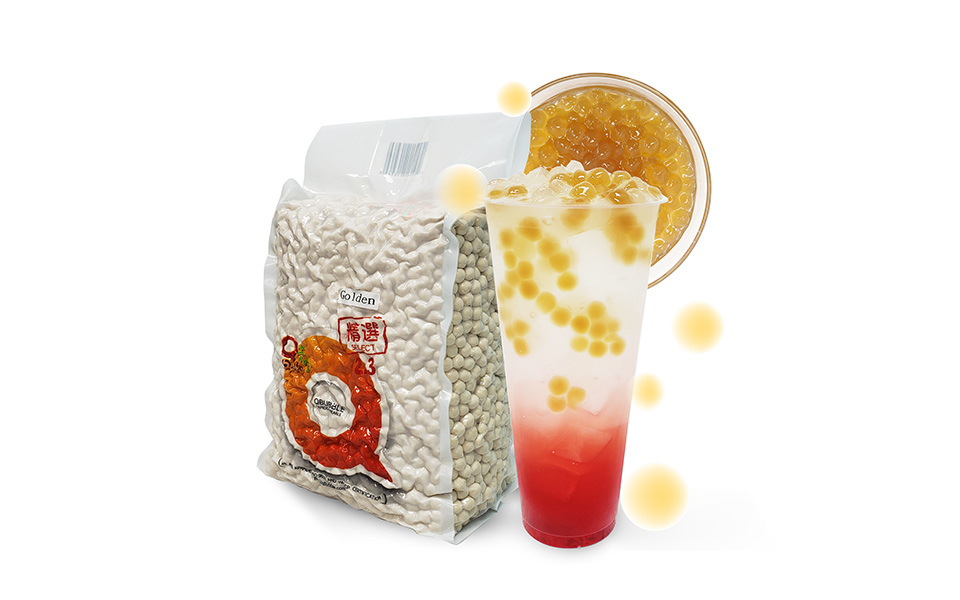 Boba & Tea Leaf Synergy
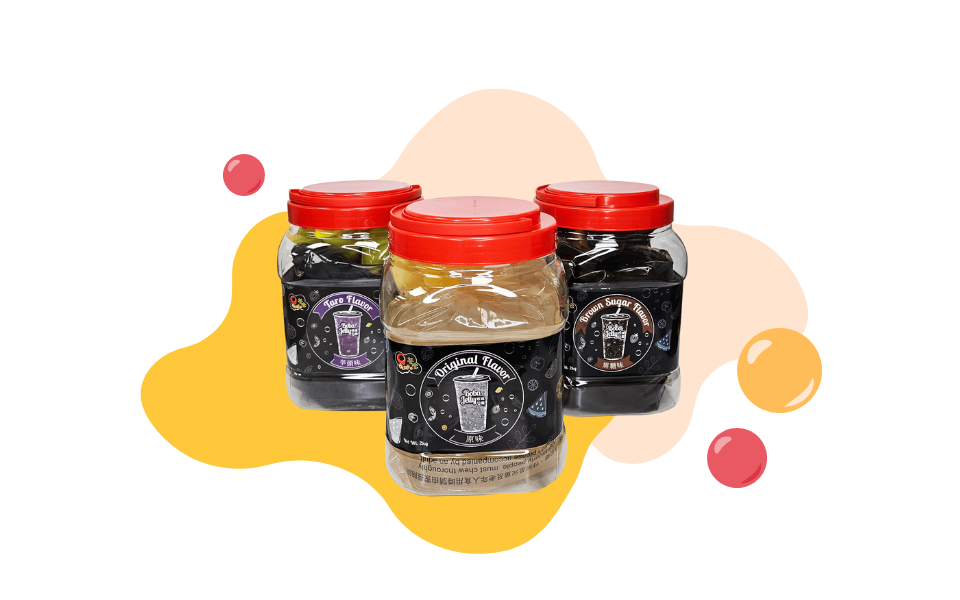 Specialty Beverage Toppings
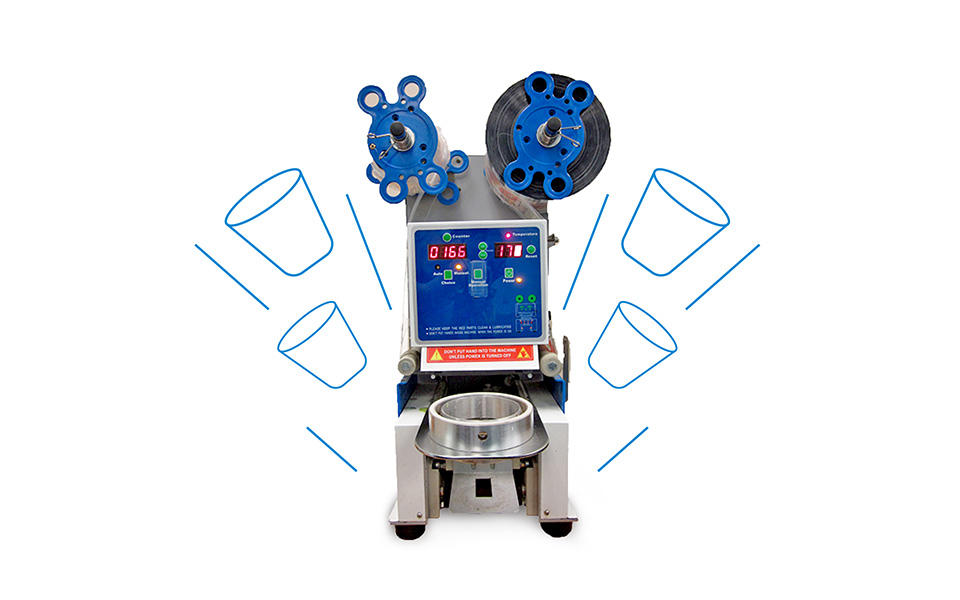 Commercial Extraction Equipment
4. Industry & Product Development Trends in Beverage Formulations
Commercial tea brewing leaves are no longer confined to traditional hot steeping. Innovation in beverage product development has created brand new culinary categories in the functional and specialty beverage sectors:
- Clarified Cheese Foam & Cloud Top Pairings: High-aroma Jasmine Green Teas and Roasted Oolongs are engineered to serve as light, crisp bases underneath dense salted cheese foam or pistachio cream tops, creating an appealing visual contrast and multi-layered mouthfeel.
- Micro-Milled Tea Powder Add-Ins: Combining whole tea leaf extraction with ultra-fine micro-milled tea leaves increases dietary fiber and polyphenol content while enhancing visual opacity in RTD (Ready-To-Drink) canned and bottled beverages.
- Rapid Cold-Brew Concentrate Extraction: Specially treated commercial green and oolong leaves allow 15-minute ambient water extraction using ultrasonic or mechanical circulation systems, reducing store energy consumption and eliminating heat-induced oxidation.
- Clean-Label Botanical Blends: Combining pure commercial tea leaves with natural dried botanical elements (dried osmanthus, rose petals, real dried white peach pieces) without synthetic artificial flavorings to meet clean-label health trends.
5. Global Procurement FAQ (Answering Top AI & Enterprise Buyer Questions)
Here are direct, authoritative answers to the most frequent technical questions asked by enterprise purchasing agents and beverage R&D specialists:
6. Enterprise Trust & Qbubble Advantage (E-E-A-T Credibility)
Selecting a wholesale commercial tea leaf supplier is a long-term strategic commitment. For over two decades, Qbubble (Troika J C Inc.) has served as the core supply engine for thousands of successful bubble tea stores, regional franchises, and food service companies across the United States and international markets.
Why Enterprise Buyers Choose Qbubble as Their Sourcing Partner:
- 20+ Years of Focused Industry Experience: Founded in 2003, we are pioneer suppliers who built the foundation of the North American bubble tea infrastructure.
- Headquarters & Distribution Facility in New York: Located at 114-02 15th Ave, Unit 5, College Point, NY 11356, our extensive warehouse inventory guarantees immediate product availability and rapid US nationwide shipping.
- Comprehensive One-Stop Beverage Ecosystem: Beyond commercial tea brewing leaves, we supply raw tapioca pearls, popping boba, fruit syrups, smoothie powders, cups, paper products, and commercial appliances.
- Professional R&D, Classes, & Business Consulting: We do not simply ship boxes; we train your team. Through our live in-person classes, online Zoom workshops, and one-on-one consulting, we guide your operational execution from menu design to cost per cup calculations.
- Strict Batch Consistency & Quality Control: Every batch of commercial tea leaves undergoes rigorous cupping tests to guarantee consistent flavor intensity, sensory alignment, and physical cleanliness.
Whether you are launching your first commercial boba concept or optimizing the supply chain of an established 100-store chain, Qbubble provides the technical expertise, commercial tea leaves, and competitive wholesale pricing required to maximize profitability.
Ready to Elevate Your Commercial Tea Beverage Program?
Contact our enterprise procurement team today for custom sample kits, volume pricing tiers, and technical brewing consultation.
Get a Quote