Blog

Top 10 Coffee All In One Powder Suppliers Worldwide

Top 10 Coffee All In One Powder Suppliers Worldwide

Choosing a reliable Coffee All In One Powder supplier requires more than comparing prices or attractive packaging. Global buyers need consistent flavor, stable solubility, safe ingredients, and dependable delivery. This guide presents ten notable suppliers worldwide for importers, café groups, distributors, and private-label brands. Each supplier is considered through practical criteria, including coffee origin, powder technology, ingredient transparency, quality control, certifications, production capacity, and customization options. A well-made blend should dissolve smoothly in hot water, leave a balanced aroma, and maintain its taste across different batches. Packaging also matters, especially when products face long shipping routes, humid warehouses, or repeated handling. Taste matters. Details matter. Supplier performance can change by region, order volume, and contract terms. A company may offer excellent flavor but limited customization. Another may provide flexible packaging yet require larger minimum orders. These trade-offs deserve honest attention. Product samples, technical documents, factory audits, and recent customer references should support any final decision. The selected companies represent different strengths rather than one universal standard. Some focus on premium coffee blends, while others serve high-volume foodservice markets. Their capabilities may also evolve as equipment, regulations, and consumer preferences change. Buyers should verify current certifications, ingredient specifications, lead times, and shipping conditions before placing an order. This introduction sets the context for comparing ten international suppliers with a practical, evidence-based perspective.
Read more »
Isabella By:Isabella - November 1, 2026
7 Tips for Buying Brown Sugar Boba Syrup

7 Tips for Buying Brown Sugar Boba Syrup

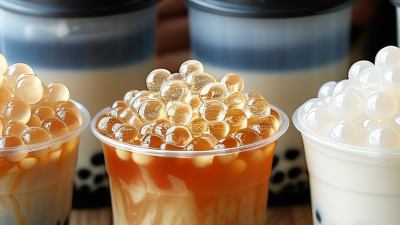
Choosing the right Brown Sugar Boba Syrup can transform an ordinary milk tea into a memorable drink. The best bottle should offer deep caramel notes, balanced sweetness, and a smooth texture. It should also blend naturally with tea, milk, and chewy tapioca pearls. Mei Lin, a beverage formulation consultant, explains, “A good syrup should support the tea, not bury it.” This simple idea matters when comparing products. Some syrups smell rich but taste thin after dilution. Others look beautifully dark yet leave a harsh, burnt finish. Appearance can mislead. These seven tips focus on practical buying decisions. They examine ingredients, flavor intensity, viscosity, packaging, shelf life, serving flexibility, and overall value. A useful test involves one spoonful in warm milk tea. Notice the aroma first. Then check whether the sweetness arrives too quickly. Finally, taste the finish after swallowing. Small details reveal product quality. A syrup that pours slowly may coat the cup attractively. However, excessive thickness can make portion control difficult. A cheaper bottle may seem economical, but inconsistent flavor creates waste. The most expensive option is not automatically the best one. There is room for honest uncertainty. Personal taste changes the result. A roasted flavor that suits black tea may overpower jasmine tea. Start with measured portions. Keep notes. Compare products under the same conditions. The goal is not finding a perfect syrup. It is finding a reliable Brown Sugar Boba Syrup that performs well in your preferred recipes.
Read more »
Liam By:Liam - October 27, 2026
2026 Best Cream Cheese Foam Powder Suppliers?

2026 Best Cream Cheese Foam Powder Suppliers?

Choosing the 2026 best Cream Cheese Foam Powder suppliers requires more than comparing prices or attractive packaging. Buyers need reliable texture, clean flavor, stable supply, and clear technical documentation. A good powder should create a smooth, spoonable foam with gentle tanginess. It should also dissolve evenly in cold milk tea, fruit tea, coffee, and dessert beverages. Michael Chen, a beverage formulation consultant with experience in powdered toppings, offers a practical reminder: “A stable foam must taste good before it looks good.” That principle matters during supplier evaluation. Some samples look impressive for five minutes, then separate, flatten, or leave a chalky aftertaste. Small details reveal quality. Check the mixing ratio, whisking time, foam height, storage conditions, and performance after refrigeration. Request recent batch samples, ingredient specifications, allergen statements, and quality-control records. Consistency is the real test. This guide examines suppliers through product performance, manufacturing experience, customization options, food-safety practices, and customer support. It also considers minimum order quantities, private-label services, export readiness, and response speed. These factors can affect a café’s daily workflow and customer experience. There is no perfect supplier for every market. A premium formula may exceed a small shop’s budget. A low-cost product may require extra stabilizer or labor. That trade-off deserves honest attention. Some supplier claims also need independent verification, especially when they mention “natural,” “clean label,” or extended shelf life. Our comparison aims to help beverage brands choose carefully, test realistically, and avoid decisions based only on marketing language.
Read more »
Isabella By:Isabella - October 22, 2026
5 Tips for Fast Cook Taro Cube Boba Sourcing?

5 Tips for Fast Cook Taro Cube Boba Sourcing?

Fast Cook Taro Cube Boba is moving from a niche topping to a practical menu ingredient. Global bubble tea market estimates support this momentum. Grand View Research valued the market at approximately USD 2.75 billion in 2022, with an estimated 8.9% CAGR from 2023 to 2030. These figures vary by research method, but the direction is clear: buyers need speed, consistency, and dependable supply. Sourcing this product requires more than comparing unit prices. A reliable supplier should provide cooking-time data, ingredient specifications, batch traceability, and a current certificate of analysis. Check the taro content, starch source, cube size, moisture level, and storage conditions. USDA and FAO food-safety guidance also reinforces the importance of hygienic processing, temperature control, and documented traceability. Small details matter. A two-minute cooking difference can change drink texture during a busy afternoon shift. Consumer expectations add another layer. Innova Market Insights’ 2024 trend reporting highlights interest in convenient products with clear ingredients and credible quality claims. That makes transparent labeling increasingly valuable for importers and beverage chains. Still, sourcing decisions are rarely perfect. A supplier may offer an attractive price but weak packaging. Another may promise fast delivery without proving seasonal capacity. This guide examines five practical checks for Fast Cook Taro Cube Boba, from supplier verification to sample testing and landed-cost review. The goal is not simply faster cooking. It is a stable topping that reaches the cup safely, consistently, and with fewer unpleasant surprises.
Read more »
Emma By:Emma - October 17, 2026
2026 Top Jasmine Green Tea Wholesale Suppliers?

2026 Top Jasmine Green Tea Wholesale Suppliers?

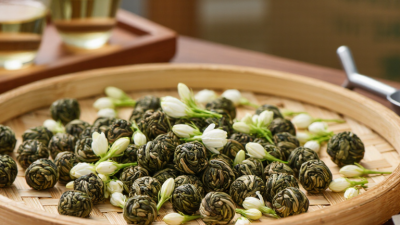
Choosing the right Jasmine Green Tea Wholesale supplier in 2026 requires more than comparing prices. Buyers must examine leaf quality, jasmine origin, scenting methods, production records, and delivery reliability. A low quote may hide older tea, weak fragrance, or inconsistent batches. Tea writer and educator James Norwood Pratt wrote, “Jasmine tea is the most popular scented tea in China.” Its popularity still depends on careful craftsmanship. Fresh jasmine blossoms are layered with green tea, sometimes repeatedly, to create a clear floral aroma. The best suppliers can explain these cycles, not simply describe the tea as “premium.” This guide examines the 2026 Top Jasmine Green Tea Wholesale Suppliers through practical purchasing criteria. It considers tea-growing regions, harvest seasons, minimum order quantities, private-label support, laboratory testing, packaging quality, and export experience. Samples matter. A dry leaf may look bright, yet the brewed cup can taste flat or overly perfumed. Ask for traceability documents. Also check storage conditions. Heat and moisture can dull jasmine’s fragrance before the shipment reaches your warehouse. Reliable suppliers provide consistent specifications, responsive communication, and realistic lead times. Certifications can support trust, but they should be verified rather than accepted blindly. No ranking is permanent. Freight costs, harvest quality, and supplier capacity may change during 2026. Some smaller producers may offer exceptional tea but lack polished websites. That is an uncomfortable limitation. Therefore, this overview favors evidence, tasting results, and transparent business practices over marketing language. The final choice should match your market, budget, and quality expectations.
Read more »
Liam By:Liam - October 12, 2026
10 Tips for Choosing Commercial Tea Brewing Leaves

10 Tips for Choosing Commercial Tea Brewing Leaves

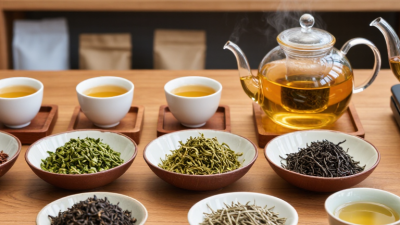
Choosing Commercial Tea Brewing Leaves is a practical decision, not a simple buying exercise. The right leaves influence flavor, consistency, brewing speed, and customer satisfaction. A bright black tea may suit breakfast service, while a delicate green tea can require cooler water and shorter steeping. Small details matter. Leaf size, harvest quality, moisture, packaging, and storage conditions can change the final cup. This guide presents 10 useful tips for evaluating tea leaves in a commercial setting. The recommendations reflect common tasting practices, supplier checks, and real service demands. I have learned that attractive packaging does not guarantee a reliable brew. My early trials sometimes focused too much on aroma. That was a mistake. A tea may smell impressive before brewing but taste thin after several minutes. Not every first trial works. Careful sampling helps. Compare several batches using the same water, temperature, weight, and steeping time. Record the results honestly. Check whether the flavor remains stable during busy service, not only during a quiet tasting. A dependable supplier should provide clear origin details, production information, food-safety documentation, and consistent communication. Still, supplier claims deserve verification. Staff skill, equipment, water quality, and customer preferences also affect performance. The best choice balances sensory quality with cost, availability, and operational simplicity. Expect some compromise. With a structured approach, businesses can select Commercial Tea Brewing Leaves that perform consistently from the first morning cup to the final afternoon order.
Read more »
Liam By:Liam - October 7, 2026
What Is Fruit Jam Smoothie Syrup and How to Use It?

What Is Fruit Jam Smoothie Syrup and How to Use It?

Fruit Jam Smoothie Syrup is a sweet, fruit-based ingredient used to add flavor, color, and body to blended drinks. It is often made from fruit jam, water, juice, or another liquid. Some commercial versions may include sugar, pectin, citric acid, or preservatives. The exact formula varies widely, so reading the label matters. It is not always a standardized product category. That detail deserves attention. One bottle may pour smoothly, while another may contain small fruit pieces. Its sweetness can also differ more than expected. In practical use, start with one tablespoon per smoothie. Blend it with yogurt, milk, plant-based milk, or chilled fruit. Taste the mixture before adding more. For example, strawberry jam syrup pairs well with banana and plain yogurt. Raspberry syrup can add sharper flavor to mango or peach. A thick syrup may need extra liquid to prevent a heavy texture. A thin syrup may require less milk than expected. Ice can improve thickness, but too much may weaken the fruit flavor. Clean utensils and proper refrigeration help maintain quality after opening. Check storage instructions carefully. People managing sugar intake should review serving sizes and nutrition labels. Those with allergies should inspect the ingredient list, especially when using flavored or mixed-fruit products. With a balanced ratio and realistic expectations, Fruit Jam Smoothie Syrup can turn ordinary ingredients into a convenient, colorful drink. It is useful, but not magic. Fresh fruit still offers a different texture and nutritional profile.
Read more »
Emma By:Emma - October 2, 2026
China Best Concentrated Fruit Syrup for Tea Supplier?

China Best Concentrated Fruit Syrup for Tea Supplier?

Choosing a China-based supplier for Concentrated Fruit Syrup For Teas takes more than comparing prices. Tea shops need repeatable sweetness, clear fruit notes, and syrup that disperses smoothly in hot or iced drinks. A practical starting point is to request a current product specification, ingredient list, Brix range, sample, and batch-level quality documents. Then test the syrup in your own recipes. A mango syrup that tastes vivid from a spoon may become muted beside strong black tea. Industry data helps explain the opportunity, though it does not prove that any supplier is right for your business. The Tea Association of the U.S.A.’s 2024 Tea Fact Sheet reports more than 84 billion servings consumed annually in the United States. That scale points to sustained demand for tea beverages and varied flavors, but the figure is not specific to fruit syrups. For a broader supply-chain view, FAO’s Intergovernmental Group on Tea publishes market reports covering production, trade, and consumption. Use those reports as context, not as a substitute for factory audits or product testing. Details matter. Ask how fruit ingredients are identified, how batches are checked, and whether samples match commercial production. Compare flavor, color, aroma, and performance after dilution. A tidy specification sheet still cannot tell the whole story. That gap matters. Supplier selection should weigh documented quality, communication, capacity, and sample results together. The best partner is not automatically the cheapest—or the one with the brightest sample. It is the one that can consistently support your tea menu and explain its product clearly.
Read more »
Emma By:Emma - September 27, 2026
China Best Non Dairy Beverage Creamer Powder Suppliers?

China Best Non Dairy Beverage Creamer Powder Suppliers?

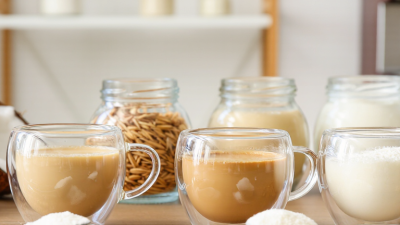
Non-Dairy Beverage Creamer Powder is moving from a coffee-shop niche into mainstream beverage formulation. Grand View Research estimated the global non-dairy creamer market at approximately USD 6 billion in 2023. Its report also projects continued growth through 2030, supported by plant-based preferences, convenience, and expanding instant-coffee consumption. The exact figure varies by research firm. Definitions differ between powdered creamers, liquid substitutes, and broader dairy-free ingredients. Food scientist Professor David Julian McClements has described this wider shift simply: “The future of food is plant-based.” His view matters because successful creamer development requires more than removing milk. Manufacturers must balance whiteness, foam behavior, mouthfeel, shelf stability, and clean-label expectations. A spoonful should dissolve quickly in hot coffee, without floating oil or leaving a gritty film. Recent Innova Market Insights and Mintel reporting also highlights consumer interest in recognizable ingredients and lower environmental impact. Coconut, oat, soy, and glucose-based systems each create different sensory results. Soy may improve protein structure, while coconut can deliver richer texture but stronger flavor. Oat-based formulas often feel familiar, yet their performance depends heavily on processing and emulsification. This market is promising, but not effortless. Some products still rely on complex stabilizer systems. Some sustainability claims lack comparable evidence. Buyers should examine ingredient origin, allergen controls, nutrition data, and supplier testing before choosing a partner. The best Non-Dairy Beverage Creamer Powder supplier is not simply the lowest-cost factory. It is a technically transparent producer that can repeat quality, explain limitations, and improve the formula when real-world trials expose weaknesses.
Read more »
Isabella By:Isabella - September 22, 2026
How to Choose Bubble Tea Powder Ingredients in 2026?

How to Choose Bubble Tea Powder Ingredients in 2026?

Choosing Bubble Tea Powder Ingredients in 2026 requires more than comparing flavor names or wholesale prices. A creamy taro powder may look attractive, yet its performance depends on solubility, sweetness, aroma, and storage stability. In a busy tea shop, one poorly dissolving powder can leave gritty particles at the bottom of a cold cup. That small detail affects customer trust. This guide examines practical criteria for selecting reliable ingredients. It considers milk powders, plant-based creamers, tea extracts, natural flavors, sweeteners, stabilizers, and color sources. Supplier transparency matters. Look for clear ingredient lists, batch information, allergen statements, and testing records. Certifications can support confidence, but they should not replace careful product evaluation. Local food requirements must also be checked before purchase and sale. Taste testing remains essential. Always prepare samples using the intended water temperature, mixing method, ice level, and serving size. A powder that performs well in a laboratory sample may behave differently during a crowded afternoon service. Real experience matters here. Small trials reveal more than polished brochures. Not every “clean label” claim guarantees better taste or texture. That deserves reflection. Some natural ingredients may fade, separate, or cost more than expected. A practical decision balances sensory quality, nutrition, consistency, supplier reliability, and customer expectations. The right choice may not be the newest formula. It may be the one that dissolves smoothly, tastes balanced, and performs consistently across many cups.
Read more »
Emma By:Emma - September 17, 2026