0%

Choosing a China-based supplier for Concentrated Fruit Syrup For Teas takes more than comparing prices. Tea shops need repeatable sweetness, clear fruit notes, and syrup that disperses smoothly in hot or iced drinks. A practical starting point is to request a current product specification, ingredient list, Brix range, sample, and batch-level quality documents. Then test the syrup in your own recipes. A mango syrup that tastes vivid from a spoon may become muted beside strong black tea.

Industry data helps explain the opportunity, though it does not prove that any supplier is right for your business. The Tea Association of the U.S.A.’s 2024 Tea Fact Sheet reports more than 84 billion servings consumed annually in the United States. That scale points to sustained demand for tea beverages and varied flavors, but the figure is not specific to fruit syrups. For a broader supply-chain view, FAO’s Intergovernmental Group on Tea publishes market reports covering production, trade, and consumption. Use those reports as context, not as a substitute for factory audits or product testing.

Details matter. Ask how fruit ingredients are identified, how batches are checked, and whether samples match commercial production. Compare flavor, color, aroma, and performance after dilution. A tidy specification sheet still cannot tell the whole story. That gap matters. Supplier selection should weigh documented quality, communication, capacity, and sample results together. The best partner is not automatically the cheapest—or the one with the brightest sample. It is the one that can consistently support your tea menu and explain its product clearly.
China Best Concentrated Fruit Syrup for Tea Supplier?

What Is Concentrated Fruit Syrup for Tea?

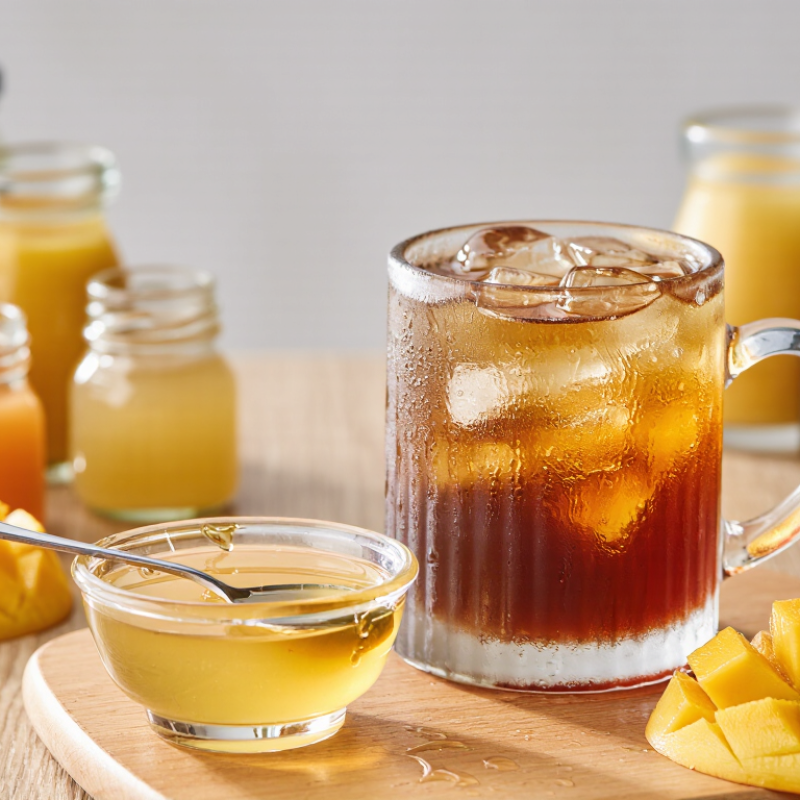
Concentrated fruit syrup for tea is a dense, pourable ingredient made from fruit juice or purée, usually combined with water, sugar, and acidity regulators. Some versions retain pulp; others are filtered for a smooth finish. It is not simply fruit-flavoured sugar syrup. Its fruit content, sweetness, acidity, and soluble solids shape both taste and performance in a drink. The Codex Alimentarius fruit-juice standard provides a technical reference for juice concentration and soluble-solids levels, though a syrup may not be classified as juice.

The scale of fruit supply helps explain the ingredient’s variety. FAOSTAT’s 2022 crop data puts global fruit output above 900 million tonnes, spanning fruits with very different sweetness, colour, and acidity. Meanwhile, the International Tea Committee’s 2023 bulletin reports roughly 6.5 million tonnes of tea produced worldwide in 2022, a broad context for fruit-based tea ingredients. In a test kitchen, a spoonful of syrup can add vivid colour and soften a sharp tea, but too much may leave a sticky finish. Small details matter. Check the fruit percentage, Brix level, and batch consistency, then test the syrup in both hot and iced tea. Labels do not tell the whole story. I have found that a syrup that tastes balanced on its own can become oddly flat after dilution; tasting it in the finished drink is the less tidy, but more useful, check.

China Best Concentrated Fruit Syrup for Tea Supplier? - What Is Concentrated Fruit Syrup for Tea?

Data Dimension Typical Information Relevance to Tea What to Check
Product definition A pourable fruit-flavored preparation made with fruit juice, fruit puree, or fruit ingredients, often combined with sweeteners, water, and acidity regulators. Adds fruit flavor and sweetness to hot or iced tea. Review the ingredient list and product specification; recipes differ by fruit and manufacturer.
Fruit type and flavor May be made in single-fruit or blended flavors, such as lemon, peach, mango, berry, or passion fruit. Citrus flavors can brighten tea; peach and berry flavors are often used in iced tea blends. Confirm flavor profile, fruit ingredients, and whether pulp or fruit pieces are present.
Soluble solids (°Brix) °Brix indicates soluble solids, mainly sugars in many syrups. The level varies considerably with the recipe and fruit content. Higher-solids products generally contribute more sweetness and require less product for the same sweetness level. Request the specified °Brix and its test method; do not treat one value as universal for all fruit syrups.
Sweetener and sugar content Formulas may use sugar, glucose syrup, or other permitted sweeteners. Sugar content depends on the formulation. Sweetness affects the tea’s balance and may require adjusting any separately added sugar. Check the nutrition information, ingredient declaration, and suitability for the intended dietary requirements.
Acidity and pH Fruit ingredients and acidity regulators influence a product’s acidity; pH and titratable acidity vary by recipe. Acidity can make fruit notes more pronounced and alter the perceived balance of tea. Request product-specific pH and acidity data if they matter to the recipe or process.
Texture and pulp Products can range from smooth and pourable to thicker preparations containing pulp or small fruit particles. A smooth texture suits clear tea; pulp may be preferred for drinks designed to include fruit solids. Check viscosity, particle size, and whether the product needs shaking before use.
Suggested use level There is no universal dosage; the amount depends on syrup concentration, tea strength, serving size, and desired sweetness. Start with a small measured amount, mix, taste, and adjust to the target recipe. Ask for the product’s recommended application rate and test it in the actual tea base.
Hot and cold performance Mixing and flavor perception can differ between hot and chilled drinks; pulp-containing products may disperse differently. Cold tea may need thorough mixing, while hot tea should be evaluated for the desired aroma and taste. Conduct a preparation test at the intended serving temperature.
Food-safety documentation Product documentation may include a specification sheet, ingredient and allergen information, and a batch certificate of analysis. Helps food-service and beverage manufacturers assess consistency and handling requirements. Check applicable food-safety records, traceability details, and documentation required in the destination market.
Storage and shelf life Storage conditions and shelf life are product-specific and depend on processing, packaging, and formulation. Correct handling helps maintain product quality during beverage preparation. Follow the label for unopened and opened storage, refrigeration, and use-by guidance.

Note: Product characteristics vary by formulation. Confirm all specifications, application rates, and storage instructions with the relevant product documentation.

How Is Tea-Grade Fruit Syrup Made in China?

Tea-grade fruit syrup in China is made to deliver clear fruit flavor without overwhelming tea. Production begins with fruit chosen for ripeness, aroma, and acidity. After sorting, the fruit is washed, crushed, and pressed or pulped. The juice is then screened to remove seeds and coarse solids.

Small details matter.

The juice may be blended with sugar and adjusted for sweetness and acidity, depending on the fruit and intended drink. Many producers concentrate it under reduced pressure, which helps limit heat exposure and retain more fresh aroma. The syrup is then pasteurized and packed in suitable containers. Exact methods vary, so buyers should ask about processing conditions rather than assume every supplier uses the same approach.

Quality checks can include Brix readings for soluble solids, pH, color, aroma, and microbiological testing. Tea trials are just as useful: a measured dose should disperse in hot or cold tea and keep its flavor after dilution. A syrup that tastes vivid on a spoon may fade in milk tea. Excessive filtration can also soften texture and aroma. There is no perfect balance for every recipe; a small pilot batch often reveals problems before larger orders.

Which Quality Standards Matter for Tea Syrups?

For a tea syrup supplier, quality starts with clear specifications, not a glossy product sheet. Ask for the fruit content, soluble solids (°Brix), pH range, and ingredient list for each product. Brix helps indicate sweetness and concentration, but it does not prove fruit quality. I would treat it as one useful clue, not the whole answer. Small details matter.

Food safety records should match the syrup’s intended use and destination market. Request recent microbiological test results, a certificate of analysis, and documented batch traceability. The supplier should explain how it controls filling, storage, and shelf life. Check whether allergen information and storage instructions are available and consistent across documents. Paperwork can look complete and still leave practical questions unanswered.

Sensory checks matter too. Dilute a sample at the ratio used in tea, then assess aroma, color, sweetness, and any cooked or stale notes. A syrup that tastes bright on its own may overwhelm brewed tea. Ask for samples from more than one production batch; consistency is easier to judge side by side. Packaging should seal cleanly, pour predictably, and protect the syrup from light when needed. No single standard settles everything. I would also ask how the supplier investigates a batch that tastes slightly different, because that answer can reveal more than a sales promise.

How to Compare Concentrated Fruit Syrup Suppliers

China Best Concentrated Fruit Syrup for Tea Supplier?
How to Compare Concentrated Fruit Syrup Suppliers

Compare suppliers with the same drink recipe, not just the same syrup price. Ask for a sample and test it in both hot and iced tea. Check sweetness, fruit aroma, acidity, and how well the syrup mixes. A high Brix reading can indicate concentrated sweetness, but it does not tell you whether the flavor tastes balanced. Look for a clear ingredient specification, batch information, and practical guidance on dilution. Ask how production batches are checked. Taste matters.

Tips: Weigh each syrup dose and record the tea volume. Try it after ice melts, too. Ask for samples from more than one batch when possible; one good sample is not enough.

Then compare packaging, shelf-life details, minimum order quantities, and quoted lead times. Confirm that the supplier can explain storage conditions and provide consistent product documentation. A small trial order can reveal issues that a catalog cannot, such as a cap that leaks or fruit notes that fade after opening. I would not judge a supplier from one tasting alone. Tea type, water, and serving temperature can change the result, and my first test may not match your customers’ preferences. Keep the recipe and feedback notes, then review them with the supplier before scaling up.

What Makes a Chinese Supplier the Best Fit for Your Business?

A strong Chinese supplier should fit your recipe, production rhythm, and quality checks—not simply offer a low price. For tea applications, ask for Brix, acidity, fruit content, ingredient details, and acceptable batch variation. Request a recent certificate of analysis and traceability records for the fruit inputs. Then test samples at your actual dilution, in both hot tea and iced tea. A syrup can taste bright alone yet become flat after ice melts. Small differences show.

Supply reliability deserves equal attention. FAO’s 2023 SDG Progress Report estimates that 13.2% of food was lost after harvest and before retail in 2021. That figure is not specific to fruit syrup, but it highlights why sourcing records and handling controls matter. Ask how the supplier monitors shelf life, seals containers, and tracks lots through production. Confirm realistic lead times and whether packaging suits your filling line. A polished brochure proves little. Sample results, clear specifications, and consistent communication offer stronger evidence. One practical warning: a supplier’s first sample may not represent every later batch, so compare repeat samples before committing to a large order.

China’s Fruit Production: A Raw-Material Sourcing Context

National fruit output provides broad context when evaluating Chinese fruit syrup suppliers for tea. It does not measure any individual supplier’s capacity, quality, or export readiness.

Source: National Bureau of Statistics of China, annual statistical communiqués, 2020–2023. Figures are national fruit output, including melons; they are not specific to fruit used in syrup.

FAQS

What is concentrated fruit syrup for tea?

It is a dense, pourable ingredient made from fruit juice or purée. It may contain water, sugar, and acidity regulators. Some versions retain pulp; others are filtered smooth. It is not simply flavored sugar syrup.

What do fruit content and Brix tell me?

Fruit content indicates how much fruit is included. Brix measures soluble solids, which can help describe sweetness and concentration. Neither number tells the whole story. Taste a measured amount in your finished tea.

How is tea-grade fruit syrup made?

Fruit is sorted, washed, crushed, and pressed or pulped. The juice is screened, blended, and sometimes concentrated under reduced pressure. It is then pasteurized and packed. Methods vary by producer.

Which quality details should I check?

Ask for Brix, pH, fruit content, color, aroma, and acceptable batch variation. A recent analysis certificate and fruit traceability records are useful. Small details matter.

How should I test syrup in tea?

Try a measured dose in hot tea and iced tea. Check the flavor after ice melts, and test it in milk tea if relevant. Taste the finished drink. A spoonful alone can be misleading.

Why might the fruit flavor become weak?

Dilution, melting ice, or milk can soften the flavor. Heavy filtration may also reduce texture and aroma. Adjust the dose carefully; more syrup can leave a sticky finish.

How can I assess a supplier’s fit?

Compare the syrup with your recipe, production schedule, and filling line. Check specifications, packaging, lead times, and communication. A polished brochure proves little.

Is one sample enough to judge supply consistency?

Not really. Compare repeat samples and ask how the producer tracks lots, seals containers, and monitors shelf life. A first sample may not represent every later batch. That deserves a second look.

Conclusion

Concentrated fruit syrup for tea is a fruit-based ingredient designed to add consistent flavor, color, and sweetness to tea beverages. Its concentrated format can make storage, handling, and recipe adjustment more convenient for beverage businesses. Tea-grade syrup should be made with careful ingredient selection, controlled blending, and production processes that help maintain a stable taste and texture from batch to batch.

When comparing suppliers in China, buyers can review ingredient transparency, flavor consistency, product specifications, packaging options, quality-control procedures, and communication. Relevant quality standards may include clear documentation, hygienic production practices, and reliable testing for product safety and consistency. The best supplier is not simply the one with the lowest price, but one that can meet a business’s flavor needs, order volume, delivery expectations, and customization requirements. A thoughtful evaluation helps businesses choose Concentrated Fruit Syrup For Teas that fits their recipes and supports dependable beverage production.


Emma

Emma

Emma is a dedicated marketing professional with a deep expertise in the company's product offerings. With a passion for effective communication and a knack for connecting with audiences, she plays a pivotal role in driving our marketing strategies forward. Emma regularly contributes to our......