0%

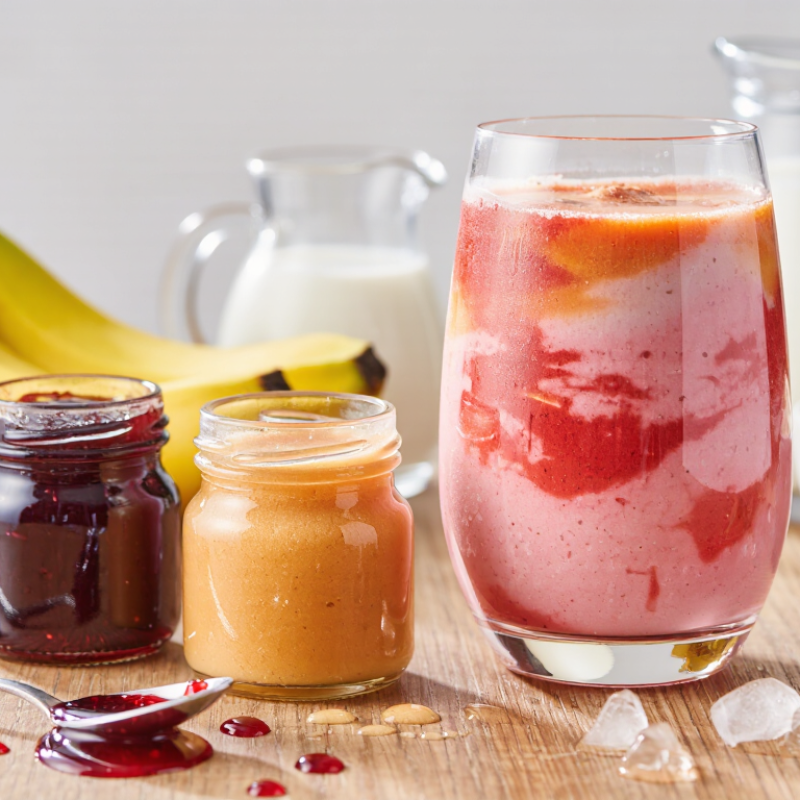
Fruit Jam Smoothie Syrup is a sweet, fruit-based ingredient used to add flavor, color, and body to blended drinks. It is often made from fruit jam, water, juice, or another liquid. Some commercial versions may include sugar, pectin, citric acid, or preservatives. The exact formula varies widely, so reading the label matters.

It is not always a standardized product category. That detail deserves attention. One bottle may pour smoothly, while another may contain small fruit pieces. Its sweetness can also differ more than expected. In practical use, start with one tablespoon per smoothie. Blend it with yogurt, milk, plant-based milk, or chilled fruit. Taste the mixture before adding more.

For example, strawberry jam syrup pairs well with banana and plain yogurt. Raspberry syrup can add sharper flavor to mango or peach. A thick syrup may need extra liquid to prevent a heavy texture. A thin syrup may require less milk than expected. Ice can improve thickness, but too much may weaken the fruit flavor.

Clean utensils and proper refrigeration help maintain quality after opening. Check storage instructions carefully. People managing sugar intake should review serving sizes and nutrition labels. Those with allergies should inspect the ingredient list, especially when using flavored or mixed-fruit products. With a balanced ratio and realistic expectations, Fruit Jam Smoothie Syrup can turn ordinary ingredients into a convenient, colorful drink. It is useful, but not magic. Fresh fruit still offers a different texture and nutritional profile.
What Is Fruit Jam Smoothie Syrup and How to Use It?

What Fruit Jam Smoothie Syrup Is and How It Differs from Other Sweeteners

Fruit jam smoothie syrup is a pourable sweetener made from fruit jam, fruit puree, sugar, and sometimes water or citrus juice. It keeps some fruit solids, so it adds color, aroma, and a gentle tartness. Unlike plain sugar syrup, it contributes recognizable fruit character and a slightly thicker texture.

That texture matters. In a smoothie, jam syrup can make blended fruit feel fuller without adding ice. It may also dissolve more evenly than a spoonful of granulated sugar. Honey brings floral notes, while maple syrup offers a darker, woody taste. Agave syrup is usually thinner and more neutral. Fruit jam smoothie syrup sits between these choices because it sweetens and flavors at the same time.

Use one tablespoon in a medium smoothie, then blend and taste. A berry-based syrup works well with yogurt, banana, or oat milk. Citrus or stone-fruit versions can brighten creamy mixtures. Check the ingredient label carefully. Some syrups contain more added sugar than expected, and “fruit” does not always mean low sugar. I once added too much to a peach smoothie; the flavor became heavy and sticky. Start small. A chilled glass can also make sweetness seem less intense, so tasting before serving is useful. Consistency may vary between homemade batches, which makes careful measuring worthwhile.

What Is Fruit Jam Smoothie Syrup and How Does It Differ from Other Sweeteners?

A fruit jam smoothie syrup is jam loosened with liquid and blended into a pourable sweetener. Its nutrition varies with dilution, so the chart uses the undiluted fruit-jam base for a consistent comparison.

Per 100 g, fruit jam contains less total sugar than honey or table sugar and provides fruit solids, flavor, and often pectin. Unlike refined sugar and maple syrup, it can add body and fruit character to smoothies, although blending it with water, milk, or juice lowers the amount per serving.

Values are approximate generic-food averages from USDA FoodData Central reference entries; recipes and dilution levels can change the final nutrition.

Key Ingredients, Texture, Flavor, and Nutritional Characteristics

Fruit Jam Smoothie Syrup: Ingredients, Texture, Flavor, and Nutrition

Fruit jam smoothie syrup usually combines fruit puree, sugar, water, pectin, and a small amount of citric acid. Some formulas include fruit juice, natural flavoring, or approved preservatives. The ingredient order matters because it shows which components dominate the mixture. A syrup with more puree often tastes deeper and less candy-like. It is intensely sweet. One tablespoon can noticeably change a smoothie’s flavor.

Its texture should be thick enough to coat a spoon, yet fluid enough to blend easily. Pectin can create a soft, jam-like body, while extra water produces a thinner pour. Seed particles or small fruit fibers may remain, especially in less-filtered versions. Texture matters. In a kitchen test, I prefer adding the syrup after pouring the smoothie base. This helps me judge sweetness more accurately. I sometimes add too much, then lose the fruit’s fresh character.

The flavor depends on the fruit, cooking temperature, acidity, and sugar level. Berry syrups may taste sharp and aromatic, while peach or mango versions can seem rounder and softer. Nutritionally, the syrup mainly contributes carbohydrates and added sugars. It may provide small amounts of fruit compounds, but it should not replace whole fruit. Check the nutrition panel for serving size, sugar, fiber, and calorie content. A practical starting point is one teaspoon per glass, followed by tasting. Refrigerate opened syrup when the label recommends it, and use clean utensils to limit contamination.

How to Choose the Right Fruit Jam Smoothie Syrup

Fruit jam smoothie syrup is a pourable blend made from fruit jam, sweeteners, and liquid ingredients. It adds fruit flavor, color, and body to smoothies without requiring fresh fruit every time. However, choosing the right syrup matters more than its bright appearance.

Check the ingredient label before buying. A higher fruit content usually gives a more natural taste, while excessive sugar can make a smoothie heavy. Compare the total sugar per serving, especially when using bananas, dates, or sweetened yogurt.

Look for a balanced acidity, too. A small amount of lemon or other fruit acid can keep the flavor lively instead of flat. Avoid products with ingredients that do not suit your diet or known allergies.

Texture deserves attention. Thin syrup blends easily with milk and water, while thicker syrup works better with yogurt or frozen fruit. Choose a flavor that matches your base, such as berry syrup with plain yogurt or peach syrup with oat milk.

I once used a very sweet syrup with mango, and the drink became cloying. That mistake taught me to taste the fruit first. Start with one tablespoon per serving, blend, and adjust slowly. Refrigerate the opened container according to its label, and use a clean spoon each time. Small details affect freshness.

Step-by-Step Ways to Use It in Smoothies and Other Drinks

Fruit Jam Smoothie Syrup: Step-by-Step Ways to Use It in Smoothies and Other Drinks

Fruit jam smoothie syrup adds concentrated fruit flavor, sweetness, and a glossy texture to drinks. It is usually made from fruit preserves, syrup, or blended jam. Check the ingredient label before using it. Some versions contain more sugar than expected.

For a smoothie, pour 250–350 ml of milk, yogurt, or plant-based liquid into a blender. Add one cup of fresh or frozen fruit, then include oats, seeds, or yogurt if desired. Add one tablespoon of fruit jam smoothie syrup. Blend until smooth, then taste carefully. Add more syrup only when necessary. Too much can hide the fruit’s natural flavor. I sometimes overdo it, especially with tart berries. That first blend may need adjustment.

For a quick cold drink, stir one tablespoon of syrup into sparkling water with ice and a citrus slice. It also works in iced tea, lemonade, milk, or a simple fruit punch. Stir slowly to prevent foam from rising too quickly. For warm drinks, mix it into hot water or tea after brewing, but avoid boiling the syrup.

Tips: Start with less syrup. Sweetness builds quickly. Use frozen fruit for a thicker texture without extra ice. If the syrup settles, stir before measuring. Keep the container clean and follow its storage directions. A short ingredient list is often easier to evaluate.

Storage, Serving Tips, and Common Preparation Mistakes

What Is Fruit Jam Smoothie Syrup and How to Use It?

Fruit jam smoothie syrup is a pourable mixture of jam, water, and sometimes citrus juice. It adds fruit flavor, color, and sweetness to smoothies, yogurt, oatmeal, or sparkling water. Because dilution reduces sugar concentration, it should not be treated like shelf-stable jam. Prepare it with clean utensils, place it in a sealed container, and refrigerate it promptly below 41°F (5°C), the cold-holding limit listed in the FDA Food Code.

Keep a preparation date on the container. USDA FoodKeeper guidance commonly uses three to four days for many refrigerated prepared foods, so this is a cautious household limit for diluted syrup. Discard it if mold, fermentation bubbles, pressure, or an unusual smell appears. Sweetness is not a safety test. I once underestimated this point.

For serving, add one tablespoon to a single smoothie, then adjust after blending. A chilled syrup blends more evenly and prevents a watery texture. Warm the syrup briefly only when loosening thick jam; never leave it sitting on the counter. Common mistakes include using a wet spoon, storing it in a half-clean jar, and adding too much syrup before tasting. These errors can introduce microbes or create an overly sweet drink. The USDA reports that a substantial share of the food supply is lost at retail and consumer levels, making accurate portioning and date labeling practical waste-reduction habits.

What Is Fruit Jam Smoothie Syrup and How to Use It? - Storage, Serving Tips, and Common Preparation Mistakes
Data Dimension Practical Information Typical Measure or Guideline Storage, Safety, or Quality Note
Definition Fruit jam smoothie syrup is a pourable fruit-flavored sweetener made by loosening jam or fruit preserve with a small amount of liquid. It can be blended into smoothies or drizzled over finished drinks. It is a preparation method rather than a standardized food category. The final sweetness, thickness, and acidity depend on the jam, fruit, and liquid used.
Core Components
  • Fruit jam, preserve, or fruit spread
  • Milk, plant-based beverage, water, or fruit juice
  • Optional fresh or frozen fruit
  • Optional yogurt, seeds, or ice
A practical starting point is 1 tablespoon of jam with 2–3 tablespoons of liquid for a pourable syrup. Check the jam label for added sugar because sweetness varies considerably among products.
Basic Smoothie Ratio Combine fruit, liquid, yogurt or another creamy ingredient, and the prepared jam syrup. Blend until smooth. For 1 serving: about 1 cup fruit, ½ cup liquid, ¼ cup yogurt, and 1–2 tablespoons jam syrup. Use less syrup when the fruit or liquid is already sweetened.
Best Fruits to Pair Berries, peaches, apricots, apples, pears, bananas, and mangoes generally pair well with fruit jam syrup. Use approximately 1 cup fresh or frozen fruit per serving. Very tart fruit may require more sweetness, while ripe bananas and mangoes usually require less.
How to Prepare the Syrup Stir the jam with a small amount of room-temperature liquid until smooth. For a larger batch, blend briefly or warm gently to loosen it. Use short blending intervals and add liquid gradually to control thickness. Do not seal or blend hot liquid in a closed blender container; steam pressure can cause the lid to come off.
Serving Uses
  • Blend into breakfast smoothies
  • Drizzle over yogurt or oatmeal
  • Layer into parfaits
  • Use as a topping for pancakes or waffles
  • Mix into sparkling water or iced beverages
Begin with 1 teaspoon per serving when using it as a topping or beverage sweetener. Stir before serving because fruit solids may settle during storage.
Texture Control Add liquid to thin the syrup; add more jam, yogurt, frozen fruit, or ice to make the smoothie thicker. Adjust in 1 tablespoon increments to avoid over-thinning. Ice can dilute flavor as it melts, while frozen fruit thickens without adding as much water.
Sweetness Control Taste the fruit and liquid before adding extra sweetener. Jam often supplies both sugar and fruit flavor. Add syrup gradually, usually 1 tablespoon at a time for a blender batch. Honey, sugar, and sweetened dairy or plant-based beverages can make the drink excessively sweet when combined with jam.
Unopened Jam Storage Keep commercially prepared, unopened jam in a cool, dry place away from direct sunlight. Follow the product’s printed date and storage instructions. Discard the product if the seal is broken, the container is bulging, or there is visible mold, fermentation, or an unusual odor.
Opened Jam Storage Refrigerate opened jam promptly and use a clean, dry utensil each time. Use the time stated on the label; quality commonly declines over several weeks after opening. Do not scrape mold from the surface and continue using the jar, because contamination may extend below the visible area.
Prepared Syrup Storage Transfer homemade jam syrup to a clean, covered container and refrigerate it. For best quality, use within 3–5 days, especially when water, juice, dairy, or fresh fruit has been added. Discard if it develops mold, gas, separation with an abnormal odor, or a fermented taste.
Prepared Smoothie Storage Serve immediately for the best color, texture, and flavor. If necessary, refrigerate in a covered container. Consume within 24 hours and shake or stir before drinking. Do not leave a dairy- or fruit-based smoothie at room temperature for more than 2 hours, or more than 1 hour in very hot conditions.
Common Mistake: Too Much Jam Excess jam can make the smoothie overly sweet, sticky, and heavy. Start with 1 tablespoon per serving and increase only after tasting. Balance sweetness with unsweetened yogurt, milk, water, or mildly tart fruit.
Common Mistake: Adding Liquid Too Quickly Too much liquid can produce a thin smoothie and weaken the fruit flavor. Add liquid gradually while blending, rather than pouring in the full amount at once. Use frozen fruit or yogurt to restore body without adding excessive syrup.
Common Mistake: Poor Blending Order Dense ingredients placed above frozen fruit may blend unevenly and leave chunks of jam or fruit. Add liquid first, followed by yogurt or soft ingredients, jam syrup, fresh fruit, and frozen ingredients. Stop the blender and scrape the sides only after switching it off and unplugging it when necessary.
Common Mistake: Using Spoiled Ingredients Fresh fruit, dairy, plant-based beverages, or opened jam can spoil independently of one another. Inspect and smell each ingredient before preparation. When in doubt, discard the ingredient or the finished smoothie rather than trying to mask an off flavor.
Flavor Adjustment Use a small amount of lemon or lime juice to brighten a very sweet smoothie, or add a pinch of salt to enhance fruit flavor. Start with ½ teaspoon citrus juice or a small pinch of salt per serving. Add acidic ingredients gradually because they can change the taste and may curdle some dairy mixtures.
Allergen and Dietary Check Review the ingredients in the jam, yogurt, milk, toppings, and any protein or seed additions. Choose suitable dairy-free, nut-free, gluten-free, or reduced-sugar ingredients when required. “Fruit-flavored” does not necessarily mean that a product is free from allergens or added sugar.

FAQS

What is fruit jam smoothie syrup?

It is a pourable blend of fruit jam, sweetener, water, and sometimes citrus juice. It adds flavor, color, and body. It is not fresh fruit.

How should I compare different syrups?

Check the fruit content and total sugar per serving. Higher fruit content often tastes more natural. Excess sugar may make smoothies heavy.

Why does acidity matter?

A little lemon or fruit acid can keep the flavor lively. Without acidity, a smoothie may taste flat.

How do I choose the right syrup texture?

Thin syrup blends well with milk and water. Thick syrup suits yogurt or frozen fruit. Texture changes the final drink.

Which flavors match common smoothie bases?

Berry flavors pair well with plain yogurt. Peach works nicely with oat milk. Taste the fruit base before adding syrup.

How much syrup should I use?

Start with one tablespoon per smoothie. Blend it completely. Add more slowly if needed.Less is safer.

How should I store prepared fruit jam syrup?

Place it in a sealed, clean container. Refrigerate it promptly below 41°F (5°C). Write the preparation date on the container.

How long can diluted syrup stay refrigerated?

A cautious household limit is three to four days. Discard it sooner if mold, bubbles, pressure, or unusual smells appear. Sweetness does not prove safety.

What preparation mistakes should I avoid?

Do not use wet spoons or partly dirty jars. Avoid leaving syrup on the counter. Adding too much before tasting can create an overly sweet drink.I once misjudged it.

Conclusion

Fruit Jam Smoothie Syrup is a sweet, fruit-based ingredient made to add flavor, color, and a smooth consistency to blended drinks. Unlike plain sugar or artificial sweeteners, it usually contains fruit jam or fruit puree, syrup, and sometimes small fruit pieces, giving it a richer taste and more noticeable texture. Its nutritional profile depends on the ingredients, so it is important to check the label for added sugar, calories, fruit content, and possible allergens when choosing a suitable option.

To use Fruit Jam Smoothie Syrup, blend it with fresh or frozen fruit, yogurt or milk, and ice, then adjust the amount according to your preferred sweetness and thickness. It can also enhance iced tea, sparkling water, mocktails, and dessert drinks. For the best results, select a flavor that matches the other ingredients, mix the syrup thoroughly, and avoid adding too much liquid at once. Store it as directed, keep the container clean, and refrigerate it after opening when required. Common mistakes include over-sweetening, using an unsuitable fruit combination, and failing to shake or stir the syrup before serving.


Emma

Emma

Emma is a dedicated marketing professional with a deep expertise in the company's product offerings. With a passion for effective communication and a knack for connecting with audiences, she plays a pivotal role in driving our marketing strategies forward. Emma regularly contributes to our......