Choosing Commercial Tea Brewing Leaves is a practical decision, not a simple buying exercise. The right leaves influence flavor, consistency, brewing speed, and customer satisfaction. A bright black tea may suit breakfast service, while a delicate green tea can require cooler water and shorter steeping. Small details matter. Leaf size, harvest quality, moisture, packaging, and storage conditions can change the final cup.
This guide presents 10 useful tips for evaluating tea leaves in a commercial setting. The recommendations reflect common tasting practices, supplier checks, and real service demands. I have learned that attractive packaging does not guarantee a reliable brew. My early trials sometimes focused too much on aroma. That was a mistake. A tea may smell impressive before brewing but taste thin after several minutes. Not every first trial works. Careful sampling helps. Compare several batches using the same water, temperature, weight, and steeping time. Record the results honestly. Check whether the flavor remains stable during busy service, not only during a quiet tasting. A dependable supplier should provide clear origin details, production information, food-safety documentation, and consistent communication. Still, supplier claims deserve verification. Staff skill, equipment, water quality, and customer preferences also affect performance. The best choice balances sensory quality with cost, availability, and operational simplicity. Expect some compromise. With a structured approach, businesses can select Commercial Tea Brewing Leaves that perform consistently from the first morning cup to the final afternoon order.
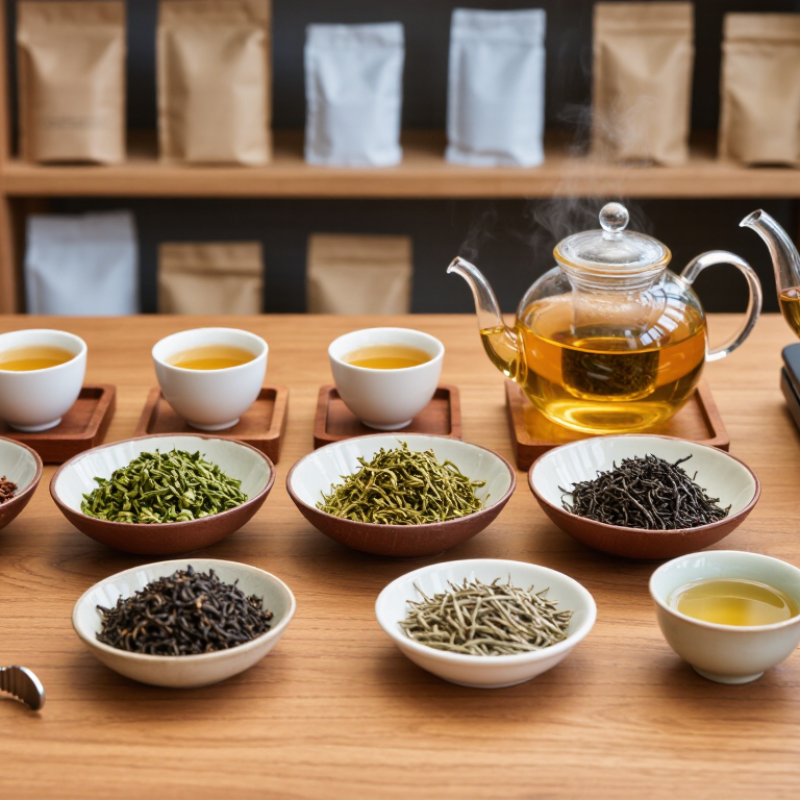
Define the Tea Leaf Types Suitable for Commercial Brewing
Tip 1: Define the leaf size before choosing a commercial tea. Whole-leaf tea gives a clearer appearance and slower extraction. It suits cafés serving brewed cups with visible leaves. Broken-leaf tea extracts faster and produces a fuller body. It often works better for busy service periods. I once assumed larger leaves always meant better quality. That judgment was too simple.
Tip 2: Match the leaf type with the brewing equipment. Fannings release color and flavor quickly, making them useful for tea bags and automatic brewers. Dust brews even faster, but it can taste harsh when over-steeped. Use careful water control and shorter brewing times. Black tea usually tolerates stronger extraction. Green tea needs gentler heat and timing. Oolong leaves need space to open fully. Small details matter.
Tip 3: Check consistency across every production batch. Commercial brewing requires predictable flavor, strength, and appearance. Whole leaves may vary more than finely cut material. This difference can affect serving costs and customer expectations. Herbal infusions deserve separate evaluation because they are not technically tea leaves. Inspect dry leaves for clean aroma, natural color, and excessive powder. Brew a sample before approving a large supply. Taste it twice. The second cup may reveal bitterness, weak body, or an uneven finish.
Match Leaf Quality and Flavor Profile to Customer Preferences
10 Tips for Choosing Commercial Tea Brewing Leaves
Match Leaf Quality and Flavor Profile to Customer Preferences
Commercial tea leaves should match the experience your customers expect, not just a supplier’s quality label. Examine the dry leaves for consistent size, clean color, and a fresh, natural aroma. Dusty fragments may brew quickly, but they can create harsh bitterness. Whole leaves often provide a smoother cup and more visible value.
Taste it yourself. Brew each sample with the same water, temperature, and steeping time used in service. For example, test black tea at 90–95°C for four minutes, then record sweetness, body, acidity, and finish. Compare those notes with customer habits. Milk tea may need a strong, malty profile, while a light afternoon tea may suit floral or gently fruity leaves.
Ask for harvest information, origin details, storage conditions, and lot consistency. Reliable documentation supports better purchasing decisions. A small tasting panel can reveal preferences that one buyer may miss. I once selected a fragrant tea that performed well in a quiet tasting room. In a busy café, its aroma disappeared under milk and ice. That mistake changed my process. Test leaves in the real serving format, including takeaway cups and sweeteners. Consider brewing loss, service speed, and customer feedback before committing to a large volume. Not every attractive leaf suits commercial use.
Evaluate Tea Origin, Processing, and Seasonal Consistency
When choosing commercial tea brewing leaves, begin with the tea’s origin. Ask for the growing region, elevation, harvest date, and lot records. These details reveal more than a general country label. I once overvalued a famous origin and ignored storage conditions. The leaves tasted flat within weeks.
Origin matters, but processing shapes the cup. Inspect dry leaves for consistent color, size, and aroma. Then brew a measured sample with controlled water temperature and time. Look for clarity, body, bitterness, and aftertaste. Withering, rolling, oxidation, and drying can each change extraction. A tea with pleasant fragrance may still become harsh in a large urn. Test it at the volume your customers will receive.
Seasonal consistency deserves written evidence. Compare samples from at least three harvest periods when possible. Record liquor color, brewing strength, moisture, and flavor changes. Ask whether the supplier uses one lot or a controlled blend. Small changes are normal. Large changes can disrupt menus and customer expectations. Keep retained samples for future comparison.
Taste every batch. Numbers help, but they cannot replace sensory judgment. A simple quality sheet improves accountability, although it may not capture every aroma nuance. Reliable suppliers explain variation instead of promising perfect uniformity. That honesty is useful. Good leaves should perform steadily, not merely impress during one tasting.
Compare Brewing Performance, Yield, and Operational Requirements
10 Tips for Choosing Commercial Tea Brewing Leaves
Compare Brewing Performance, Yield, and Operational Requirements
Commercial tea leaves should be judged by service results, not aroma alone. Start by measuring extraction time, liquor color, and flavor stability. A coarse leaf may brew slowly but remain clear in a dispenser. Smaller particles often release flavor faster. They can also create bitterness after several minutes. Record water temperature, leaf weight, and brew volume for every trial. Keep the test boring and repeatable. That is useful.
Compare yield by calculating finished liters per kilogram of leaves. Then check whether the second brew still tastes acceptable. High yield means little if customers reject the weaker cup. Use a refractometer when available, but do not trust one reading blindly. Taste, TDS, and visual clarity should support each other. In one practical test, a leaf producing 18 liters may outperform one producing 22 liters if it needs less correction. This judgment depends on menu style. I sometimes overvalue volume. Measure it twice.
Operational demands can change the best choice. Note steeping time, filtration needs, cleaning effort, storage space, and staff training. Leaves requiring constant stirring can slow a busy counter. Heavy sediment may clog valves or settle in serving cups. Test the tea during peak service, not only in a quiet kitchen. Track waste from spills, over-brewing, and discarded batches. A checklist helps, though staff may skip it on difficult days. Build a small recipe buffer because real shifts are rarely exact.
10 Tips for Choosing Commercial Tea Brewing Leaves - Compare Brewing Performance, Yield, and Operational Requirements
| No. |
Tea Leaf Type |
Recommended Water Temperature |
Typical Brew Time |
Suggested Dry Leaf Dosage |
Estimated Beverage Yield per 1 kg of Dry Leaf |
Strength and Extraction |
Brewing Performance |
Operational Requirements |
Selection Tip |
| 1 |
CTC Black Tea |
92–98°C |
3–5 minutes |
25–35 g/L |
28–40 L |
High strength
Fast and consistent extraction |
Produces a bold, brisk liquor with good color and dependable batch-to-batch performance. |
Suitable for filter brewers and milk-based drinks; requires attention to steep time to prevent excessive bitterness. |
Choose when speed, color, and strong flavor are more important than delicate aroma. |
| 2 |
Orthodox Black Tea |
90–96°C |
4–5 minutes |
25–35 g/L |
28–40 L |
High strength
Balanced extraction |
Offers more complex aroma and a smoother finish than highly fragmented leaf grades. |
Needs accurate portioning and consistent filtration because larger leaves may require more space to expand. |
Choose when the menu requires a fuller aroma and a premium-looking brewed cup. |
| 3 |
Green Tea: Steamed or Rolled Leaf |
75–85°C |
2–3 minutes |
20–30 g/L |
33–50 L |
Medium strength
Temperature-sensitive extraction |
Brews quickly but can become bitter, astringent, or cloudy when exposed to excessive heat. |
Requires temperature-controlled equipment and prompt removal of the leaves after brewing. |
Choose when a fresh, vegetal profile is desired and the operation can control water temperature. |
| 4 |
Pan-Fired Green Tea |
80–90°C |
2–4 minutes |
20–30 g/L |
33–50 L |
Medium strength
Moderate extraction |
Generally provides a rounder, toasted profile and is somewhat more forgiving than delicate steamed green tea. |
Fine particles may increase filter loading; use suitable mesh size and avoid prolonged holding. |
Choose when you need green-tea character with broader customer acceptance and moderate brewing tolerance. |
| 5 |
Rolled Oolong Tea |
85–95°C |
4–6 minutes |
18–28 g/L |
36–55 L |
Medium to high
Gradual extraction |
Leaves expand substantially and release aroma over a longer brewing cycle. |
Requires generous filter capacity and sufficient headspace; compact leaves can restrict water flow if overloaded. |
Choose when aromatic complexity and the possibility of multiple infusions justify slower preparation. |
| 6 |
White Tea |
80–90°C |
4–6 minutes |
25–35 g/L |
28–40 L |
Lower strength
Gentle extraction |
Produces a light-colored infusion with subtle sweetness and lower perceived intensity. |
May require higher leaf dosage or longer contact time; quality can vary with leaf size and maturity. |
Choose for premium, delicate beverages rather than high-volume drinks needing strong color. |
| 7 |
Ripe Fermented Tea |
90–98°C |
4–6 minutes |
20–30 g/L |
33–50 L |
High body
Strong and smooth extraction |
Creates a dark, full-bodied infusion and generally tolerates hot water well. |
Requires thorough rinsing or pre-wetting when compressed; residual flavor can remain in poorly cleaned equipment. |
Choose when a deep color, low-sharpness profile, and strong hot or iced tea base are required. |
| 8 |
Rooibos Herbal Infusion |
95–100°C |
5–7 minutes |
20–30 g/L |
33–50 L |
Medium strength
Low bitterness risk |
Delivers a naturally reddish infusion and remains relatively smooth during longer brewing. |
Fine cut material can pass through coarse filters; dedicated filtration helps reduce sediment. |
Choose for caffeine-free menus and operations needing a forgiving, hot-water brewing process. |
| 9 |
Peppermint Leaf |
95–100°C |
4–6 minutes |
15–25 g/L |
40–65 L |
Medium strength
Highly aromatic extraction |
Releases a pronounced cooling aroma quickly and can dominate blended recipes. |
Needs effective odor control and thorough cleaning because volatile oils may transfer to subsequent brews. |
Choose when a caffeine-free, strongly aromatic beverage is needed with relatively high leaf yield. |
| 10 |
Spiced Tea Blend |
90–98°C |
4–6 minutes |
25–35 g/L |
28–40 L |
High flavor impact
Blend-dependent extraction |
Provides a robust flavor profile that performs well in hot, iced, and milk-based applications. |
Particle size can vary widely; use a filter suited to both tea leaves and spices, and monitor sediment. |
Choose after testing the finished drink with milk, sugar, and ice if those ingredients are part of the menu. |
Data note: Yield estimates are calculated from typical commercial dosage ranges and represent the approximate volume of ready-to-serve infusion per kilogram of dry material. Actual results vary with leaf grade, water chemistry, equipment, filtration, desired strength, and holding time. Validate the final recipe with a pilot batch before setting production standards.
Assess Supplier Reliability, Cost, Storage, and Food Safety
Choosing Commercial Tea Brewing Leaves
Supplier reliability matters more than a low opening quote. FAOSTAT recorded global tea production at over 6.5 million tonnes in 2022, showing a complex, multi-origin supply chain. Request harvest dates, origin records, lot numbers, and recent certificates of analysis. A dependable supplier should explain delays clearly and provide replacement procedures. Test pre-shipment samples, not only catalog descriptions. My earlier mistake was trusting consistent packaging as proof of consistent quality.
Calculate the landed cost per brewed serving. Include freight, customs, testing, trim loss, and labor. A cheaper leaf can release more dust, reduce yield, or require stronger dosing. Compare several lots using the same water, steeping time, and serving volume. Keep the calculation visible. It is easy to underestimate waste.
Storage directly affects flavor and safety. Use sealed, food-grade liners in clean, dry rooms away from heat, sunlight, chemicals, and strong odors. Store cartons off the floor and inspect damaged packaging immediately. Track opening dates and use older lots first. The FDA Food Code 2022 emphasizes protection from contamination, while WHO reports that contaminated food causes about 600 million illnesses annually. Ask for microbiological, pesticide-residue, and allergen-control documentation. Tea is not automatically risk-free. Controls may look excessive until one failed lot reaches hundreds of cups. Review the system quarterly, because real operations rarely match the original plan.
10 Tips for Choosing Commercial Tea Brewing Leaves
This 100-point procurement benchmark prioritizes supplier reliability, food safety, cost control, storage, and consistent brewing performance.
Use the highest-weighted areas first when comparing suppliers: verify traceability and food-safety controls, calculate cost per brewed cup, inspect leaf consistency, and confirm suitable packaging, storage, shelf-life, delivery, testing, and contract terms.
FAQS
Check leaf size, color, and aroma. Clean, consistent leaves usually indicate careful handling. Dusty fragments may brew fast and taste harsh. Whole leaves can show better value in a glass pot.
Use the same water, temperature, and steeping time for every sample. For black tea, try 90–95°C for four minutes. Record sweetness, body, acidity, bitterness, and finish. Small differences become clearer.
Choose a strong, malty profile with enough body. Delicate floral notes may disappear beneath milk and ice. Test the tea in the actual serving format. A quiet tasting room can mislead you.
Origin matters, but it does not guarantee performance. Ask about region, elevation, harvest date, and storage. I once trusted a famous origin and ignored storage conditions. The tea became flat within weeks.
Withering, rolling, oxidation, and drying influence extraction. They can change color, aroma, bitterness, and body. A fragrant dry leaf may still taste harsh in a large urn. Test it at service volume.
Compare samples from at least three harvest periods when possible. Record liquor color, strength, moisture, and flavor changes. Small differences are normal. Large changes may disrupt menus and customer expectations.
Request lot records, harvest details, origin information, and storage conditions. Ask whether the supplier uses one lot or a controlled blend. Honest explanations are more useful than promises of perfect uniformity.
A small tasting panel can reveal different preferences. Include staff who understand service conditions. Also review customer feedback after launch. Numbers help, but sensory judgment still matters. I may miss something.
Conclusion
Choosing the right Commercial Tea Brewing Leaves is essential for delivering consistent quality, satisfying customer expectations, and maintaining efficient operations. Start by identifying the leaf types best suited to your brewing method, menu, and service volume. Consider whether whole leaves, broken leaves, or blends provide the desired strength, aroma, clarity, and steeping speed. Leaf quality should also match your customers’ preferences, from delicate and floral profiles to bold, malty, roasted, or refreshing flavors.
Evaluate each tea’s origin, processing method, and seasonal consistency to ensure a dependable product throughout the year. Brewing performance is equally important: compare extraction speed, yield, re-steeping potential, and the equipment or labor required. Finally, assess suppliers based on reliability, pricing, packaging, storage requirements, traceability, and food safety practices. A well-rounded evaluation helps businesses select tea leaves that support excellent flavor, predictable costs, smooth preparation, and long-term customer satisfaction.