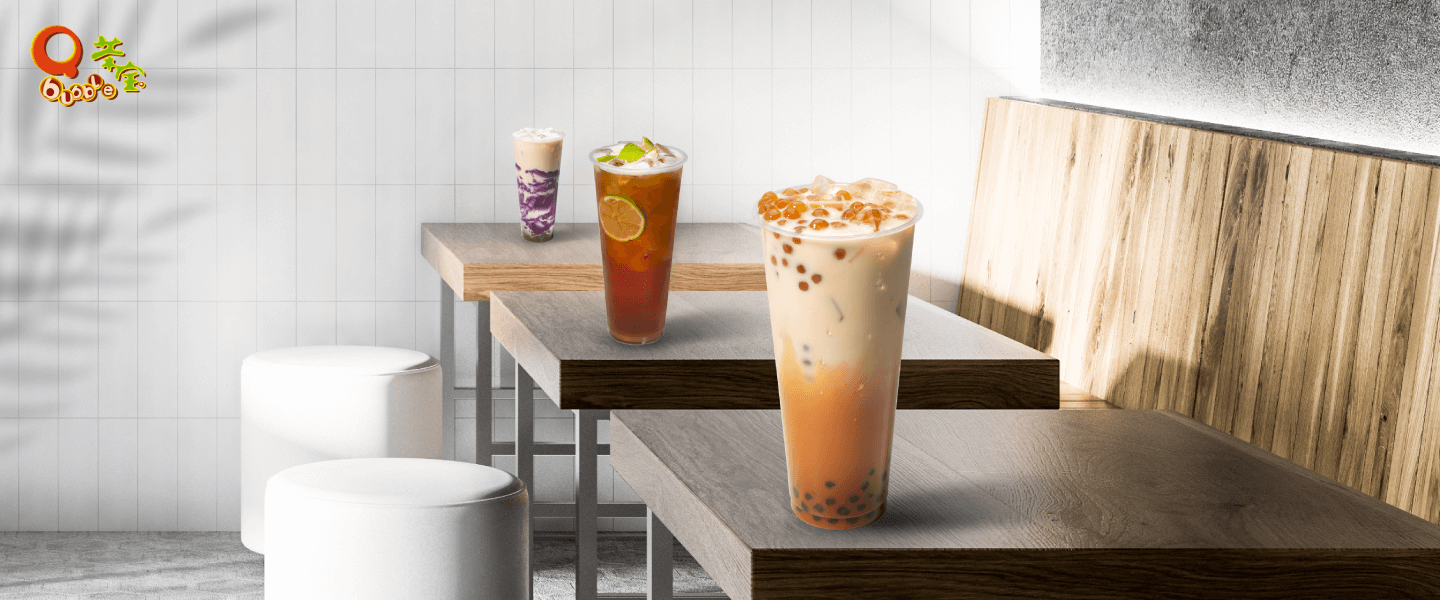
Latest trends, recipe tutorials, ingredient guides & boba business insights.
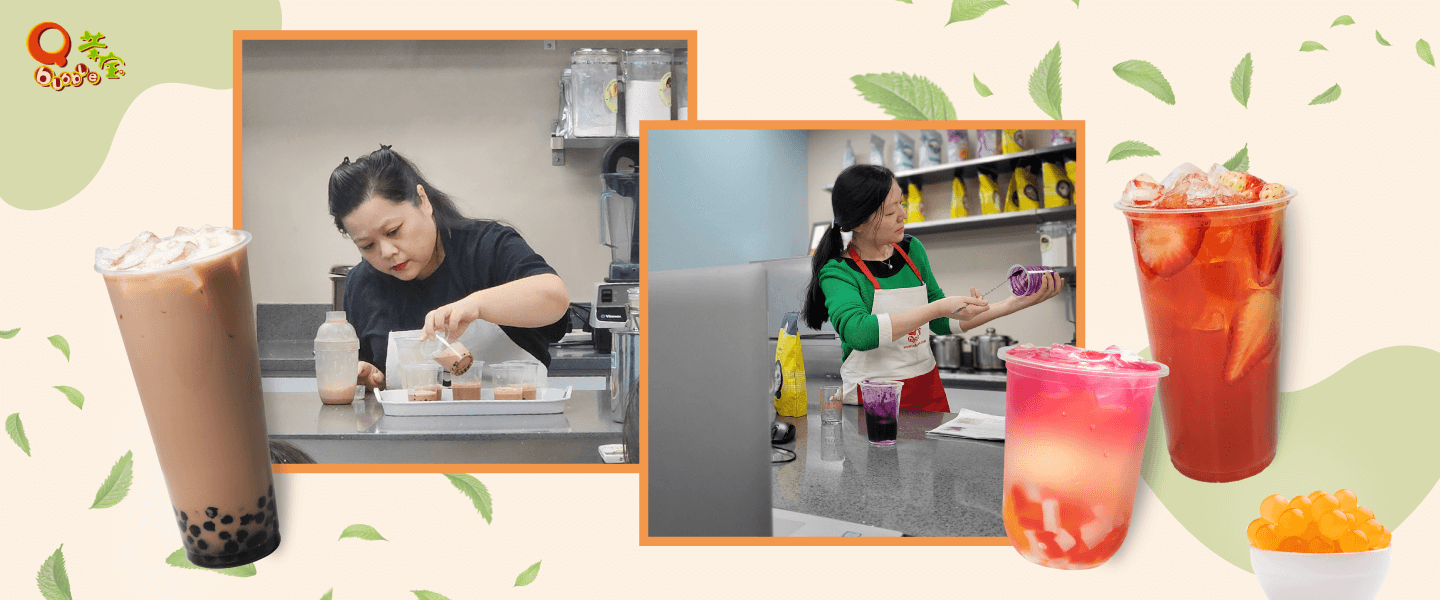
Discover popular recipes and menu strategies to elevate your bubble tea store.
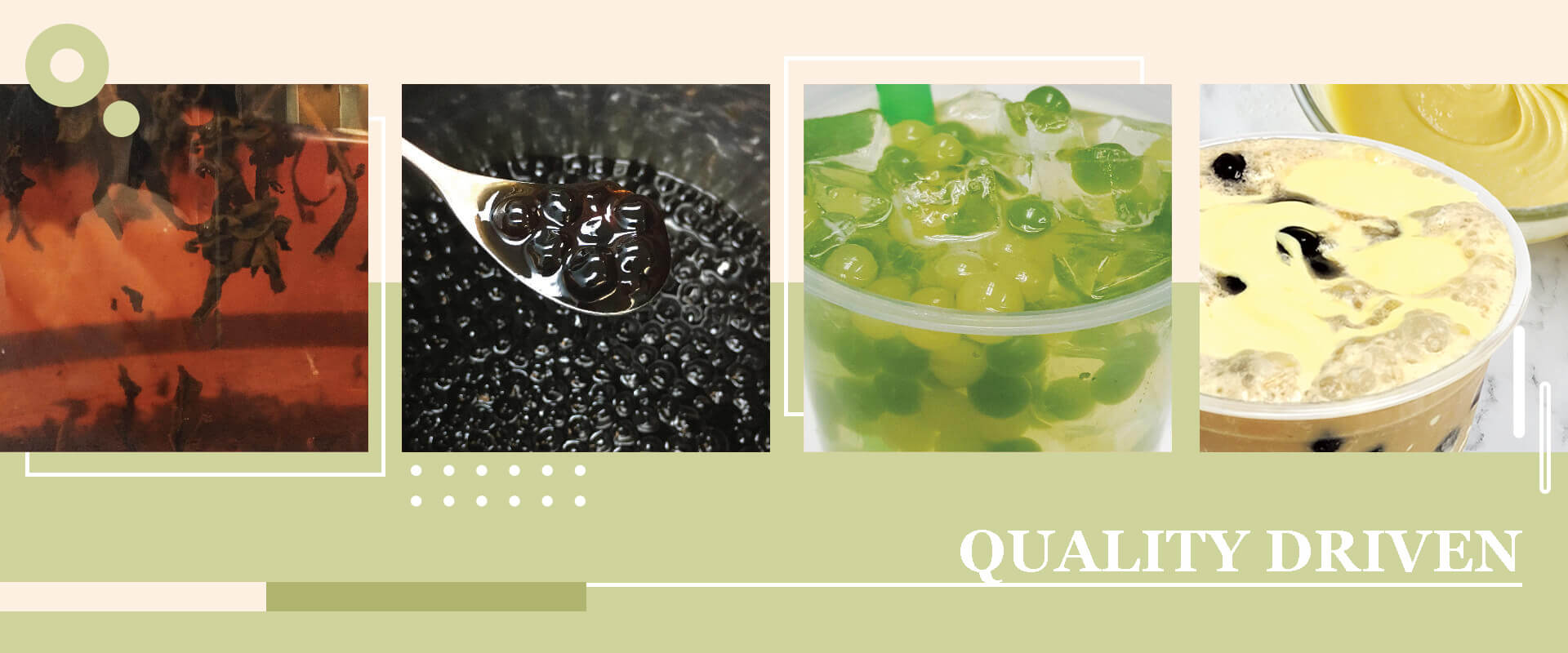
Scale your operational performance with 20+ years of wholesale industry experience.
In recent years, bubble tea has become a global sensation. The demand for high-quality bubble tea products continues to rise. Finding a reliable "Bubble Tea Wholesale Supplier" is essential for business owners looking to meet this demand. Industry expert Michelle Wong states, "Choosing the right supplier can make or break your business."
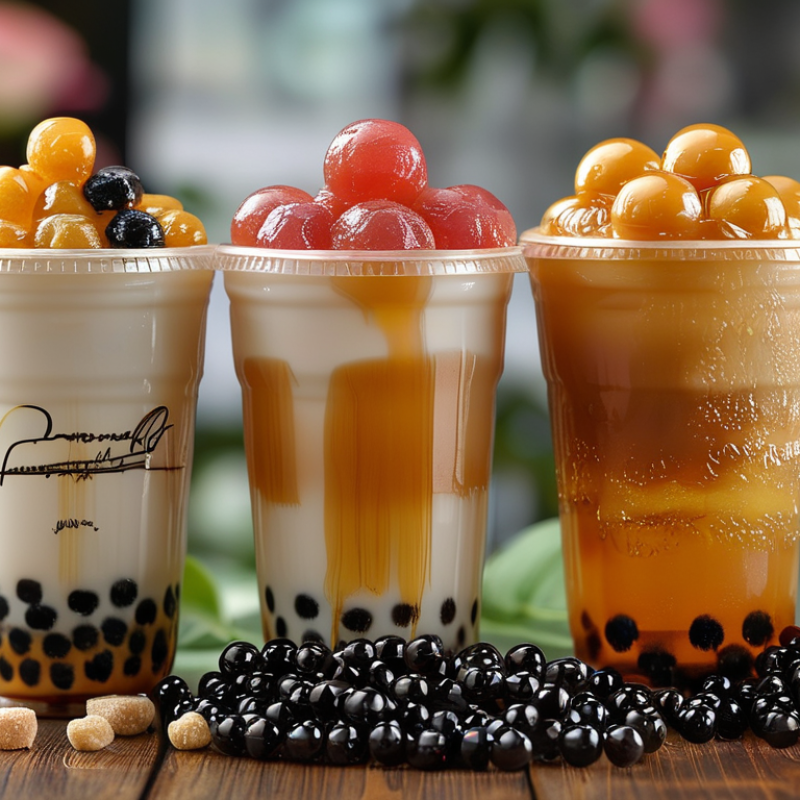
A trustworthy wholesale supplier ensures quality ingredients. They provide a consistent supply of tapioca pearls, tea leaves, and flavoring. Businesses can improve customer satisfaction by sourcing these essential items from reputed suppliers. Authentic flavors and superior quality create memorable experiences for consumers.
However, not all suppliers meet these standards. Some may offer lower prices but compromise on quality. This can lead to customer dissatisfaction and lost profits. It's crucial to evaluate potential suppliers thoroughly. Researching their reputation and reviews is key. Inspecting their product range and quality is equally important. Building a successful bubble tea venture depends heavily on these choices.
The bubble tea market continues to thrive globally, attracting a diverse range of buyers and suppliers. Recent trends highlight an increasing demand for unique flavors and health-conscious options. As consumer preferences evolve, suppliers must innovate while maintaining quality standards. Many seek organic ingredients and natural sweeteners to cater to this trend.
Market analysis reveals the significance of efficient supply chains. A reliable supplier can make or break a business. Efficient logistics, timely deliveries, and quality assurance are critical in choosing the right partner. Evaluating suppliers' backgrounds and certifications can enhance credibility. Many businesses overlook the importance of clear communication. This factor is as vital as product quality.
Pay attention to packaging designs. Eye-catching and environmentally friendly options draw more customers. Trends show that visual appeal influences buying decisions. It's essential to stay updated with these shifts to remain competitive. The pursuit of excellence in product offerings can be a continuous journey, often requiring reassessment of current practices and supplier relationships. Ensure regular feedback loops with suppliers for a smoother collaboration.
When selecting a bubble tea supplier, various factors require attention. Quality translates to flavor, texture, and consistency. A recent industry report shows that 40% of bubble tea consumers prioritize taste above all else. Therefore, sourcing high-quality ingredients is essential. Look for suppliers who can provide fresh tapioca pearls and premium tea leaves. These components significantly affect the final product. Consistency in quality will foster customer loyalty.
Another crucial aspect is supplier reliability. A dependable supplier ensures timely deliveries, allowing businesses to maintain stock without disruption. Data indicates that a 20% delay in supply can lead to a significant revenue loss. Establish a clear communication channel with potential suppliers. Ask about their lead times and order fulfillment processes.
Pricing can also be a decisive factor. While it’s tempting to choose the cheapest option, evaluate the overall value. Compromising on quality may hurt your brand's reputation in the long run. Remember, not all cost-effective solutions yield the desired results. Gathering feedback from current clients about their experiences with suppliers is vital. This approach can reveal insights that statistics alone may not provide.
The bubble tea market has shown remarkable growth in recent years. A report from Statista indicates that the market was valued at over $2 billion in 2022. As more entrepreneurs join this trend, understanding pricing models among suppliers becomes critical. Suppliers often offer varying pricing strategies based on volume, ingredients, and packaging type. Smaller businesses may encounter significantly different pricing quotes, impacting profit margins.
A deeper look into the pricing strategies reveals some complexities. Many suppliers offer tiered pricing systems. For example, a lower per-unit price is common when bulk orders exceed 1,000 units. This tier system can be both beneficial and risky. New entrants often overestimate demand, leading to excess inventory and financial strain. Furthermore, logistics costs vary, especially for international shipments. Such variations can lead to a misalignment between budgeting and actual expenses.
Reliability in sourcing quality products is paramount. Studies have documented that 38% of business failures in the food and beverage sector are due to poor supplier relationships. Sustainable sourcing is trending, but not all suppliers maintain transparency in their pricing models. Buyers should critically evaluate suppliers, ensuring they align with long-term operational goals. Such scrutiny helps mitigate risks associated with overpaying or receiving subpar products.
The bubble tea market has demonstrated impressive growth worldwide. According to a report by Data Bridge Market Research, the bubble tea market is projected to grow at a CAGR of around 7.9% from 2021 to 2028. This growth is largely driven by increasing consumer interest in unique and customizable beverage options. The trend of health and wellness has also impacted this sector, prompting suppliers to offer more healthy ingredients.
North America and Asia-Pacific are leading the bubble tea supplies market. North America accounts for a significant share, thanks to rising demand in urban areas. A research report revealed that in 2020, the North American market was valued at around $600 million. Meanwhile, the Asia-Pacific market thrives on traditional tea culture, which supports a diverse range of flavors and styles. However, competition among suppliers can be intense, affecting pricing strategies and product differentiation.
Challenges still exist in distribution. Many suppliers struggle with consistent quality and availability of raw ingredients. Fluctuations in consumer preferences can make it difficult for suppliers to meet demand adequately. It’s essential for businesses to stay aware of local trends and emerging markets. Knowledge of regional preferences can be a game-changer for effective distribution strategies.
| Supplier Location | Product Offerings | Annual Revenue (Est.) | Market Reach | Shipping Options |
|---|---|---|---|---|
| Asia | Tapioca Pearls, Flavor Syrups, Tea Leaves | $10 Million | Global | Express, Standard, Freight |
| North America | Milk Tea Powder, Tapioca Starch | $15 Million | USA, Canada, Mexico | Express, Ground |
| Europe | Bubble Tea Kits, Flavored Powders | $12 Million | UK, Germany, France | Air, Sea |
| Southeast Asia | Fruit Purees, Jelly Toppings | $8 Million | Thailand, Vietnam, Indonesia | Standard, Freight |
| Oceania | Tea Blends, Sweeteners | $5 Million | Australia, New Zealand | Air, Ground |
| South America | Bubble Tea Powders, Equipment | $4 Million | Brazil, Argentina, Chile | Standard, Express |
| Middle East | Custom Blends, Packaging Solutions | $6 Million | UAE, Saudi Arabia, Israel | Air, Ground |
| East Asia | Instant Boba, Cashless Systems | $20 Million | Japan, South Korea | Express Shipping |
| Africa | Tea Leaves, Servicing Equipment | $3 Million | South Africa, Kenya | Standard |
In the bubble tea industry, quality standards play a pivotal role in selecting suppliers. A recent industry report indicates that nearly 75% of buyers prioritize product quality over price. This trend highlights the necessity for suppliers to maintain high-quality ingredients and consistent production processes. Buyers are increasingly demanding transparency regarding sourcing and adherence to health regulations. The expectation for high standards can drive competition among suppliers, ultimately benefiting consumers.
Factors like certifications also influence supplier choice. For instance, suppliers with ISO certifications demonstrate higher reliability and commitment to quality. Reports suggest that suppliers meeting GMP (Good Manufacturing Practices) receive preference from 68% of global buyers. Such certifications serve as benchmarks, assuring buyers of safety and quality.
Choosing the right supplier is crucial. Look for suppliers who invest in quality assurance systems. Regular audits and safety checks are essential. Ensuring that suppliers can provide detailed product origins and quality metrics is important. Suppliers with a proven track record in adhering to health and safety standards can help mitigate risks in your supply chain. This diligence could help in forming long-lasting partnerships that foster mutual growth.
: The market is seeing increased demand for unique flavors and health-conscious options.
A reliable supplier can significantly affect a business’s success. Timely deliveries and quality assurance matter.
Evaluate suppliers' backgrounds, certifications, and ensure clear communication. Many neglect this critical aspect.
Eye-catching and eco-friendly packaging can significantly influence customer buying decisions.
The market is projected to grow by about 7.9% annually from 2021 to 2028.
North America and Asia-Pacific are the leading regions, with North America showing significant urban demand.
Suppliers often struggle with consistent quality and availability of raw materials, affecting their performance.
They should remain aware of local trends and consumer preferences to adapt their strategies effectively.
Establish regular feedback loops with suppliers to ensure smoother operations and enhance relationships.
The pursuit of excellence requires ongoing evaluation of current practices and supplier partnerships.
The article "Top 10 Bubble Tea Wholesale Suppliers for Global Buyers" provides a comprehensive overview of the current landscape and trends in the bubble tea market. It outlines essential factors to consider when selecting a Bubble Tea Wholesale Supplier, including product quality, pricing models, and distribution capabilities. Understanding these factors is crucial for buyers who want to ensure they partner with reliable suppliers that meet their needs.
Additionally, the article discusses the significant pricing models utilized by leading suppliers and highlights global distribution trends, identifying key markets where bubble tea is gaining popularity. It emphasizes the impact of quality standards on supplier selection, stressing that businesses must prioritize high standards to maintain customer satisfaction and brand reputation in the competitive bubble tea industry.