Latest trends, recipe tutorials, ingredient guides & boba business insights.
Discover popular recipes and menu strategies to elevate your bubble tea store.

Scale your operational performance with 20+ years of wholesale industry experience.
The market for Commercial Tapioca Pearls Wholesale is expanding rapidly. With the rise of bubble tea, demand for high-quality tapioca pearls has surged. Businesses seeking to satisfy customers' cravings must find reliable suppliers. This article highlights top suppliers in China, known for their quality and consistency.
Choosing the right supplier is crucial. Not all tapioca pearls are created equal. Factors such as size, texture, and flavor impact the overall experience. Reliable suppliers maintain strict quality control. They provide pearls that cook evenly and offer the right chewiness. The best suppliers provide transparency about their sourcing and production processes.
However, the journey to find the ideal supplier can be challenging. Some companies may promise high quality but fall short. It's essential to read reviews and ask for samples before committing. Partnering with established suppliers can minimize risks and ensure customer satisfaction. The right choices can lead to success in the competitive bubble tea market.
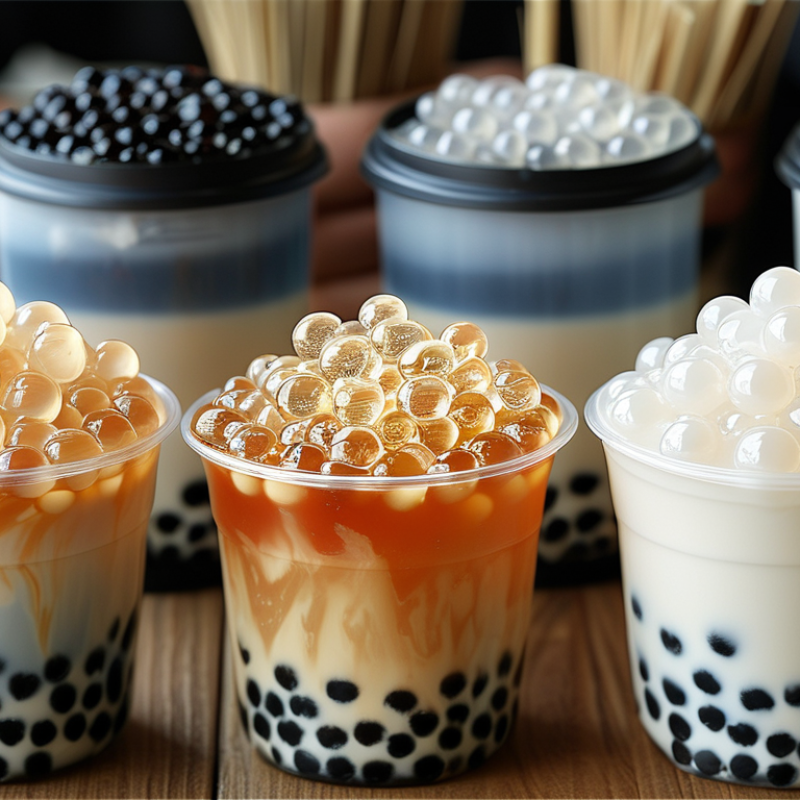
The tapioca pearl industry in China has been on a dynamic growth trajectory. In 2022, the market size reached approximately USD 1.5 billion. This surge is attributed to the rising popularity of bubble tea globally. The global market for tapioca pearls is projected to exceed USD 4.2 billion by 2025. The demand-driven boom is evident in cafes and restaurants worldwide where bubble tea is a staple.
China serves as a significant player in tapioca pearl production. Around 70% of the world's tapioca pearls are produced in this country. The manufacturing processes have become more sophisticated, incorporating technology to improve quality and production efficiency. However, some producers struggle with quality consistency. This compromises the overall market reliability. Key standards for size, shape, and texture still need strict adherence.
While the industry shows great promise, it also faces challenges. There are concerns about fluctuating raw material prices. The demand for cassava, the main ingredient, is susceptible to climate change and market volatility. Sustainability practices are becoming crucial in addressing these issues. Investments in eco-friendly production methods are increasing. Balancing supply chain sustainability while meeting consumer demands remains a pressing concern.
When sourcing tapioca pearls, quality is crucial. The best commercial suppliers in China focus on specific characteristics. First, the size of the pearls should be uniform. Consistent sizes ensure even cooking and a pleasant texture in beverages and desserts. Many suppliers follow strict quality standards to maintain this uniformity. However, not all achieve this level of precision, leading to varying cooking results.
Another key aspect is the tapioca's translucence. High-quality pearls exhibit a glossy appearance, indicating freshness and proper processing. Suppliers may struggle with consistency in this area. Some pearls may appear dull or cloudy, reflecting poor storage or aging. Additionally, suppliers must prioritize the sourcing of premium tapioca starch. This ensures that the finished product meets modern consumer expectations for taste and texture.
Flavor enhancement is also critical. Authentic tapioca pearls should have a subtle sweetness. Supplier variations can affect the final taste. As the demand for innovative flavors grows, not all producers adapt quickly. This inconsistency can impact a brand's reputation in competitive markets. The challenge remains for suppliers to balance quality with affordability while embracing evolving consumer trends.
When exploring the top wholesale suppliers of tapioca pearls in China, it's essential to look at production capacities and profiles. The tapioca pearl market has seen significant growth, with a projected CAGR of 8% from 2021 to 2026. Suppliers in China dominate this sector, leveraging advanced manufacturing methods to keep pace with global demands.
Many suppliers in China boast production capabilities exceeding 500 tons per month, making them key players in the market. However, the consistency in quality remains a challenge. Some suppliers may prioritize volume over quality, leading to varying product standards. This inconsistency can impact brands relying on these pearls for their beverages. Furthermore, while some companies excel in innovation, others lag in adopting modern techniques, reflecting a divide in the industry.
Choosing a supplier requires careful consideration. Buyer feedback is crucial. Reviewing client experiences can reveal insights into a supplier's reliability. Always evaluate their capacity for quality control. Engaging with suppliers may expose potential weaknesses, like fluctuating supply chains or limited variety.
Stay informed and ask questions. Examine production facilities if possible. The goal is to find a supplier with a balance of quality, innovation, and reliability. Seeking genuine partnerships rather than mere transactions can enhance your supply chain in the long run.
| Supplier Location | Production Capacity (tons/month) | Product Quality Certification | Minimum Order Quantity (MOQ) | Export Experience (years) |
|---|---|---|---|---|
| Guangdong | 500 | ISO 9001, HACCP | 200 kg | 10 |
| Zhejiang | 300 | FSSC 22000 | 150 kg | 5 |
| Shanghai | 400 | BRC, Halal | 300 kg | 8 |
| Taiwan | 600 | ISO 22000, FDA | 250 kg | 15 |
| Fujian | 200 | Vegan Certified | 100 kg | 3 |
The tapioca pearl market in China has evolved significantly over the years. With an explosion in demand, prices have seen notable fluctuations. A thorough analysis reveals that pricing is influenced by various factors like raw material costs, production capacity, and market trends. Understanding these can help buyers make informed purchasing decisions.
Current pricing trends suggest that bulk purchasing offers significant savings. While prices for tapioca pearls may vary across regions, generally higher demand translates to increased costs. Seasonal variations and supply chain issues can also affect availability and price stability. Additionally, quality plays a crucial role in pricing—premium products typically cost more.
However, not all suppliers offer the same quality. Buyers should approach potential suppliers cautiously. Verifying supplier credentials and seeking recommendations can mitigate risks. Tracking market trends helps in forecasting future price changes. Pricing analysis reveals that while costs fluctuate, quality and reliability remain paramount in wholesale transactions.
Export regulations significantly affect the tapioca pearl industry in China. As a leading global supplier, China's market is closely monitored by various trade regulations. For instance, the World Trade Organization (WTO) has set standards that impact export practices. Many suppliers must comply with labeling requirements and food safety regulations. These elements can complicate the supply chain.
In recent years, the tapioca pearl segment has shown substantial growth. A report by Global Market Insights indicates that the market is projected to reach USD 4 billion by 2025, with Asia-Pacific being a major contributor. However, navigating export challenges remains crucial. Tariffs can impact pricing, affecting competitiveness. Companies must adapt to varying regulations in key markets like the U.S. and Europe. Some suppliers struggle to keep up with these demands.
Additionally, certification processes can be lengthy and complex. Each market may require different quality assurance measures. Suppliers risk losing clients if they cannot meet these standards promptly. Adapting to changing regulations is imperative for sustained growth. This dynamic landscape requires suppliers to be proactive and informed about trade developments. They must stay abreast of these shifts to maintain their positions in the global market.
: Look for uniform size and translucence, as these affect cooking and texture.
Not all suppliers meet the same standards. This can lead to different cooking results.
Glossy appearances indicate freshness. Dull pearls may reflect poor storage or aging.
Pearls should have subtle sweetness. Variations in flavor can affect brand reputation.
Many suppliers exceed 500 tons per month, but quality consistency can be challenging.
Buyer experiences reveal reliability and help identify potential supplier weaknesses.
Bulk purchases often save money, but quality influences cost significantly.
Some may prioritize volume over quality, leading to inconsistent products.
Track pricing, verify supplier credentials, and engage in discussions with potential partners.
Genuine partnerships enhance supply chains, compared to mere transactional relationships.
The article provides a comprehensive overview of the commercial tapioca pearls wholesale industry in China, highlighting the significant role it plays in the global market. It outlines the key characteristics and quality standards that define high-quality tapioca pearls, essential for suppliers to meet consumer expectations.
Furthermore, the article reviews the top wholesale suppliers in China, detailing their profiles, production capacities, and the competitive pricing trends prevalent in the market. It also discusses the various export and trade regulations that impact these suppliers, emphasizing the necessity for compliance in a growing international market. Overall, the article serves as a valuable resource for understanding the landscape of commercial tapioca pearls wholesale in China.