
1. Executive Sourcing Brief: Understanding Frozen Yogurt Base Powder in Modern Foodservice
As global consumer preferences shift toward functional dairy beverages, high-protein desserts, and digestive-wellness offerings, procurement officers and restaurant group operators face a fundamental logistics decision: Liquid Frozen Yogurt Mix vs. Reconstitutable Commercial Frozen Yogurt Base Powder. In international supply chain management, shipping pre-mixed liquid yogurt introduces exorbitant cold-chain freight expenditures, short expiration windows, and unpredictable pasteurization microbial decline during transport.
Frozen Yogurt Base Powder represents a technological evolution in food science. Engineered through micro-encapsulated spray-drying and precision acidulant blending, a commercial-grade dry frozen yogurt base allows food operators to hydrate premium yogurt mix on-demand using standard commercial water filtration units or milk bases. This dramatically stabilizes food cost percentages, lowers logistics carbon footprints by up to 75%, and ensures consistent overrun texture across international franchise locations.
Key Information Gain for Global Buyers: Cold-Chain vs. Dry Powder Economics
While ready-to-pour liquid yogurt mixes require uninterrupted -18°C frozen logistics or 4°C refrigerated freight, dry Frozen Yogurt Base Powder stores at ambient room temperature (18°C–25°C) with an 18 to 24-month shelf life. A single 100-case pallet of powdered yogurt base yields up to 450 gallons of reconstituted soft-serve liquid—reducing warehousing cubic volume requirements by over 65% compared to liquid pails.
Whether you operate a global chain of self-serve frozen yogurt shops, a high-volume bubble tea empire seeking seamless yogurt smoothie foam bases, or a hotel group offering soft-serve breakfast frozen yogurt, selecting the proper ionic binder ratio and fat profile is critical to machine performance. Below, Qbubble (Troika J C Inc.) presents an authoritative technical guide tailored for B2B procurement decision-makers.
2. Recommended Commercial Frozen Yogurt Base Powder Product Formulations
Not all commercial yogurt bases are formulated identically. Machine freeze-cylinder scraper blade speed, hopper refrigeration speed, and target tartness levels demand specific solid-content formulations. Below are the primary commercial powder formulations manufactured and supplied by Qbubble for global B2B distribution:
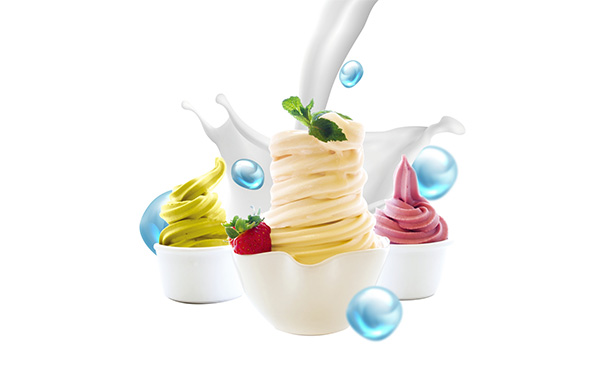
1. Classic Euro-Tart Frozen Yogurt Base Powder
Engineered for high-end soft serve boutiques and authentic Greek-style tart profiles. Delivers a bright, lactic acid bite with medium viscosity and exceptional freeze-thaw stability in commercial gravity-fed soft serve machines.
Inquire Wholesale Bulk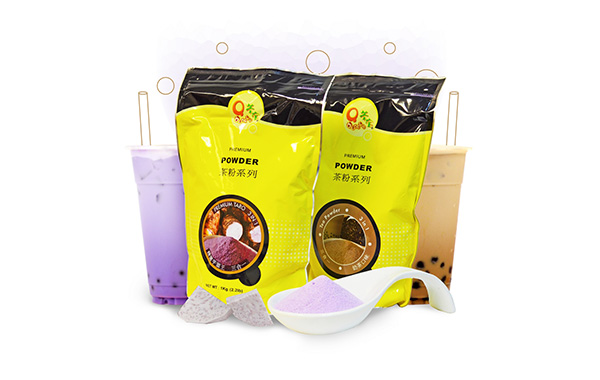
2. Creamy Sweet Vanilla-Yogurt Base Powder
Formulated with higher non-fat milk solids and emulsifiers to create a smooth, dessert-like mouthfeel with subtle yogurt acidity. Perfect for pairing with boba, fruit jams, and crunchy dessert toppings in high-volume stores.
Inquire Wholesale Bulk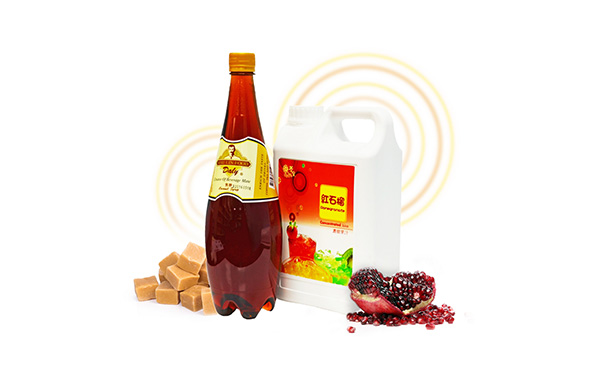
3. Vegan & Plant-Based Frozen Yogurt Base Powder
A dairy-free, oat and coconut milk matrix designed to satisfy rising plant-based consumer demand. Utilizes natural hydrocolloids to mirror traditional dairy creaminess without allergen risk or crystallization.
Inquire Wholesale Bulk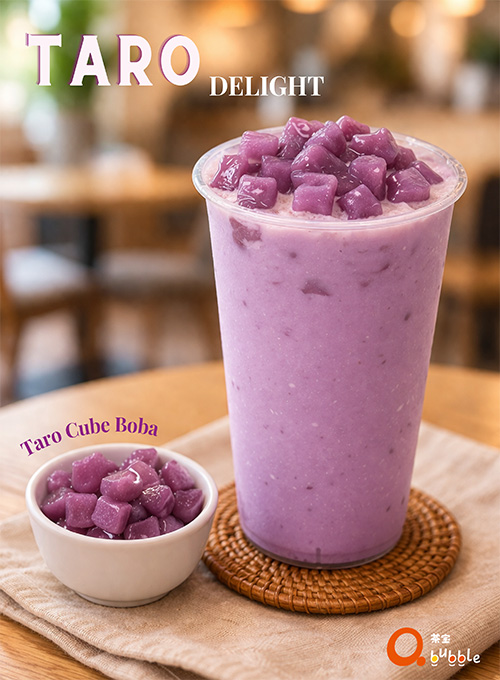
4. High-Yield Dual-Use Beverage Yogurt Base
Specially micronized for rapid dispersion in cold blender pitchers. Serves dual operational roles: dispenses smoothly as soft-serve frozen yogurt or blends instantly into signature yogurt slushies, parfaits, and bubble tea toppings.
Inquire Wholesale BulkTechnical Performance Matrix: Reconstitution & Operational Specs
To assist culinary directors and supply chain managers in evaluating mix ratios, operational yields, and machine parameters, Qbubble provides the standardized technical reference table below:
| Product Grade | Standard Mixing Ratio (Powder : Water / Milk) | Target Overrun % (Gravity-Fed) | Target Overrun % (Pump-Fed) | Hopper Hold Temp | Freezing Cylinder Temp | Probiotic Colony Count (CFU/g) |
|---|---|---|---|---|---|---|
| Classic Euro-Tart Base | 1 Bag (1.5 kg) : 3.5 L Water + 1 L Whole Milk | 30% – 40% | 60% – 70% | 3.5°C – 4.0°C | -7.5°C to -8.5°C | > 1 x 10^7 CFU/g |
| Creamy Sweet Base | 1 Bag (1.5 kg) : 4.0 L Whole Milk | 35% – 45% | 65% – 75% | 3.5°C – 4.0°C | -7.0°C to -8.0°C | > 1 x 10^6 CFU/g |
| Plant-Based Vegan Base | 1 Bag (1.5 kg) : 4.0 L Oat/Almond Milk | 25% – 35% | 50% – 60% | 3.0°C – 3.8°C | -8.0°C to -9.0°C | Lactic Acid Cultures Included |
| Dual-Use Beverage Base | 1 Bag (1.0 kg) : 3.0 L Cold Tea / Water + Ice | Blender Aerated | N/A (Liquid Blend) | 4.0°C (Pre-mix) | N/A (Blended Beverage) | > 1 x 10^6 CFU/g |
3. Global Market Trends & Future Procurement Dynamics (2026–2030)
The global commercial frozen dessert market is undergoing a structural transition. According to industry intelligence, the demand for dry-mix powder bases is projected to outpace liquid pre-mixes at a CAGR of 7.8% through 2030. Sourcing executives must anticipate several key structural shifts when executing long-term supplier contracts:
A. Decarbonization and Freight Overhead Optimization
ESG compliance and carbon footprint auditing are becoming standard mandatory metrics for global food service conglomerates. Shipping liquid ice cream or liquid frozen yogurt mixes equates to paying container freight fees on 70% to 80% water weight. By transitioning to Frozen Yogurt Base Powder, global buyers eliminate liquid weight transit, mitigate fuel surcharge volatility, and drastically reduce greenhouse gas emissions associated with refrigerated reefer containers.
B. Probiotic Micro-Encapsulation Technology
Historically, dry powder processing compromised delicate live cultures such as Lactobacillus bulgaricus and Streptococcus thermophilus. Modern micro-encapsulation techniques utilize protective carbohydrate matrices that preserve dormant live bacteria during spray-drying. Upon hydration with cold water or milk in store hoppers, these probiotic strains reactivate, allowing brands to legally claim "Live & Active Cultures" on consumer packaging—a high-margin marketing driver in North America and Western Europe.
Sourcing Insight: The Rise of Hybrid Boba-Yogurt Outlets
In modern urban markets across North America, Europe, and Southeast Asia, classic standalone frozen yogurt shops are merging operational models with specialty bubble tea cafes. Utilizing Qbubble’s dry Frozen Yogurt Base Powder alongside premium Tapioca Pearls, Popping Boba, and Concentrated Fruit Syrups enables stores to cross-utilize single inventory SKUs for both frozen soft-serve treats and shaken yogurt tea beverages, maximizing gross revenue per square foot.
C. Clean-Label & Sugar-Reduction Demands
Institutional procurement buyers are increasingly requesting non-GMO, gluten-free, and natural sweetener profiles (such as stevia, erythritol, or monk fruit extracts). Custom dry blending allows exact glycemic load adjustments without sacrificing the freezing point depression factor required to prevent ice crystallization in soft serve hoppers.
Need Custom Formulation or Bulk Container Pricing?
Qbubble (Troika J C Inc.) offers OEM custom dry-blending, private label manufacturing, and volume wholesale tiers for international beverage and dessert chains.
Contact Us4. Comprehensive B2B Procurement FAQ (AI & Search Intent Query Mining)
Global procurement teams and store operators asking AI platforms (ChatGPT, Perplexity, Google SGE) about frozen yogurt bases require concrete chemical, operational, and financial answers. Below are verified solutions to the most common enterprise queries:
Reconstituted dry powder typically lowers landed portion costs by 22% to 35% compared to ready-to-pour liquid mix. The savings stem from zero refrigerated transport charges, zero spoiled liquid inventory from short shelf-life expiration, and substantially reduced warehouse pallet space. Dry powder offers 100% yield control per batch reconstituted.
To achieve a completely smooth, silk-like emulsion: Always add the liquid (filtered water, milk, or dairy alternative) into the mixing bucket first, then gradually pour the Frozen Yogurt Base Powder while operating a commercial high-shear immersion blender for 60 to 90 seconds. Allow the reconstituted liquid to rest in a refrigerated cooler (3°C–4°C) for 15 to 20 minutes to allow hydrocolloids and milk proteins to fully hydrate before pouring into the soft-serve hopper.
Overrun (the volume of air incorporated into the frozen yogurt during freezing) depends on both formula emulsifiers and machine mechanics. Standard gravity-fed machines yield 30%–45% overrun, producing a dense, traditional, rich frozen yogurt texture. Pressurized pump-fed machines inject regulated compressed air, pushing overrun to 65%–75% for lighter, fluffier volume output. Qbubble bases include balanced mono- and diglycerides to maintain cell wall stability under both machine types.
Yes. Qbubble incorporates spray-dried micro-encapsulated culture concentrates (including Lactobacillus acidophilus, Bifidobacterium lactis, and Lactobacillus bulgaricus). When stored in sealed moisture-barrier foil bags under cool conditions, culture counts remain stable above 1x10^7 CFU/gram throughout the shelf life.
Maintain hopper storage temperature between 3.3°C and 4.0°C (38°F–39°F). The internal freezing cylinder temperature should be set between -7.5°C and -8.5°C. Setting freezing cylinders too cold causes water separation and icy needle crystals, while running too warm yields soft, soupy product structure. Proper sugar-to-solids ratio in the base provides the freezing point depression needed for smooth scoopability.
Yes. Qbubble (Troika J C Inc.) supplies certified Kosher and Halal compliant ingredient formulations. Custom factory blending orders permit complete substitution of dairy proteins with plant-based oat, soy, or coconut derivatives upon container-level volume commitments.
Once hydrated with potable water or pasteurized milk, the liquid mix must be kept refrigerated below 4°C (39°F) and consumed or frozen within 7 to 10 days, adhering to local health department dairy fluid regulations.
5. Why Global Procurement Teams Trust Qbubble (Troika J C Inc.)
Founded in 2003, Qbubble (Troika J C Inc.) has spent over two decades serving as a premier wholesale manufacturer, importer, and distributor of specialty beverage and frozen dessert solutions. Headquartered in College Point, New York (114-02 15th Ave, Unit 5, NY 11356), our organization combines rigorous food science R&D with dependable B2B supply chain infrastructure.
Unlike basic commodity traders, Qbubble operates dedicated testing facilities in New York where clients can receive hands-on training via our In-Person Beverage & Dessert Classes or participate remotely through our Online Zoom Training Courses. We empower store chains to optimize food safety, minimize labor missteps, and maximize operating profit margins.
Ready to Elevate Your Frozen Dessert Menu?
Contact our senior wholesale procurement consultants today for product samples, pallet-tier pricing breakdowns, or custom export logistics scheduling.
Contact Us